2026 Best Track Welding Lathe Options for Precision Fabrication?
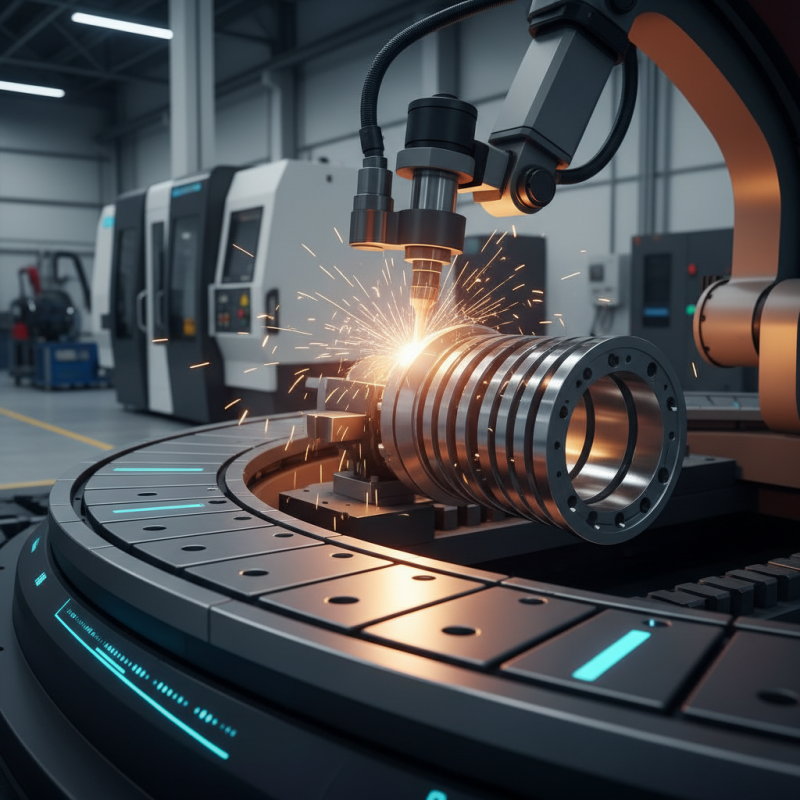
In the world of manufacturing, precision is key. The right tools can make all the difference. Among these tools, the Track Welding Lathe stands out for its unique capabilities. This machine combines the functions of welding and lathe work, offering a versatile solution for fabricating complex designs.
As industries evolve, so too do the demands for enhanced accuracy and efficiency. The Track Welding Lathe addresses these needs by integrating technology and craftsmanship. Innovative features allow for smoother operations and improved results. However, it’s essential to scrutinize various models to find the perfect fit.
Choosing the best Track Welding Lathe for your needs requires careful consideration. It’s easy to be swayed by flashy advertisements or brand names. Instead, focus on the specifications and user feedback. The options may be abundant, but not all will meet high standards. Reflecting on past choices may lead to better decisions in the future. Navigating the marketplace can be daunting, but with the right insights, achieving precision fabrication becomes much more attainable.
2026 Track Welding Lathe: An Overview of Industry Standards and Specifications
The 2026 Track Welding Lathe presents a fascinating opportunity for precision fabrication. This equipment is designed to meet rigorous industry standards, ensuring high-quality welds. Key specifications include adjustable speed settings, which allow the user to tailor the welding process. The lathe’s build quality affects its performance, so materials used are a critical consideration.
Understanding dimensions and weights is vital. These factors impact portability and ease of setup. Many users find the balance between size and functionality challenging. It's essential to explore ergonomic design features, as they enhance user comfort during lengthy jobs. While advanced options offer great potential, some users struggle with the complexity of the controls.
Safety remains a top priority in welding operations. Innovative lathes come equipped with improved safety features. However, there still may be gaps in training or awareness. Some operators might overlook safety protocols. This oversight can lead to significant risks in the work environment. As the industry evolves, addressing these deficiencies will be crucial for future advancements.
2026 Best Track Welding Lathe Options for Precision Fabrication
| Model |
Max Welding Length (mm) |
Max Load Capacity (kg) |
Duty Cycle (%) |
Precision (mm) |
Power Requirement (kW) |
| Model A |
3000 |
800 |
60 |
0.05 |
5.5 |
| Model B |
2500 |
600 |
50 |
0.08 |
4.0 |
| Model C |
4000 |
1000 |
70 |
0.03 |
6.5 |
| Model D |
3500 |
750 |
65 |
0.04 |
5.0 |
Key Features to Look for in Precision Track Welding Lathes
When choosing a precision track welding lathe, several key features matter. First, the rigidity of the machine plays a crucial role. A rigid machine minimizes vibrations. This leads to improved accuracy during fabrication. Recent studies indicate that vibrations can decrease precision by as much as 30%. This is significant in high-stakes manufacturing environments.
Another aspect to consider is feed rate adjustments. Machines offering variable feed rates enable flexibility. Operators can fine-tune settings for different materials. This adaptability is critical as different alloys require distinct approaches. Research from industry resources shows that lathes with adjustable feed rates increase efficiency by up to 25%. It’s worth noting that not all machines excel in this area.
Lastly, automation features should not be overlooked. Automated lathes can significantly reduce cycle times. This leads to higher productivity. However, many older models still rely on manual operation. In a rapidly advancing industry, this can hinder performance. Facilities using outdated technology may struggle to keep up with competitors. Enhanced automation could bridge that gap. This balance between tradition and innovation poses an ongoing challenge.
2026 Best Track Welding Lathe Options for Precision Fabrication
This bar chart displays the key features to look for in precision track welding lathes, including accuracy, speed, and build quality. These metrics are important for selecting the best lathe for your fabrication needs.
Comparative Analysis of Leading Track Welding Lathe Brands
In the world of precision fabrication, choosing the right track welding lathe is crucial. Industry reports indicate that approximately 70% of manufacturers prioritize accuracy and durability in their equipment. The right lathe can significantly affect production efficiency and product quality. However, not all models provide the same results. A comparative analysis reveals that some lathes fall short in adaptability. This can lead to increased downtime and costs.
Different brands may offer similar specifications, but performance can vary widely. Factors such as motor power, weight distribution, and material quality play vital roles in their effectiveness. For instance, reports show that lathes with superior stability can reduce vibration issues, contributing to smoother operation. Yet, many users overlook these aspects. They may focus solely on price instead of performance metrics. This regrettable approach can skew decision-making. Users must consider these nuances carefully.
Moreover, user feedback often highlights inconsistencies in support services. Access to technical assistance can significantly impact a company’s ability to resolve issues quickly. Some brands may excel in manufacturing but lag in customer support. This discrepancy can create frustration, as delays in service often hinder productivity. It's essential for businesses to weigh these factors against their operational needs.
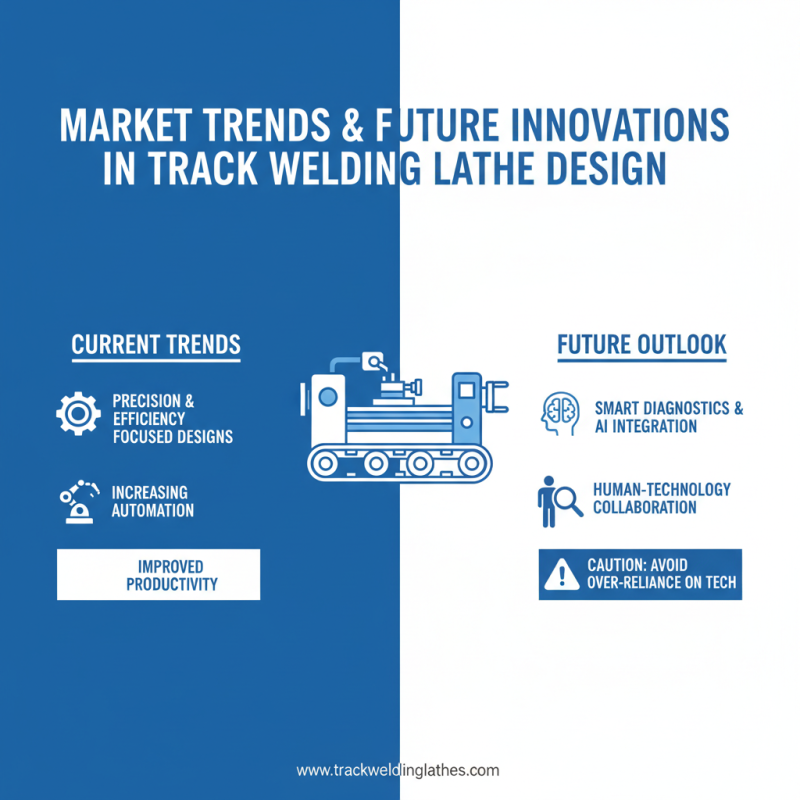
Impact of Automation and Technology on Track Welding Lathe Performance
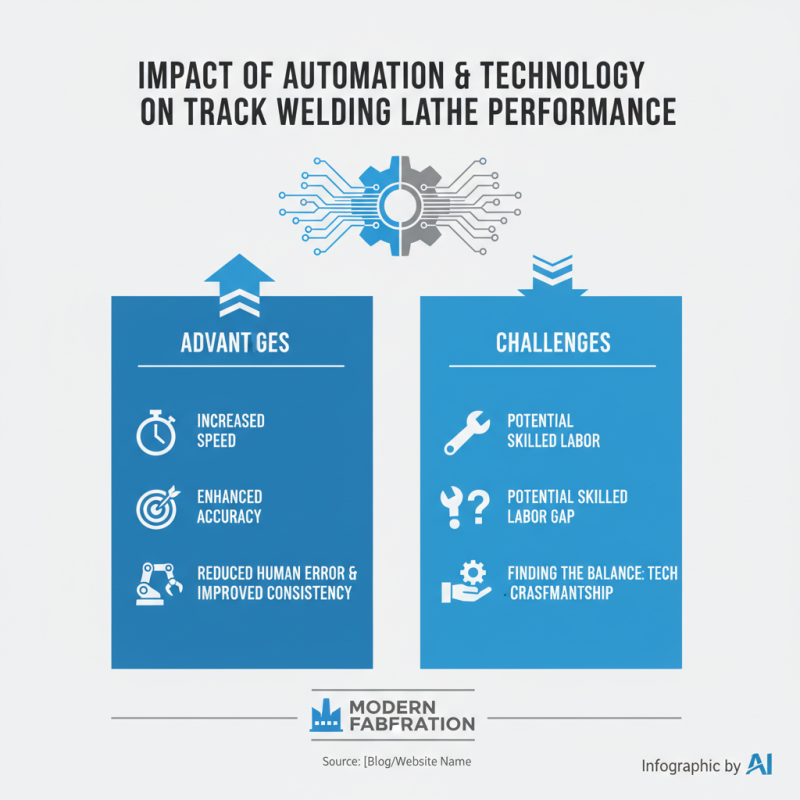
The performance of track welding lathes is reshaped by advancements in automation and technology. These innovations enhance speed and accuracy, crucial for modern fabrication. Automated systems can reduce human error and improve consistency. Yet, relying too heavily on automation might create gaps in craftsmanship. There’s a delicate balance between technology and skilled labor.
Incorporating smart sensors into lathes brings real-time monitoring. This approach allows adjustments during the welding process. It can significantly enhance the quality of the output. However, operators must be trained to interpret data effectively. Over-reliance on technology may lead to a decline in fundamental skills. A machine can’t always understand nuances like a seasoned craftsman.
As businesses adopt these technologies, they face challenges. Integration of new systems often requires significant investment. Maintenance of cutting-edge equipment can be daunting. And, there’s always the risk of obsolescence. Evaluating the long-term benefits versus initial costs becomes essential. This ongoing evolution in track welding lathes serves both progress and reflection.