2026 Top Swing Welding Lathe Innovations and Technologies?
The field of welding technology continues to evolve rapidly, and the Swing Welding Lathe is at the forefront of this innovation. This machine enhances precision and efficiency in welding operations. With advancements in automation and material handling, the Swing Welding Lathe has transformed how industries approach fabrication.
In 2026, we will see several groundbreaking innovations. These improvements may include enhanced user interfaces and improved safety features. For instance, wireless control systems could make operations more intuitive. There is also a focus on energy efficiency. However, the challenge remains in the integration of new technologies with existing systems. Often, manufacturers struggle to adapt to these shifts.
As we delve into these advancements, it’s crucial to remain critical and reflective. While the Swing Welding Lathe promises efficiency and speed, issues of reliability and maintenance cannot be overlooked. Balancing innovation with practical usability will define the future of welding technology.
Advancements in Swing Welding Lathe Design for 2026
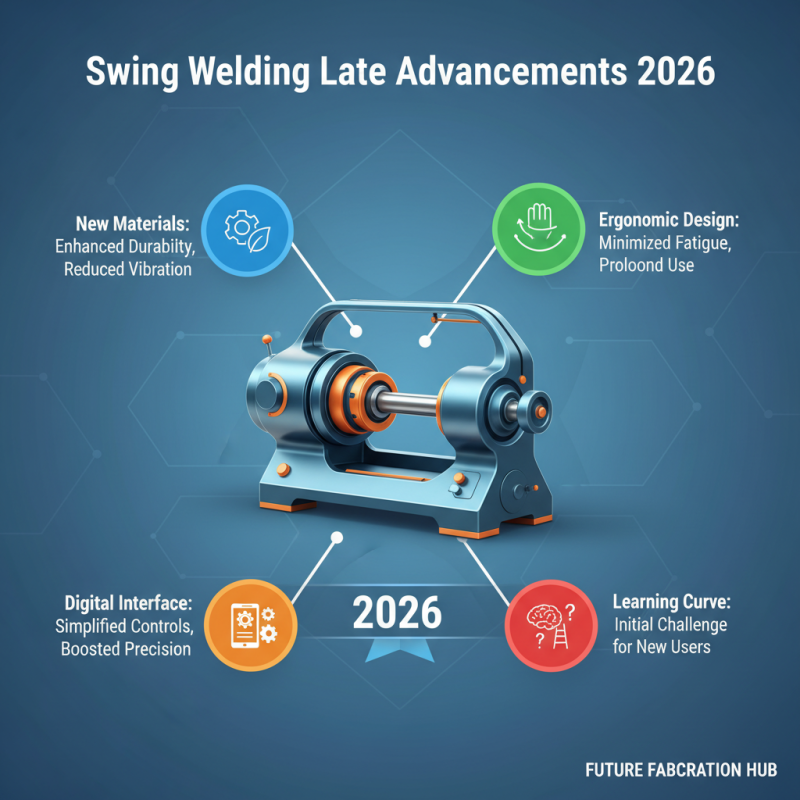
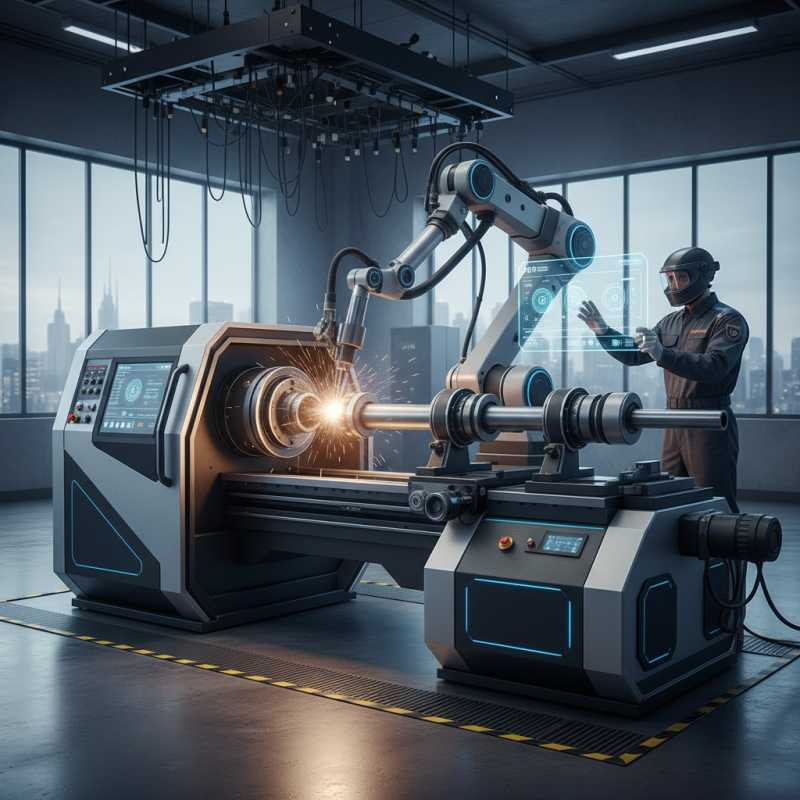
The advancements in swing welding lathe design for 2026 bring a range of exciting possibilities. New materials are being introduced, enhancing durability and reducing vibrations during operation. Users can expect more ergonomic designs that minimize fatigue, allowing for prolonged use. The integration of digital interfaces simplifies controls and boosts precision. However, the learning curve for new users may pose challenges.
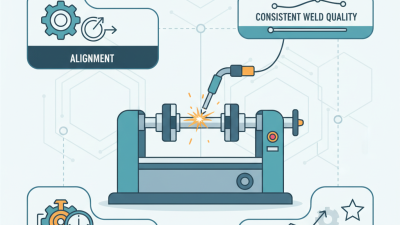
Innovative features like auto-calibration will allow for consistent results, which is crucial for high-stakes projects. Additionally, energy-efficient motors will reduce operational costs and environmental impact. Yet, these advancements might lead to higher upfront costs, requiring careful budgeting. Users must weigh the benefits against the investment required.
Safety remains a priority. Enhanced guarding systems and better operator training tools are essential. As technology evolves, the need for stringent safety protocols becomes clearer. There’s always room for improvement in terms of user feedback mechanisms. As these designs come to life, ongoing dialogue between manufacturers and users is crucial.
Emerging Technologies in Welding Automation for Swing Lathes
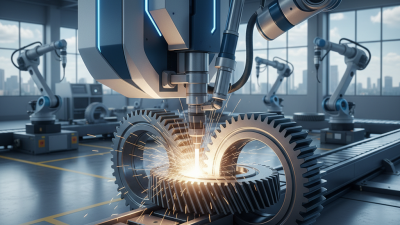
The landscape of welding automation for swing lathes is changing. Innovations are driving efficiency and precision. Reports indicate that by 2026, 35% of welding processes could be automated. This shift is fueled by technological advancements. Robotic arms are becoming more common in workshops. These devices reduce human error and enhance speed.
Sensors and AI integration are essential. They monitor weld quality in real-time. This data can significantly decrease defects, with studies showing defect rates dropping by up to 40%. Such improvements can lead to better overall productivity in manufacturing. However, the industry faces challenges. Not all workers are trained to use these advanced systems. Bridging this skills gap is crucial for success.
Moreover, the costs of perfecting these systems can be high. Companies must weigh the benefits against initial investments. There is still room for human skill in welding, particularly in complex tasks. Balancing technology with traditional skills is vital for future success in this field. As the industry evolves, it must navigate these complexities carefully.
2026 Top Swing Welding Lathe Innovations and Technologies
| Innovation/Technology |
Description |
Key Features |
Efficiency Improvement (%) |
| Automated Welding Positioning |
Enhances accuracy in weld positioning using robotic technology. |
Precision Adjustment, Reduced Manual Labor |
30% |
| Machine Learning for Weld Quality |
Utilizes machine learning algorithms to predict and enhance weld quality. |
Adaptive Learning, Real-time Adjustments |
25% |
| Advanced Welding Materials |
New composite materials that enhance strength and reduce weight. |
High Strength-to-Weight Ratio, Corrosion Resistance |
15% |
| Internet of Things (IoT) Integration |
Connected devices allowing for real-time monitoring and diagnostics. |
Remote Monitoring, Predictive Maintenance |
20% |
| Energy Efficient Technologies |
Technologies aimed at reducing energy consumption during welding. |
Reduced Power Consumption, Lower Operating Costs |
40% |
Impact of Smart Manufacturing on Swing Welding Lathe Efficiency
Smart manufacturing is reshaping the landscape of swing welding lathes. Efficiency is a primary goal for manufacturers. Recent studies indicate that smart technologies can enhance operational efficiency by up to 30%. This improvement stems from the integration of IoT devices and real-time data analytics. These advancements help monitor performance and predict maintenance needs, reducing downtime.
Tips: Regularly update software for optimal performance.
Despite these gains, challenges remain. Many manufacturers struggle with initial implementation costs. Transitioning to smart systems may require extensive training. Data security is also a concern. Recent reports highlight that over 60% of manufacturers face cybersecurity threats related to smart technologies.
Tips: Conduct regular security audits to protect data.
Additionally, while smart systems improve precision, they can be overly complex. Some operators may find the technology intimidating. This complexity can hinder employee productivity, despite the promised benefits. Manufacturers need to invest in both technology and training to ensure staff effectiveness. Balancing innovation with user-friendliness is essential for maximizing the potential of swing welding lathes.
Impact of Smart Manufacturing on Swing Welding Lathe Efficiency (2026)
Innovative Materials Enhancing Swing Welding Lathe Performance
The swing welding lathe market is evolving rapidly. Innovative materials play a crucial role in enhancing performance. Lightweight composites and high-strength alloys are now common. These materials help reduce weight while maintaining strength. Reports indicate that incorporating advanced materials can improve efficiency by up to 30%. This change can significantly enhance productivity.
Manufacturers face challenges when adapting to these innovations. Transitioning to new materials requires thorough testing. Not all companies are ready, and some may need to invest heavily in infrastructure. The learning curve can be steep. However, benefits like increased durability and reduced maintenance costs often outweigh initial difficulties.
Tips: Consider pilot programs when testing new materials. Start with smaller projects. This approach can minimize risks. Engage with experts in material sciences for optimal results. Constant adaptation is crucial for staying competitive in the market. Remember, innovation is a journey, not a destination.
Future Trends in CNC Control Systems for Welding Lathes
The future trends in CNC control systems for welding lathes indicate a significant evolution in technology. As automation increases, real-time data analytics becomes crucial. Reports show that by 2026, over 70% of welding lathe operations will leverage advanced CNC systems. These systems will improve precision and reduce human error.
With the rise of IoT devices, welding lathes will communicate more effectively. This allows operators to monitor performance remotely. Data analytics can predict maintenance needs, reducing downtime. However, integrating these systems poses challenges. Many facilities lack the necessary infrastructure to support such innovations.
Tips: Consider upgrading your existing systems step-by-step. Start with basic IoT integrations before moving to advanced CNC controls. Training staff on new technologies is vital, but it’s often overlooked. Keeping up with fast-paced innovations can be daunting, but small changes can lead to significant improvements. Embrace feedback and refine processes as needed.