2026 Top Mig Welding Machine Trends Buyers Should Know?
As the welding industry evolves, so do the technologies that power it. Understanding the trends in Mig Welding Machines for 2026 is essential for both buyers and professionals. According to welding expert John Smith, "Innovation in welding technology not only improves efficiency but also enhances the quality of work."
The landscape for Mig Welding Machines is changing rapidly. Manufacturers are focusing on automation, portability, and energy efficiency. New features are emerging, making these machines more versatile. Buyers must remain informed to make the best choices.
It's also important to consider the common challenges with Mig Welding Machines. Some units may not perform as expected, leading to frustration. Buyers should research thoroughly, comparing different models and reading reliable reviews. Understanding both strengths and weaknesses in the market will ensure a sound investment.
Emerging Technologies in MIG Welding Machines for 2026
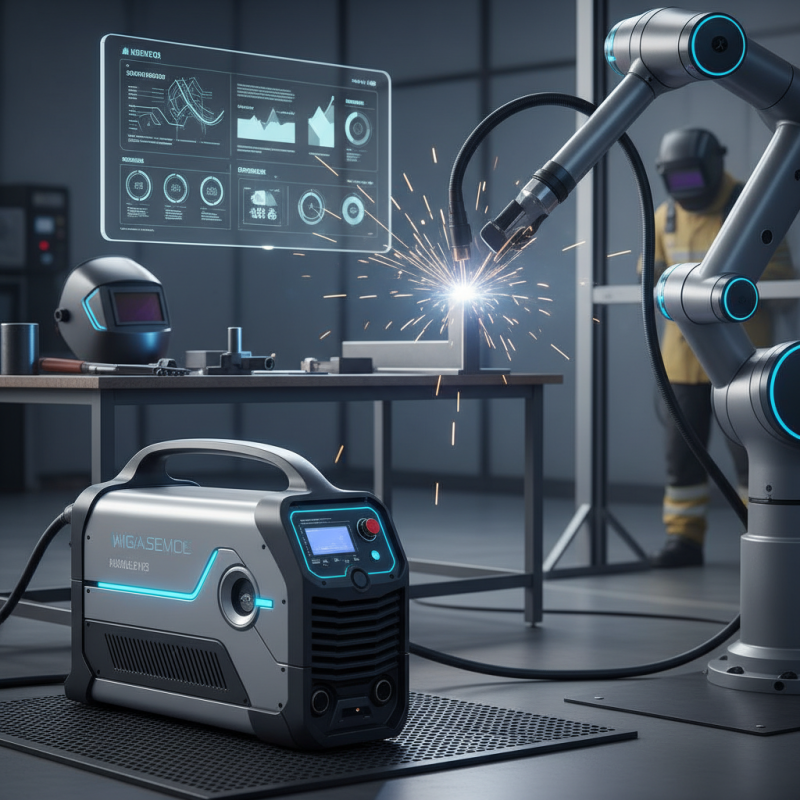
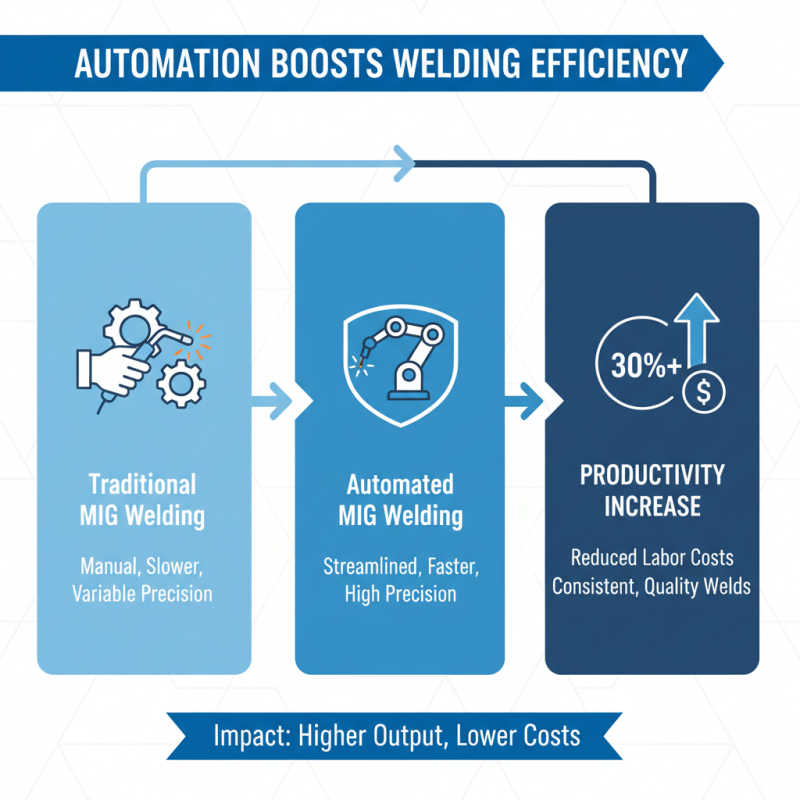
As we approach 2026, emerging technologies are reshaping MIG welding machines. Smart welding systems increasingly leverage artificial intelligence to enhance precision. These machines can adjust parameters in real time, reducing errors and increasing efficiency in welding tasks.
Another trend is the integration of lightweight materials. Various manufacturers are exploring advanced composites, making machines more portable. This change caters to the needs of freelancers and smaller workshops. They often require mobility without sacrificing performance. Adoption of these materials may present challenges, such as cost and durability concerns.
Moreover, advancements in user interfaces are on the rise. Touchscreen controls with intuitive navigation are becoming standard. This shift aims to improve user experience and reduce the learning curve. However, the reliability of such technology can be questionable in harsh environments. The welding industry must find a balance between innovation and practical usability. Each of these trends presents opportunities and challenges that buyers should consider carefully.
Key Features to Look for in 2026 MIG Welding Equipment
When looking for MIG welding equipment in 2026, focus on crucial features that enhance performance. A reliable wire feed system is essential. This ensures smooth wire feeding, reducing the risk of burnbacks. Look for machines with adjustable feed speed. It allows for precise settings based on the material thickness. This granularity can greatly affect weld quality.
Another important feature is the duty cycle. A higher duty cycle means longer operation time without overheating. Many machines offer 60% or higher ratings. This is practical for extensive projects. Portability is also key. Lightweight models with easy-to-carry designs enable better mobility on job sites. Ensure the welding machine has a robust built, too. It should withstand harsh conditions while maintaining effective performance.
Lastly, consider user-friendly interfaces. A clear control panel makes adjustments simpler. Digital displays provide real-time feedback, which helps in monitoring settings. Some models may lack intuitive controls, which can frustrate users. Investing in ergonomic designs can prevent strain during prolonged use. Your comfort directly impacts productivity. Making a well-informed choice involves weighing these features for your unique needs.
2026 MIG Welding Equipment Trends
Market Demand Trends for MIG Welding Machines in 2026
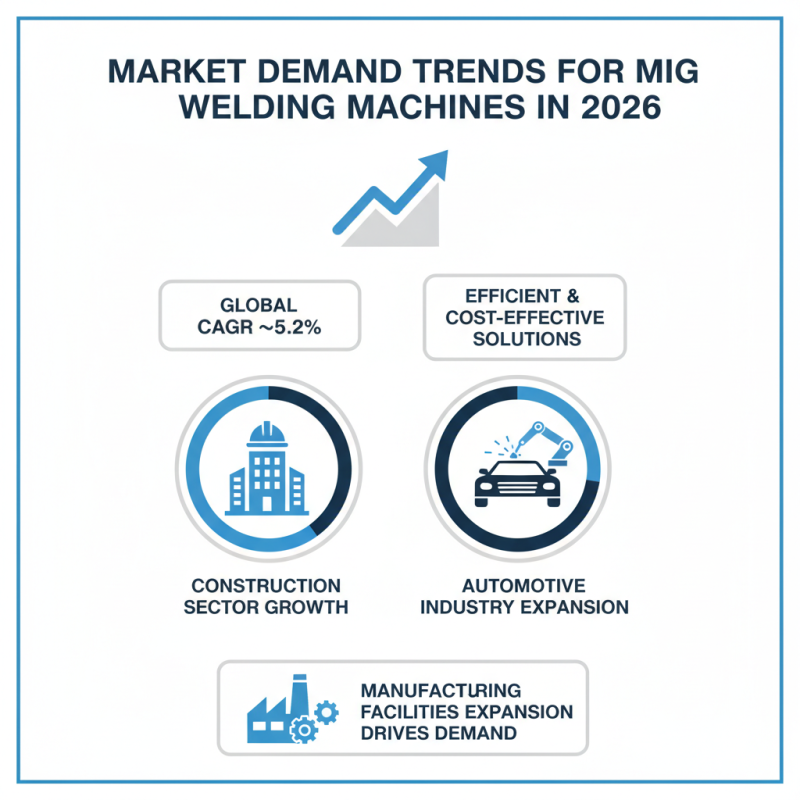
As we approach 2026, the demand for MIG welding machines is expected to evolve significantly. Industry reports suggest that the global MIG welding machine market will experience a compound annual growth rate (CAGR) of around 5.2%. This growth reflects the increasing need for efficient and cost-effective welding solutions in various sectors, including construction and automotive. The expansion of manufacturing facilities will also contribute to this upward trend.
One interesting trend is the demand for more portable and user-friendly MIG welding machines. Smaller, lightweight models are gaining traction among hobbyists and small businesses. This shift indicates a wider audience that engages in metal fabrication projects. Moreover, advancements in inverter technology are enhancing power efficiency, making these machines more reliable. However, the transition to smart welding machines with integrated IoT capabilities may pose challenges. The integration of complex technology often lacks standardization, which can affect compatibility.
In terms of regional demand, North America and Asia-Pacific lead the market. However, countries in Africa and South America show rising interest. The skilled labor shortage raises questions about automation in welding processes. Manufacturers may need to rethink how training programs can keep pace with technology advancements. As the landscape shifts, understanding these evolving trends is critical for stakeholders in the MIG welding sector.
Sustainability Trends in MIG Welding Machines by 2026
The landscape of MIG welding machines is changing, focusing heavily on sustainability by 2026. Manufacturers are looking to reduce their environmental footprint. This shift includes using materials that are easier to recycle and energy-efficient components. As the demand for eco-friendly technologies rises, welding equipment will follow suit.
Tips: Look for machines that emphasize low energy consumption. Check if the materials used are recyclable. This small choice can contribute to better sustainability.
Another emerging trend involves the development of machines that utilize advanced technology. Innovations like digital controls can enhance precision and reduce waste. Smart systems will help welders monitor energy usage effectively. Despite these advancements, some machines may still struggle with user-friendliness, which can frustrate operators.
Tips: Research user reviews to understand real-world usability. A machine may have great specs, but is it easy to learn? Balancing technology with practical operation is crucial.
Sustainability in MIG welding is not just about the machines. It’s about the entire production process. Choosing suppliers who prioritize eco-friendly practices is becoming important. However, not all suppliers may deliver on their promises. Thus, due diligence is vital.