2026 Top Track Welding Lathe Innovations and Benefits?
The world of manufacturing is evolving rapidly. One area seeing remarkable progress is track welding lathe technology. These innovative machines optimize welding processes, enhancing precision and efficiency. In 2026, several breakthroughs are transforming how industries approach welding tasks.
Track welding lathes offer numerous benefits. They ensure consistent weld quality, which is crucial for production standards. Furthermore, these machines reduce manufacturing time significantly. This efficiency can lead to cost savings and increased output.
However, challenges still exist. Not every company can afford the latest technology. Training staff on new systems can be demanding. Companies must weigh these factors against the potential improvements in their operations. As we explore the top innovations in track welding lathes, understanding both advantages and hurdles is essential.
2026 Innovations in Track Welding Lathe Technology
In 2026, track welding lathe technology is experiencing remarkable advancements. Innovations focus on precision, speed, and energy efficiency. Manufacturers design these machines to enhance productivity while minimizing waste. This balance can reshape manufacturing strategies.
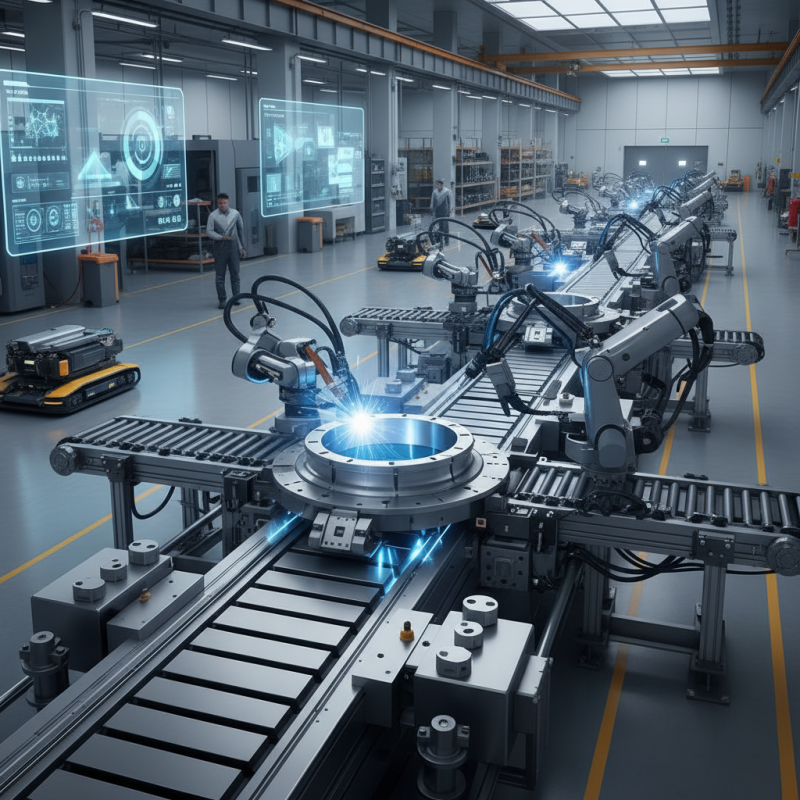
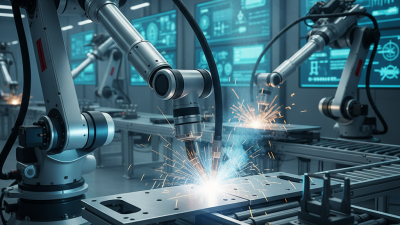
New features include improved automation. Robotics integrated into lathes help achieve consistent weld quality. Operators can handle complex tasks with ease. However, relying too much on automation risks human skill erosion. Continuous training for workers is crucial.
Tips: Regular maintenance is vital for optimal lathe performance. Inspect welding tools often to prevent downtime. Embrace innovation but retain hands-on skills. This will create a balanced approach to modern manufacturing.
Advancements in software also play a significant role. Real-time monitoring systems provide insights into welding processes. Operators can adjust settings for improved outcomes. This tech push can lead to over-dependence on data. It’s essential to combine data-driven decisions with practical experience.
Advantages of Advanced Materials in Welding Lathes
The integration of advanced materials in welding lathes is transforming the industry. According to a recent market report, the global welding equipment market is projected to reach $27 billion by 2026. This surge highlights a growing interest in innovations within the sector. Advanced materials like titanium and nickel alloys offer improved durability and strength. These materials can withstand higher temperatures and resist wear, making them ideal for demanding applications.
Welding lathes crafted from these materials can enhance productivity. They allow for faster operation, reducing downtime. This is crucial in industries where efficiency is vital. A study indicated that using advanced materials increased productivity by up to 20%. However, the cost of these materials can be a barrier for some manufacturers. It’s essential to weigh these benefits against the initial investment.
Despite the advantages, challenges remain. Advanced materials can be harder to source and require specialized handling. Moreover, some manufacturers may lack experience with these innovations. Training personnel effectively is necessary to overcome this hurdle. As technologies continue to evolve, the industry must adapt. Embracing these materials could reshape the future of welding lathes, but reflection on their integration is vital.
Enhanced Precision and Efficiency in Track Welding Processes
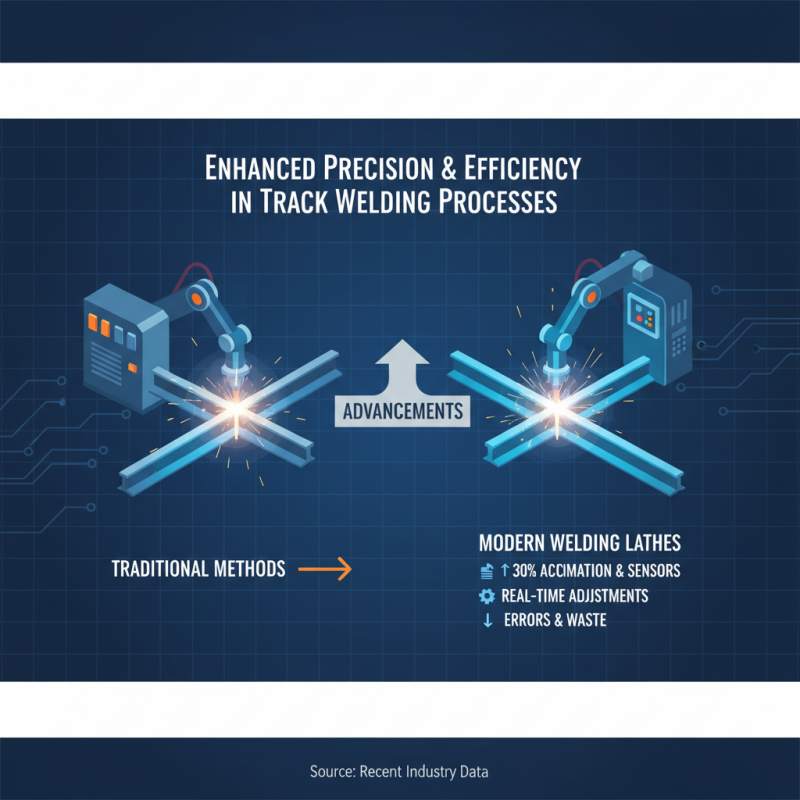
Advancements in track welding technology are pivotal for enhancing precision and efficiency. Recent data indicates that modern welding lathes have improved accuracy by up to 30%. This leap in performance is largely due to advanced automation and state-of-the-art sensors. These innovations allow for real-time adjustments during the welding process, minimizing errors and material waste.
Efficiency is another major benefit. Reports suggest that new machining techniques can reduce cycle times by as much as 40%. This is significant for manufacturers needing to meet tight production schedules. The integration of predictive maintenance tools also plays a role. They help avoid unexpected downtimes, ensuring continuous operation. However, the reliance on smart technology raises concerns. There can be a steep learning curve for operators, leading to initial inefficiencies. Companies must balance investment in tech with staff training to maximize potential gains.
Moreover, enhanced precision does not come without its challenges. Some users report increased complexity in setup processes. The need for skilled operators to manage these sophisticated systems is critical. Without proper training, the benefits of innovation may not be fully realized. Long-term planning is essential to address these gaps and ensure sustainable production improvements.
Sustainability and Eco-Friendly Practices in Welding Lathe Manufacturing
The welding lathe industry is undergoing a shift towards sustainability. Manufacturers are adopting
eco-friendly practices that minimize environmental impact. For example, using recycled materials reduces waste and conserves resources. This approach not only benefits the planet but also enhances product quality.
Some companies are exploring energy-efficient technologies. Implementing renewable energy sources is a step in the right direction. However, transitioning to greener
practices is not without challenges. Costs can be a barrier, and not every facility is equipped for change.
Water conservation is another critical area. Technologies that recycle coolant fluids have emerged but are not widely adopted. This requires a cultural shift in the industry. Education and training are essential to ensure
everyone understands the importance of eco-friendly methods. As innovations continue to develop, the industry must reflect on these practices and strive for improvement.
Future Trends in Automation for Welding Lathe Systems
The future of automation in welding lathe systems is both exciting and complex. Advancements in robotics and AI are redefining the industry. Automation allows for precision that manual work often lacks. Imagine a machine that can adjust settings in real-time, ensuring perfect welds every time. This could reduce waste and save costs, yet the technology is still evolving.
However, challenges remain. While automation can improve efficiency, it can also lead to job displacement. Workers may need new skills to adapt. This shift poses questions about training and integration. Can existing workers keep up with rapid innovations? Furthermore, embracing automation requires substantial investment. Smaller businesses may struggle to afford these upgrades. Balancing innovation with workforce stability is critical.
As automation continues to grow, the focus will shift to collaborative systems. These systems work alongside human operators, enhancing productivity rather than replacing jobs. Yet, the road ahead is not without bumps. Companies must navigate the intricacies of technology adoption and employee adaptation. The future of welding lathe automation is promising, but it demands careful consideration of its broader impact.