Top Benefits of Using a Saw Welding Machine for Your Projects?
The use of a Saw Welding Machine in various industries has surged in recent years. According to the Welding Journal, the demand for efficient welding solutions has grown by over 25% since 2020. This trend highlights the importance of technology in enhancing productivity. The Saw Welding Machine offers unique advantages that cater to this need.
One significant benefit is precision. A Saw Welding Machine can achieve tighter tolerances than traditional methods. This precision is critical in industries like automotive and aerospace, where even minor inaccuracies can lead to costly errors. Data from the American Welding Society reveals that companies implementing advanced welding technologies can reduce operational costs by nearly 20% annually. These improvements indicate a shift toward modern solutions.
However, while the Saw Welding Machine presents clear advantages, users must remain mindful of its complexities. Proper training and maintenance are crucial for maximizing its potential. Without careful oversight, projects can face delays or failures. As industries evolve, embracing new technologies like this machine is essential, yet caution is necessary to fully realize their benefits.
Key Features of Saw Welding Machines in Modern Fabrication
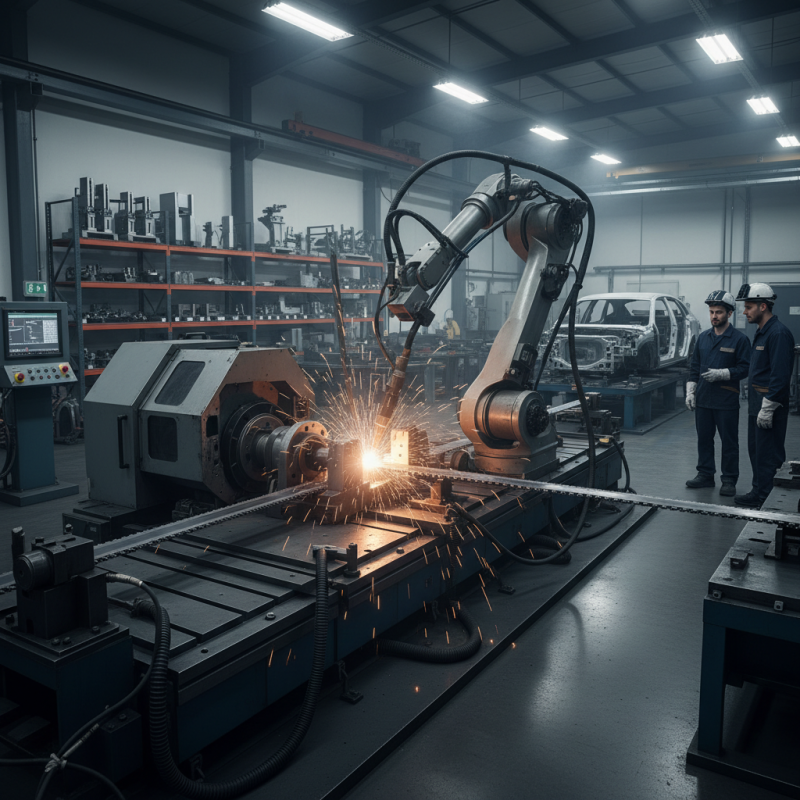
Saw welding machines have transformed modern fabrication. These machines offer precision, speed, and durability, essential for any project. In construction and manufacturing, the ability to weld metal with accuracy cannot be overstated.
One key feature is the advanced control systems. These allow operators to adjust parameters easily for optimal performance. Automatic feed rates ensure consistent results, minimizing waste. Moreover, lightweight designs make them easier to transport and use on-site. However, operators must be trained properly. Inadequate training can lead to accidents or subpar welds.
Another important aspect is versatility. Saw welding machines work with various materials, from stainless steel to aluminum. They can adapt to different thicknesses, making them suitable for diverse applications. Nonetheless, the initial investment may be high, and not every project justifies it. Users should evaluate their needs carefully before purchasing. Balancing cost with the potential benefits is crucial for long-term success.
Top Benefits of Using a Saw Welding Machine
The chart above highlights the key benefits of using a saw welding machine in modern fabrication. Each benefit is rated on a scale from 1 to 10, illustrating the importance of efficiency, cost savings, precision, versatility, and safety features in project execution.
Advantages of Increased Precision and Accuracy in Welding
Welding precision is crucial in various industries. A saw welding machine enhances accuracy, mitigating errors. This can lead to significant cost savings. According to industry reports, a 2% increase in precision can reduce material waste by over 10%. Such efficiency is vital for budget-constrained projects.
Accuracy in welding affects structural integrity. A small misalignment might seem minor, but it can lead to catastrophic failures. In aerospace and automotive sectors, precise welding can impact safety and performance. Data shows that precision welding processes yield a 15% increase in product lifespan. This longevity translates into fewer replacements and repairs, benefiting end-users and manufacturers alike.
The technology is still evolving. While saw welding machines provide improved precision, they require skilled operators. Training is essential to maximize the benefits of this technology. Without proper knowledge, the initial advantages can dwindle. As with any advanced tool, the results depend on how well it is utilized in practice. Fine-tuning the process is necessary for optimal outcomes.
Enhancements in Efficiency and Speed for Project Completion
The efficiency and speed of a saw welding machine can dramatically enhance project completion. These machines streamline the welding process, allowing for quicker setups and faster execution. Users often report significant time savings when implementing this technology. Instead of manual welding, automated precision takes center stage. This not only decreases the time spent on each task but also minimizes errors that can occur during manual processes.
Moreover, a saw welding machine can handle various materials, which adds to its versatility. This adaptability means that projects can transition smoothly between different tasks without delays. The ability to weld complex geometries quickly is another advantage. For instance, intricate designs that once took hours can now be completed in a fraction of that time.
However, it's important to acknowledge that incorporating such technology requires upfront investment. Not every team is equipped to manage or maintain this machinery efficiently. Training must be a part of the equation to realize the full potential of these machines. Adopting new tools also requires reflection on current practices and workflows, ensuring alignment with long-term goals. The balance between technological investment and operational efficiency can be delicate yet crucial for success.
Safety Benefits of Using Saw Welding Machines in Work Environments
Using a saw welding machine offers numerous safety benefits in work environments. One key advantage is the reduced risk of injuries. Conventional welding methods often require workers to manage multiple tools, increasing the chances of accidents. In contrast, saw welding machines provide a streamlined process. They integrate cutting and welding, minimizing the number of tools in use. This integration helps keep the workspace organized and efficient.
Proper training is essential. Workers must understand how to operate the saw welding machine effectively. Misuse can lead to injuries, even with advanced equipment. Encourage regular training sessions and updates. Consider creating a checklist for safe operations. This proactive approach fosters a culture of safety.
It's also crucial to maintain the equipment. Regular inspections can identify potential hazards before they become serious issues. Check for signs of wear and tear, such as frayed wires or dull blades. Address any concerns immediately. A well-maintained machine operates more efficiently and safely. Ensure that all safety features are functioning correctly. Proper maintenance not only prolongs the life of the machine but also safeguards the workers.
Cost-Effectiveness of Saw Welding Machines Over Traditional Methods
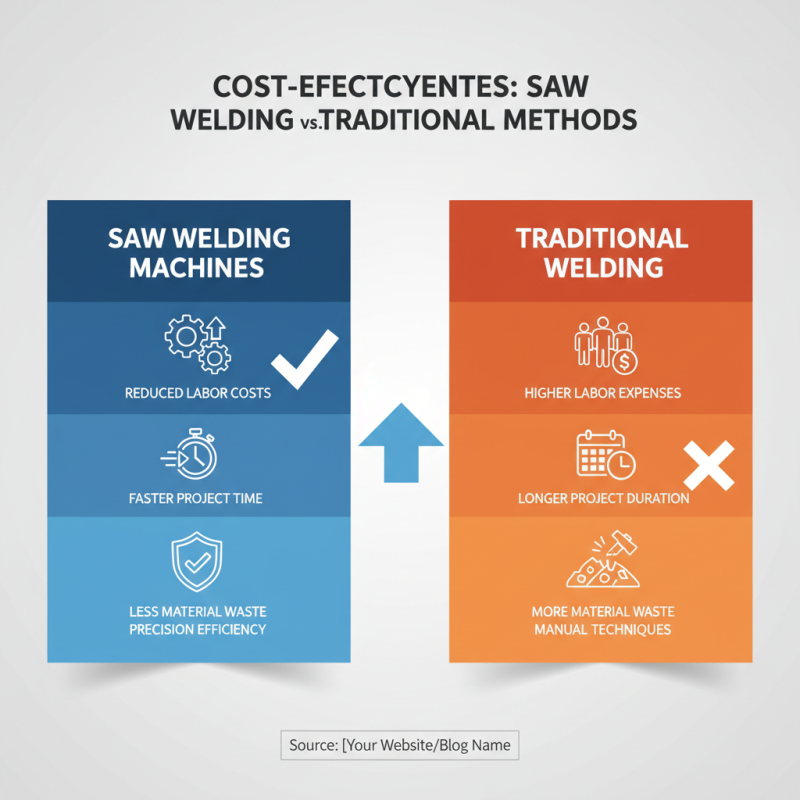
When considering cost-effectiveness, saw welding machines stand out against traditional methods. They significantly reduce labor costs. These machines allow for faster welding processes, which decreases overall project time. Fewer hours spent on tasks means lower bills for labor. Importantly, the efficiency of saw welding comes from its precision. This often results in less material waste compared to older techniques.
Another crucial factor is the durability of the welds produced. Saw welding leads to stronger joints, which means fewer repairs in the long run. An initial investment in a saw welding machine may seem high. However, this translates into savings over time due to reduced maintenance and rework costs. The enhanced quality of work reduces the likelihood of failures on site.
It’s vital to weigh the upfront costs against the long-term benefits. Budget constraints may lead to hesitation in adopting new technology. Yet, this shift can streamline operations significantly. While the transition may come with challenges, the benefits often outweigh the difficulties. Investing in modern machinery is a step toward more efficient, cost-effective outcomes.