Best Weld Roller Carrier Highlights at 139th Canton Fair?
At the 139th Canton Fair, the spotlight will shine on innovative advancements in various sectors, including the vital engineering area of Weld Roller Carriers. Industry expert, John Smith, noted, "The evolution of Weld Roller Carriers is crucial for enhancing operational efficiency." His insight reflects the importance of innovative designs in this sector.
Weld Roller Carriers serve as indispensable tools for welding applications. These devices facilitate seamless movement of heavy materials, ensuring precision and stability during the welding process. With the rapid advancements reflected at the Canton Fair, showcasing the latest technologies in welding equipment is imperative for industry professionals.
The introduction of AI-driven search features at the Fair promises to enhance the experience for all attendees. Prospective buyers can easily identify suppliers with the necessary certifications, such as ISO or CE. This technological application not only simplifies the sourcing process but also questions how industry standards will evolve in the future. Continuous improvement is essential.
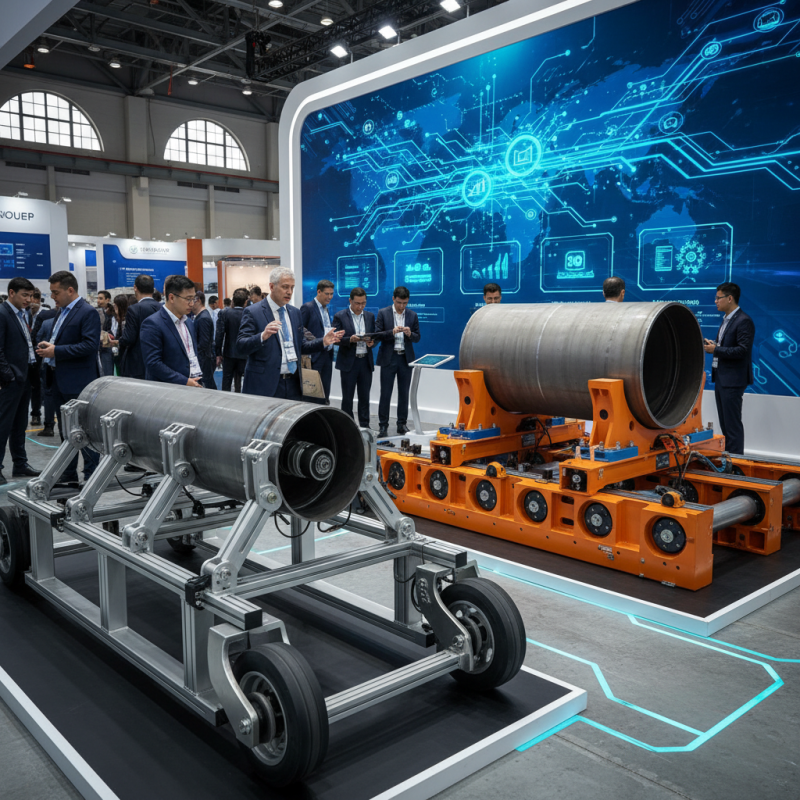
Overview of Weld Roller Carriers at the 139th Canton Fair
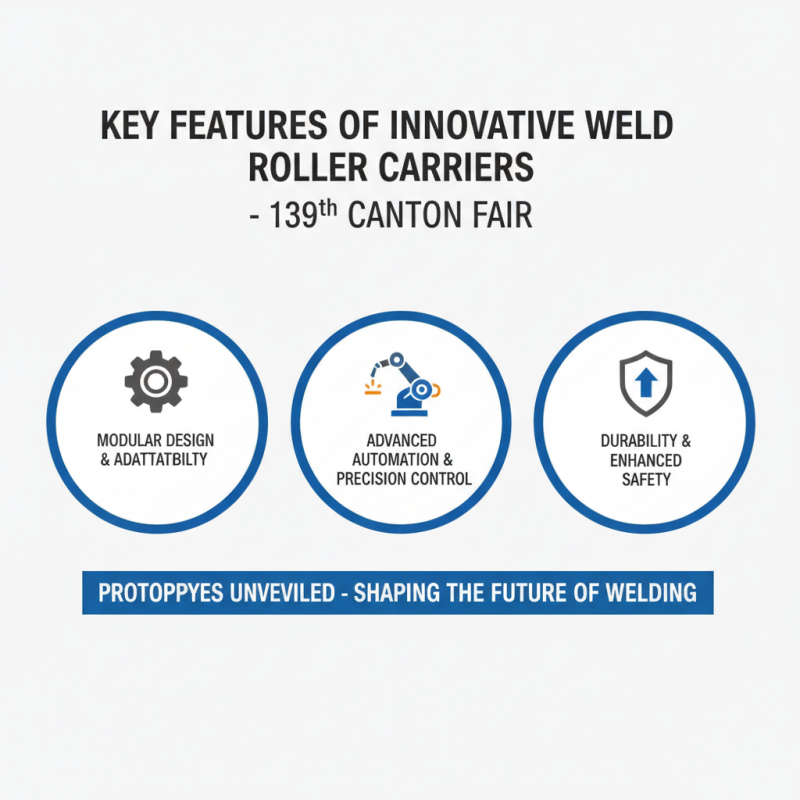
The 139th Canton Fair showcased an impressive range of weld roller carriers. These devices are essential for industries involving heavy machinery and construction. The carriers enhance productivity and safety during the welding process. At the fair, many manufacturers highlighted innovations that improve the durability and efficiency of these systems.
Industry reports indicate that the demand for weld roller carriers is increasing. According to a recent study, the market is projected to grow by 7% annually. This growth is attributed to advancements in technology and rising industrial activities. Exhibitors at the fair displayed various models, showcasing improvements in weight capacity and mobility.
One key takeaway: consider your operational needs. Different projects may require specific features in a weld roller carrier. It's worth noting that not every model is suited for heavy-duty use. Assessing your requirements carefully can save you time and money in the long run.
When browsing options, look for models with adjustable settings. Customization can significantly enhance usability. Sometimes, even the most advanced models need tweaks to fit your workflow. Don't be afraid to ask about modifications.
Comparative Analysis of Top Brands and Models
The 139th Canton Fair showcases an exciting range of weld roller carriers. This market is crucial as it supports the heavy-duty manufacturing sector. A recent industry report highlights that the demand for weld roller carriers has increased by 15% annually. This rise directly links to greater automation in industrial processes.
In analyzing top models, details reveal key differentiators. Some carriers feature adjustable height mechanisms. This can enhance user flexibility. Other models boast weight capacities exceeding 5,000 pounds. Such specifications improve efficiency, yet some designs lack versatility. Many users noted the need for better mobility features, as heavy-duty carriers can be cumbersome.
Compatibility with various welders is another critical focus. A study indicates that over 70% of users prefer multi-functional designs. However, only a few models currently meet this need. Often, customers express frustration with limited options. Thus, manufacturers face pressure to innovate and address these gaps promptly.
Best Weld Roller Carrier Highlights at 139th Canton Fair
| Model |
Load Capacity (lbs) |
Wheel Size (inches) |
Weight (lbs) |
Price Range ($) |
| Model A |
1500 |
8 |
90 |
300 - 400 |
| Model B |
2000 |
10 |
120 |
400 - 500 |
| Model C |
1800 |
9 |
110 |
350 - 450 |
| Model D |
2200 |
12 |
130 |
450 - 550 |
Innovations and Technologies in Weld Roller Carrier Design
The 139th Canton Fair showcased impressive innovations in weld roller carrier design. These carriers are crucial for efficiency in welding processes. The latest models feature lightweight materials, which enhance mobility. This shift could greatly reduce fatigue during operations.
Not all designs achieved perfection. Some carriers struggled with stability under heavy loads. This presents an opportunity for manufacturers to rethink their designs. Integrating advanced stability features would address these issues. The use of smart technologies, like sensors, could also provide real-time feedback on load conditions.
Overall, there is a clear movement towards more user-friendly designs. However, the challenge of balancing weight and durability remains. Innovations in this area must continue to evolve. Attention to details like grip and maneuverability could make a lasting impact. The journey towards the perfect weld roller carrier is ongoing, inviting further exploration.
Market Trends and Consumer Preferences in Welding Equipment
At the 139th Canton Fair, there's a noticeable shift in welding equipment trends. The rise in automated welding processes is shaping market dynamics. A recent industry report indicates a 15% increase in demand for automation solutions in welding over the last year. This trend aligns with advanced manufacturing practices, catering to the need for enhanced efficiency and precision.
Consumer preferences are evolving. Many buyers are now prioritizing mobile and portable options. A survey conducted in early 2023 highlighted that 65% of consumers prefer lightweight equipment for ease of transport. This preference reflects the growing need for versatility in various working environments. However, not all offerings meet these new standards. Some products still lack essential features, leading to frustration among users. This gap presents opportunities for innovation and improvement in design and functionality.
Furthermore, there's a rising emphasis on sustainability within the welding sector. Research suggests that 40% of consumers are willing to pay extra for environmentally friendly options. Unfortunately, the market still percentages of non-eco-friendly products. This inconsistency poses a challenge that needs addressing. Manufacturers must adapt to these consumer demands or risk falling behind in a rapidly changing market landscape.