Best Welding Cut Machine Options for Global Buyers?
The demand for advanced Welding Cut Machines is surging globally. According to a recent market analysis, the industry is projected to grow by 5.2% annually through 2027. This growth reflects the rising need for precision and efficiency in metal fabrication. Manufacturers and fabricators are prioritizing state-of-the-art cutting technologies.
When selecting a Welding Cut Machine, buyers face varied options, from plasma cutters to laser systems. Each type serves unique purposes and industries. Reports indicate that laser cutting technology is particularly gaining traction. Its accuracy surpasses that of traditional methods, making it essential for high-stakes projects. However, potential buyers must consider their specific needs and budgets carefully.
In a crowded market, not all machines deliver consistent results. Some options may promise efficiency but lack in reliability. Therefore, thorough research and expert consultation remain vital in guiding purchases. The best solutions balance cost-effectiveness and performance. Only with the right information can buyers make informed decisions in a complex landscape.
Overview of Welding Cut Machines
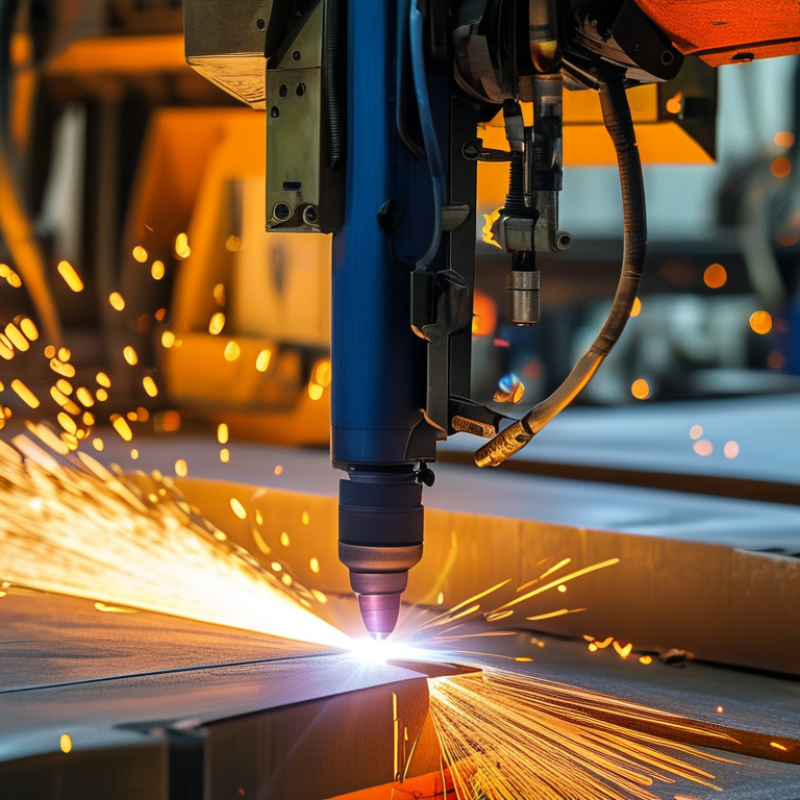
Welding cut machines play a crucial role in various industries, providing precise cutting solutions. As the global demand for metal fabrication increases, understanding these machines becomes essential. According to industry data, the global market for cutting machines is projected to grow at a compound annual growth rate (CAGR) of 4.5% from 2022 to 2027. This growth is driven by technological advancements and the rise of automation in manufacturing processes.
These machines can vary significantly in terms of features and capabilities. For instance, some models focus on speed, while others prioritize precision. When selecting a machine, users often face challenges in assessing their specific needs. It's vital to evaluate factors such as thickness of materials and desired cutting speed. Many users report feeling overwhelmed by the specifications, leading to potential miscalculations.
Moreover, maintenance plays a critical role in a machine's longevity and performance. Regular checks can prevent common issues that may disrupt production. Research indicates that 30% of machine downtime arises from inadequate maintenance, suggesting that buyers should consider operational support and training when making a purchase. Ultimately, making an informed choice requires thorough research and a deep understanding of one’s operational requirements.
Key Features to Consider When Choosing a Welding Cut Machine
When selecting a welding cut machine, understanding key features is crucial. Power output is essential; higher power can handle thicker materials. Versatility also plays a key role. A machine that can perform different types of cuts expands your capabilities. Look for models that support various metal types and thicknesses.
Safety features should not be overlooked. Machines equipped with automatic shut-off or thermal overload protection enhance user safety. Ease of use is another important consideration. Intuitive controls and minimal setup time can significantly improve your workflow. Review the weight and portability of the unit if you need to move it frequently.
It's worth reflecting on your specific needs. Consider the types of projects you'll tackle regularly. A feature-rich machine may not always be necessary for occasional use. Balancing functionality with your actual use case can lead to a more satisfying purchase. Engaging with experienced users or forums can provide insights that enhance your decision-making process.
Best Welding Cut Machine Options Comparison
This chart compares the key features of different welding cut machine options for global buyers. The features include cutting speed, weight, power consumption, and ease of use.
Popular Welding Cut Machine Brands for Global Buyers
When considering the best welding cut machine options, it's essential to explore the popular brands available globally. Many manufacturers offer reliable machines that cater to different needs. These brands focus on performance, portability, and safety features. A high-quality welding cut machine can make or break a project, so it's vital to choose wisely.
Some well-respected brands in the industry tend to have positive user feedback. Their machines often include features like adjustable settings, lightweight designs, and efficient energy consumption. However, potential buyers should be aware that not all machines live up to their promises. Some may underperform or require frequent maintenance, leading to frustration. Buyers should investigate warranties and customer service reliability.
The welding machine landscape is vast. New operators sometimes struggle to find the right fit. Not all popular brands offer the same level of performance across their range. Researching user reviews can provide insights into real-world experiences. It’s essential to understand both the strengths and weaknesses of each brand before making a purchase. With careful consideration, finding the right welding cut machine can enhance productivity and satisfaction in welding projects.
Best Welding Cut Machine Options for Global Buyers
| Machine Type |
Power Source |
Max Cutting Thickness (mm) |
Weight (kg) |
Price Range (USD) |
| Plasma Cutter |
Electric |
30 |
20 |
300 - 800 |
| Oxy-Fuel Cutter |
Gas |
200 |
25 |
150 - 400 |
| Laser Cutter |
Electric |
15 |
30 |
1000 - 5000 |
| Water Jet Cutter |
Hydraulic |
150 |
150 |
5000 - 15000 |
| Band Saw Cutter |
Electric |
80 |
40 |
500 - 1200 |
Cost Comparison of Welding Cut Machines Across Different Markets
The global market for welding cut machines is expansive and diverse. A comprehensive analysis reveals significant cost differences based on regional factors. For example, data from the International Welding Institute indicates that the average cost of these machines in North America may exceed $2,500, while in Asia, prices can start under $1,000.
Value assessment also includes operational costs. Maintenance and energy consumption can differ greatly across models. In some regions, lower initial costs may lead to higher long-term expenses. Buyers should consider whether the upfront savings are worth the potential drawbacks of higher operating costs.
Tips: Always compare features before purchasing. Look for energy-efficient options that may save money in the long run. Additionally, investing in user-friendly machines can reduce training time, enhancing productivity. Balancing cost with efficiency is essential for long-term success.
Maintenance Tips for Enhancing the Lifespan of Welding Cut Machines
Proper maintenance of welding cut machines is crucial for maximizing their lifespan. Regular checks on vital components significantly reduce potential malfunctions. According to a report by the American Welding Society, improper handling accounts for nearly 30% of machine failures. Therefore, operators should prioritize routine inspections.
One key aspect is ensuring that the line tension and nozzle conditions are optimal. Tight lines can cause overheating, while dirty nozzles lead to poor cuts. It’s essential to clean the nozzles after each use. Additionally, using the recommended gas pressures not only enhances performance but also extends equipment life. A study by the International Institute of Welding found that machines maintained correctly experienced a 25% longer operational life than neglected ones.
Moreover, operators should be aware that wear and tear occur naturally. Keeping a log of machine usage helps in identifying patterns that require special attention. Checking the electrical connections regularly can prevent unexpected shutdowns. Despite these guidelines, some operators may overlook small signs of wear, leading to bigger problems later. Developing a habit of detailed inspections can make a significant difference.