How to Choose the Best Auto Cutting Machine in 2026?
Selecting the right Auto Cutting Machine in 2026 can be challenging. With numerous options on the market, it’s crucial to consider various factors. The right machine can enhance efficiency and precision in production. A reliable Auto Cutting Machine is key to achieving high-quality results.
Potential buyers should evaluate their specific needs and production requirements. The available features, such as cutting speed and accuracy, matter greatly. It’s also important to consider the machine’s durability and ease of use. Many users overlook the importance of after-sales support. A solid warranty can provide peace of mind and protect your investment.
Investing time in research is vital. Look for reviews and expert opinions to inform your decision. Reflection on past experiences with different models can guide future purchases. An Auto Cutting Machine that fits well with your workflow can lead to significant improvements. As technology evolves, staying updated will help in making a well-informed choice.
Factors to Consider When Choosing an Auto Cutting Machine
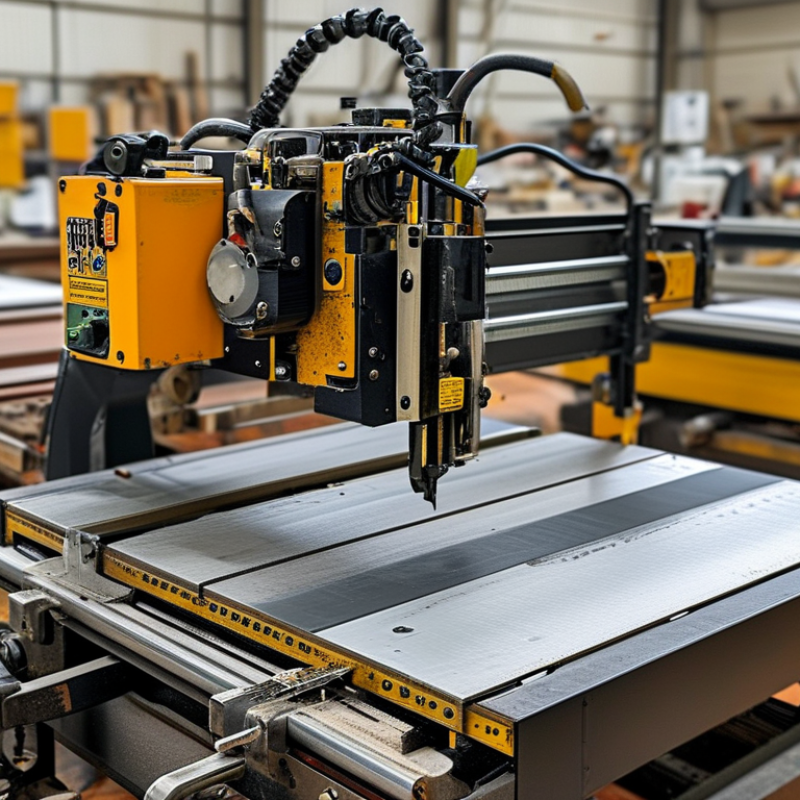
When selecting an auto cutting machine, several essential factors must be taken into account. A detailed assessment of the machine's accuracy is crucial. Industry studies indicate that even minor inaccuracies can lead to significant waste. Thus, precise cutting capabilities should be a top priority. For example, machines with accuracy levels of 0.1 mm have been shown to reduce fabric waste by up to 15%, as reported by the Textile Machinery Society.
Another key aspect is the machine's versatility. A capable auto cutting machine should handle various materials like fabrics, leather, and vinyl. Flexibility in material handling can enhance production efficiency. Reports reveal that facilities using multi-material cutting machines saw up to a 20% increase in productivity. However, users must also consider the learning curve associated with more complex systems. Sometimes, advanced features can overwhelm operators, leading to errors.
Cost efficiency represents a vital concern too. While it may be tempting to opt for cheaper models, durability and maintenance should not be overlooked. A detailed analysis from the Machinery Review Journal suggests that premium machines, although initially pricey, offer lower long-term operational costs. Careful consideration of these factors ensures an investment that aligns with production goals.
Types of Auto Cutting Machines and Their Applications
When selecting an auto cutting machine, understanding the types available plays a crucial role. There are various types, each tailored for specific applications. For instance, flatbed cutters are widely used in the textile and graphic industries. They can handle different materials, allowing for versatile applications. According to a recent report by ResearchAndMarkets, the global market for flatbed printers is anticipated to grow at a CAGR of 4.5% through 2026. This indicates a solid demand in this segment.
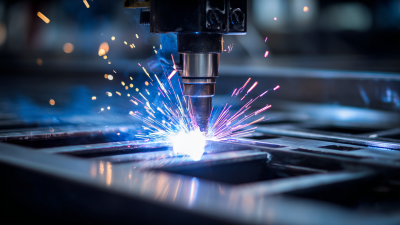
Another category is laser cutting machines. These devices are ideal for precision cutting in various materials, including metal and acrylic. The precision ensures minimal material waste, a critical benefit for manufacturing. However, users need to be aware of potential maintenance challenges, as laser machines require regular calibration. A study from MarketsandMarkets highlights that the laser cutting market is projected to reach $5 billion by 2026, driven by advancements in technology and expanding applications in industries like automotive.
Plasma cutting machines are also gaining popularity for thicker materials. They offer speed and efficiency in industrial settings. However, the quality of cuts can vary depending on machine settings and operator skill. Understanding these distinctions is crucial. The reliance on skilled operators can sometimes create gaps in performance. Hence, investing in training becomes as essential as choosing the right equipment.
Essential Features of High-Quality Auto Cutting Machines
When selecting an auto cutting machine, certain features define quality and efficiency. The cutting speed is crucial. A machine with a speed of 150 mm/s can significantly boost productivity, as stated in a 2023 industry report. Material adaptability is also vital. Machines that can handle various fabrics or materials, such as leather and textiles, expand usability. This flexibility is especially important for businesses that deal with diverse projects.
Precision is another key aspect. A high-quality machine should achieve a cutting accuracy of ±0.1 mm, which can minimize material waste. According to a 2023 survey, 28% of manufacturers reported frequent inaccuracies resulted in increased costs. The user interface should be intuitive, allowing for quick adjustments. Many modern machines now incorporate touchscreen interfaces, which can simplify operation.
Durability shouldn't be overlooked. Machines constructed from heavy-duty components generally last longer and require less maintenance. However, owners must weigh the initial cost against long-term savings. A recent study showed that 45% of companies experienced unexpected repair expenses due to low-quality machines. Choosing a reliable auto cutting machine is not just about features; it’s a long-term investment that impacts the entire production process.
How to Choose the Best Auto Cutting Machine in 2026? - Essential Features of High-Quality Auto Cutting Machines
| Feature |
Importance |
Recommended Specification |
| Cutting Speed |
High |
Over 800 mm/s |
| Material Compatibility |
Medium |
Supports multiple materials (fabric, leather, paper) |
| Precision |
High |
Accuracy of ±0.1 mm |
| User Interface |
Medium |
Touchscreen with intuitive software |
| Software Integration |
High |
Compatible with CAD software |
| Maintenance Requirements |
Medium |
Easy maintenance with online support |
| Portability |
Low |
Stationary units preferred |
Budgeting: Finding the Right Balance for Your Auto Cutting Machine
When considering an auto cutting machine, budgeting is crucial. The market has experienced a notable increase in demand, with a reported annual growth rate of 8.5% over the past five years. This reflects a shift towards automation in various industries, from textiles to manufacturing.
Investing wisely should account for both upfront costs and long-term savings. A report by industry analysts suggests that the initial investment can vary widely—from $5,000 to over $50,000 depending on the model. While cheaper models may seem appealing, they often lack durability and efficiency. In contrast, more expensive options may offer advanced features that can reduce labor costs by up to 30%. Analyzing your specific needs can lead to more informed choices.
While budget constraints are significant, it’s essential to reflect on the overall value. Ensure that the machine meets your production needs without compromising quality. In many cases, buyers realize that cutting corners can lead to inefficiencies or increased operational costs down the line.
Prioritize features that enhance productivity and reliability, as these factors can justify a higher initial expense. Balancing cost and quality is key to making a sound investment in your auto cutting machine.
Future Trends in Auto Cutting Technology and Innovations
The future of auto cutting technology is exciting and innovative. As we look to 2026, several trends emerge. Automation continues to play a significant role. Machines will integrate advanced AI and machine learning algorithms. These improvements will increase efficiency and precision in cutting processes. More industries will adopt these technologies, leading to higher production rates.
Tips: Look for auto cutting machines that offer flexible settings. Such machines allow users to adjust to various materials easily. Also, consider models with built-in sensors. These can detect material thickness, ensuring accurate cuts every time.
Another trend is sustainability. Manufacturers will focus on eco-friendly materials and energy-efficient machines. This shift reflects a growing demand for responsible manufacturing practices. However, some beings may feel overwhelmed by the rapid changes. It's essential to reassess priorities and evaluate which features matter most.
Tips: Prioritize machines with low energy consumption. Check for certifications that indicate sustainable practices. This consideration not only benefits the environment but also reduces operational costs in the long run.