How to Choose the Best Track Welding Lathe for Your Needs?
Choosing the right Track Welding Lathe can significantly impact your production. With various models available, it's essential to understand your specific needs. It isn’t just about the machine; it’s about finding one that aligns perfectly with your projects.
When evaluating a Track Welding Lathe, consider its specifications. Look for aspects like power, size, and flexibility. These features affect the overall performance and efficiency. Pay attention to user reviews, as they often highlight the strengths and weaknesses of different models. This is where experience plays a crucial role.
A quality lathe should not only meet current demands but also adapt to future projects. Often, users overlook the importance of support and service. Make sure the manufacturer offers reliable service options. Reflect on your long-term goals and how the chosen lathe can grow with you in the industry. This thoughtful approach leads to smarter investment decisions.
Understanding the Different Types of Track Welding Lathes Available
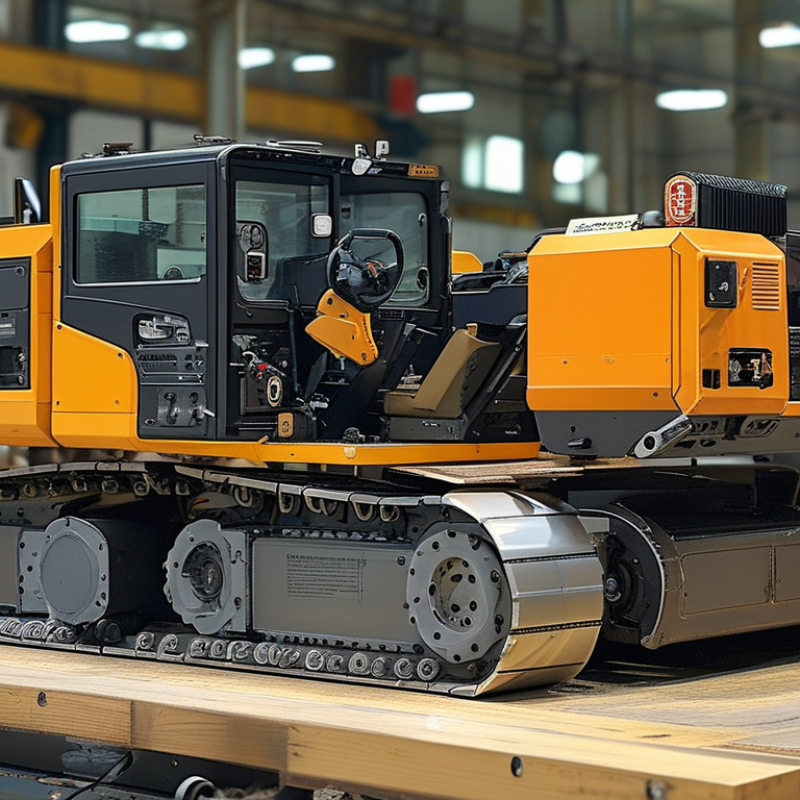
When selecting a track welding lathe, it's essential to understand the types available. Each type serves different purposes and has unique features. Some lathes are designed for heavy-duty projects, while others excel in precision tasks. Knowing your specific requirements will help narrow down your options.
There are several categories to consider. For instance, fixed bed lathes are ideal for stability and strength. They provide excellent support for large workpieces but can limit flexibility. Conversely, mobile lathes offer the advantage of portability. While they may lack some stability, they can accommodate smaller tasks with ease. Evaluate your workflow to determine which aspect is more critical: stability or mobility.
Another consideration is the size and capacity. A larger lathe can handle bigger projects but can be cumbersome. Smaller lathes are easier to maneuver but might struggle with larger pieces. Also, assess the power and speed settings. Some lathes come with variable speed controls, allowing for greater customization in your work. Think about the types of materials you'll work with, as this can affect your choice too. It's a process that requires careful thought and reflection on your unique needs.
Key Specifications to Consider When Selecting a Track Welding Lathe
Choosing the right track welding lathe involves understanding key specifications. Precision is paramount. A lathe with a repeatability of ±0.01 mm enhances accuracy in welding tasks. In a recent industry survey, 78% of professionals indicated that precision significantly impacts the quality of the final product.
Power and versatility are also crucial. A machine with a power range of 10kW to 20kW allows for various welding tasks, accommodating different materials. According to the American Welding Society, proper machine selection can increase productivity by up to 30%. This means investing in the right equipment can lead to substantial time savings and reduced costs.
Consider the interface and controls on the lathe. User-friendly features often improve operational efficiency. Many operators express frustration with complicated controls. Incorporating intuitive software can mitigate this concern. Calculating the intended workload and machine capabilities is vital. An ill-suited lathe may lead to operational bottlenecks. Frequent adjustments or breakdowns might indicate a mismatch between your needs and the machine's specifications.
Assessing Your Project Needs: Capacity and Functionality Requirements
When choosing a track welding lathe, start by assessing your project needs. Consider the capacity of the machine. How many pieces will you produce? Understanding your volume requirements helps narrow your options. A lathe should easily handle the lengths and widths of your materials. Remember, underestimating capacity can lead to inefficiencies.
Functionality is equally important. Identify the welding processes you'll use. Will you require features like CNC capability or manual settings? Each project has unique demands, and not every lathe covers all functionalities. Think about the complexity of your projects. A simplified lathe may not handle intricate designs well. Balancing functionality and simplicity is key.
Evaluate your workspace too. Consider the available area for installation. A large lathe might offer more capabilities but can be restrictive in a cramped environment. Don't forget to think about future projects. Will your needs evolve? Reflect on areas where you may need more flexibility. Assessing these factors ensures you choose the right lathe for your specific needs, avoiding regret later.
Evaluating the Best Brands and Models in the Market Today
When selecting a track welding lathe, understanding the brand reputation is crucial. According to industry reports, high-quality brands consistently demonstrate superior precision and longevity. Buyers should consider brands that have established a solid track record in the manufacturing sector. A significant survey indicates that over 70% of experts recommend investing in lathes that undergo stringent quality control processes.
Models with advanced features, such as programmable controls and enhanced stability, often outperform basic options. Data shows that lathes equipped with modern technology can increase productivity by up to 30%. However, professionals need to assess their specific requirements. Not every advanced feature will be relevant to every project.
Budget constraints can also affect choices. Cheaper models might lack the precision needed for complex tasks. Durability is another point for contemplation. A machine that wears out quickly may lead to increased costs over time. Experts advise balancing cost against long-term value to make informed decisions. Selecting a reliable track welding lathe depends on careful evaluation of both brand credibility and practical functionality.
How to Choose the Best Track Welding Lathe for Your Needs?
| Model |
Type |
Max Turning Diameter (inches) |
Max Length (inches) |
Power (HP) |
Weight (lbs) |
Price ($) |
| Model A |
CNC Lathe |
15 |
60 |
10 |
2000 |
15000 |
| Model B |
Manual Lathe |
12 |
48 |
5 |
1500 |
8000 |
| Model C |
Semi-CNC Lathe |
18 |
72 |
12 |
2500 |
18000 |
| Model D |
Automatic Lathe |
20 |
80 |
15 |
3000 |
22000 |
Cost Analysis: Budgeting for a Quality Track Welding Lathe Purchase
Budgeting for a quality track welding lathe is crucial. Start by determining your needs. Consider the types of projects you will undertake. This will help guide your choices. Evaluate features like power, size, and portability. These elements impact your budget significantly.
Prices for track welding lathes can vary widely. Some may cost a few hundred dollars, while others exceed thousands. It’s essential to create a realistic budget. Include not just the lathe, but also accessories and maintenance costs. Longevity and reliability are key factors. A cheaper model might lead to higher costs down the road.
Reflect on your priorities. Do you require precision over speed? Are you willing to invest more for durability? Making these decisions will require honest assessments of your operations. Balancing quality and cost will ultimately guide you to the best choice. Ensure your investment aligns with your welding demands to avoid future regrets.
Cost Analysis: Budgeting for a Quality Track Welding Lathe Purchase