How to Choose the Best Chaff Cutter Machine for Your Farm?
Choosing the right Chaff Cutter Machine is essential for modern farming practices. According to a report by ResearchAndMarkets, the global chaff cutter market is expected to grow at a CAGR of 6.5% over the next five years. This growth highlights the increasing demand for efficient feed processing solutions in agriculture. Farmers often find it challenging to select the best machine for their specific needs.
Expert in agricultural machinery, Dr. John Miller, emphasizes, "The right chaff cutter can significantly enhance feed quality and reduce waste." This statement underlines the importance of matching the features of the machine with farming requirements. Factors like cutting efficiency, material durability, and ease of operation are crucial. Many farmers overlook these aspects, which can lead to poor performance and investment losses.
In the quest for the best Chaff Cutter Machine, consideration of both quality and cost is vital. Evaluating online reviews and user experiences can offer insights but may not always reflect true performance. The decision-making process can feel overwhelming, and reflecting on your specific operational needs is necessary. Ultimately, knowledge and careful analysis are key to achieving effective results in feed preparation.
Understanding the Importance of Chaff Cutter Machines in Farming
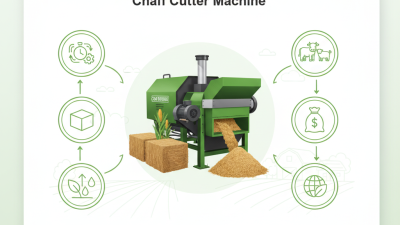
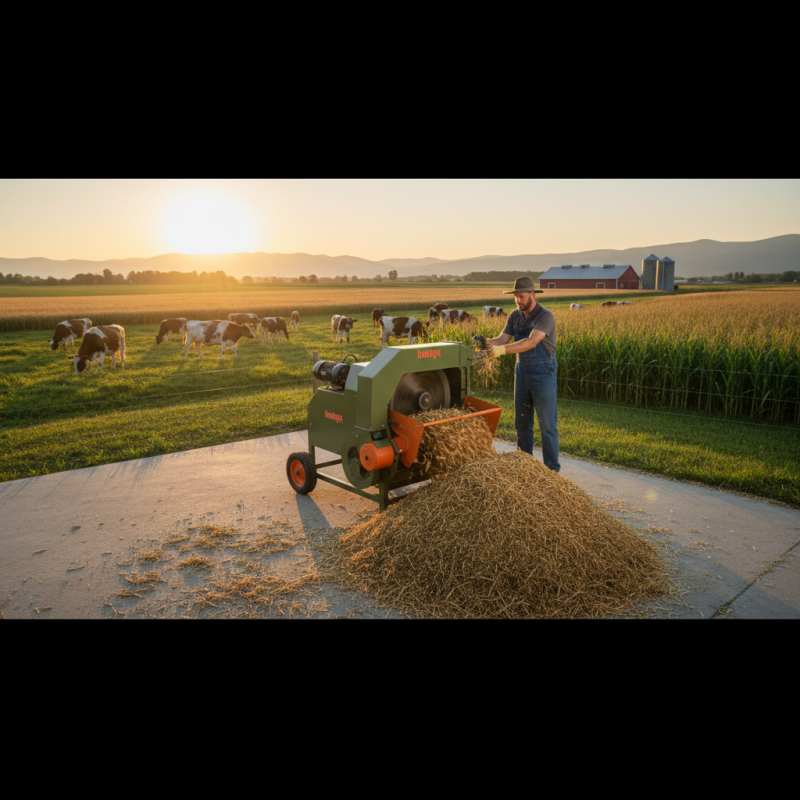
Chaff cutter machines play a crucial role in modern farming. They are essential for efficiently processing straw and other plant materials. By converting these into smaller pieces, they provide better feed for livestock. According to recent industry reports, up to 70% of farmers noted improved livestock health after incorporating chaff into their diets. This easy digestion helps animals grow faster and healthier.
Additionally, these machines can significantly reduce labor costs. A study from the Agricultural Machinery Institute indicates that using a chaff cutter can save farmers up to 30% in manual labor time. This efficiency is vital, especially for small farms with limited resources. However, it is essential to consider the machine's capacity and design before purchasing. Not all chaff cutters suit every type of crop or farm size.
Farmers also need to be aware of maintenance issues. Regular checks and repairs can prevent breakdowns and costly delays. Many reports highlight that neglecting maintenance reduces machine lifespan by up to 40%. Investing time in understanding these aspects ensures that the machine operates efficiently. This knowledge allows farmers to make informed decisions, ultimately leading to a more productive farm operation.
Chaff Cutter Machine Types and Their Popularity
This chart illustrates the popularity of different types of chaff cutter machines based on units sold. As depicted, electric chaff cutters are the most popular choice among farmers, followed by manual and PTO chaff cutters, while diesel chaff cutters are the least popular in terms of sales.
Factors to Consider When Selecting a Chaff Cutter Machine
When selecting a chaff cutter machine, consider the power source. Electric powered machines offer convenience but may limit mobility. Conversely, gasoline models provide portability but require regular maintenance. Think about your farm's layout. A lightweight cutter might work better for small spaces, while larger farms may benefit from more robust machines.
Material and build quality are essential. Look for durable materials that withstand harsh conditions. Cheaper models may save money upfront but could lead to higher repair costs. Research from trusted sources indicates that a well-constructed cutter lasts longer in the field.
Tip: Assess the cutting capacity. Machines have varied output rates. A lower capacity might cause delays during peak times.
Another crucial factor is safety features. Ensure that the machine has adequate safeguards to prevent accidents. Features like emergency shut-off switches can be lifesavers.
Tip: Read user reviews to gauge real-world experiences. Feedback can unveil potential issues you may not have considered. Choose wisely to ensure your chaff cutter meets your farming needs.
How to Choose the Best Chaff Cutter Machine for Your Farm? - Factors to Consider When Selecting a Chaff Cutter Machine
| Factors |
Description |
Importance Level |
Price Range (USD) |
| Power Source |
Consider whether you need electric, diesel, or manual operation. |
High |
500 - 2,000 |
| Cutting Capacity |
Look at the machine’s ability to process material per hour. |
High |
1,000 - 3,000 |
| Ease of Use |
Consider how user-friendly the controls and operation are. |
Medium |
300 - 1,500 |
| Maintenance Requirements |
Evaluate the ease of servicing and part availability. |
High |
Varies |
| Durability |
Check the build quality and material longevity. |
High |
400 - 2,500 |
| Safety Features |
Inspect for safety guards and emergency stops. |
Medium |
200 - 1,200 |
Types of Chaff Cutter Machines and Their Applications
When it comes to choosing a chaff cutter machine, different models cater to varied farm needs. These machines play a critical role in livestock feed preparation. Understanding the types available helps farmers make informed decisions.
One common type is the manual chaff cutter. It’s affordable and easy to operate. However, it requires physical effort and may not be suitable for larger farms.
In contrast, electric chaff cutters save time and energy. They are efficient for bigger operations but may require a stable power source.
Additionally, some advanced models come with multiple features, such as adjustable cutting lengths. This customization is beneficial for optimizing feed quality.
The drawback is that these machines can be costly. Farmers must weigh the pros and cons carefully. Evaluation of their specific needs can lead to better machine selection.
Evaluating the Efficiency and Durability of Chaff Cutters
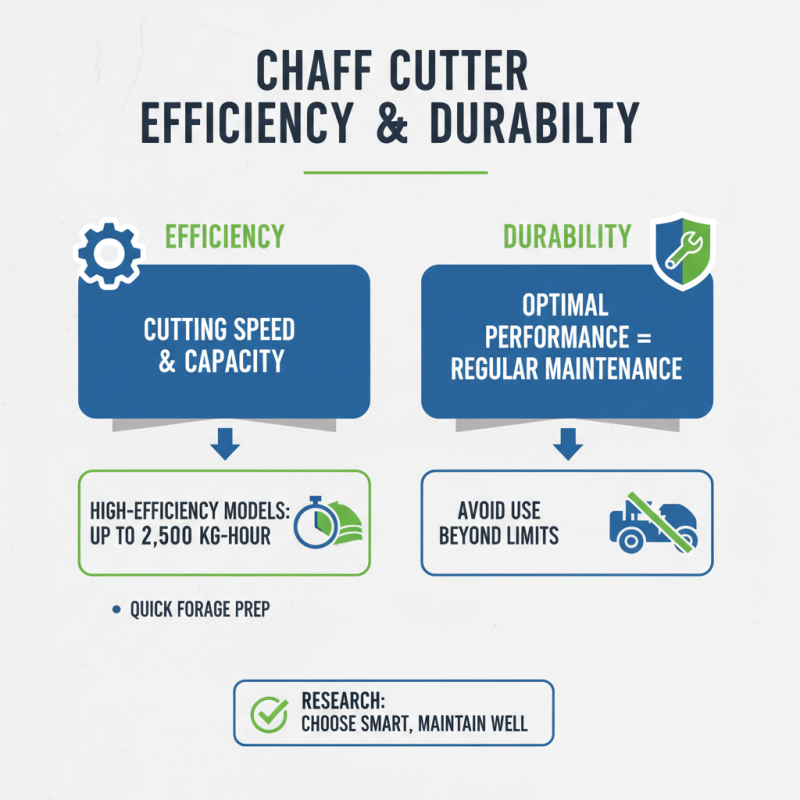
When evaluating the efficiency of chaff cutter machines, consider their cutting speed and capacity. Research indicates that high-efficiency models can process up to 2,500 kg of chaff per hour. This is crucial for farmers needing quick forage preparation. However, some machines may underperform if used beyond specified limits. Regular maintenance is necessary for optimal operation.
Durability is another essential factor in your choice. A study by agricultural engineers showed that robust cutters often have longer lifespans. Machines made with high-quality steel can last up to seven years with proper care. On the contrary, lower-quality models may need replacement every two years, leading to increased costs.
Assess the technology used in various designs. Electric and diesel-powered cutters each have advantages and disadvantages. Diesel models often offer higher power but may require more maintenance. Electric versions are quieter and more eco-friendly, yet less powerful. Make informed choices based on your specific farming needs.
Budgeting for Your Chaff Cutter Machine Investment
When budgeting for a chaff cutter machine, careful planning is essential. First, consider not just the upfront costs but also long-term operational expenses. According to industry reports, the average cost of a reliable chaff cutter ranges from $1,000 to $5,000, depending on size and features. Investing in a higher-quality machine may lead to better efficiency and fewer repairs, making it a wise choice in the long run.
Maintenance can quickly add up. Regular upkeep typically costs 5-10% of the initial purchase price annually. Contemplate future needs, such as the possibility of expanding your farm. It might be worthwhile to invest in a machine with adjustable capabilities. Some users have reported that less expensive chaff cutters can lead to increased downtime, which could affect productivity. In contrast, a well-budgeted investment can pay dividends over time.
Don’t forget about financing options. Many manufacturers and retailers offer payment plans, making high-quality machines more accessible. Additionally, look into government subsidies or grants aimed at modernizing farming equipment. Such financial support can significantly ease the burden on farmers. Ultimately, thorough research and a clear budget will help you make the best choice for your needs.