How to Choose the Best Corn Cutter Machine for Your Needs?
Choosing the right Corn Cutter Machine can significantly impact your efficiency in food preparation. With various options available, finding the ideal machine for your needs is crucial. Not every cutter is designed the same way. Some models may excel in speed, while others focus on precision.
Consider factors such as size and power. A powerful machine may handle larger volumes, but it might also be more challenging to store. Portability is often overlooked. If you need to move your Corn Cutter Machine frequently, a lightweight option can make a difference. Think about the ease of cleaning as well; some designs might have complicated parts that take extra time.
Researching customer reviews can offer valuable insights. Real experiences reveal strengths and weaknesses that specifications may not cover. Reflect on your specific needs and preferences. This will ultimately guide you toward the right decision. Investing time in this process can lead to greater satisfaction with your purchase.
Types of Corn Cutter Machines Available in the Market
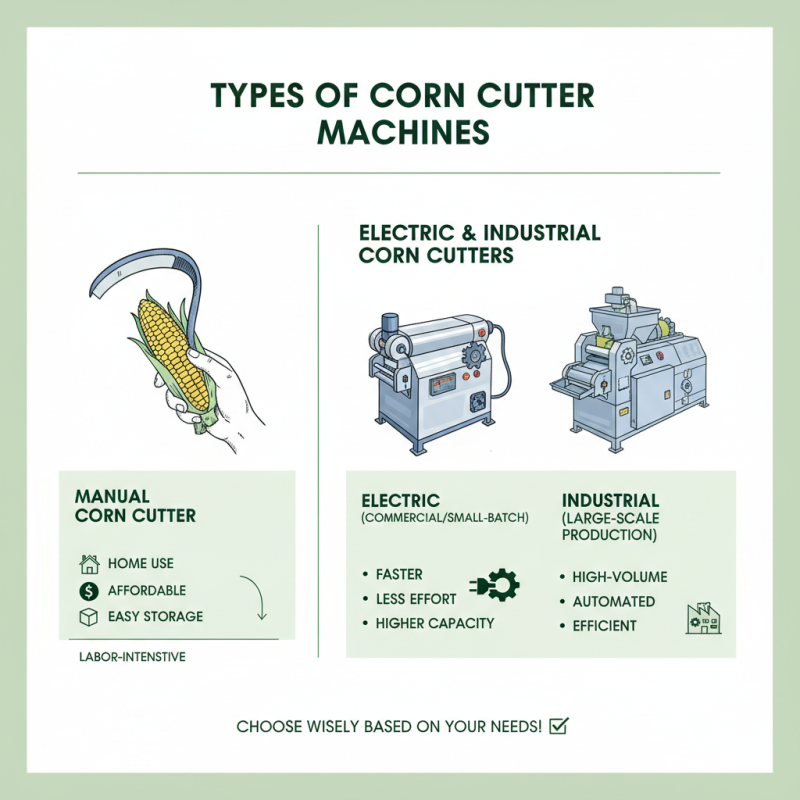
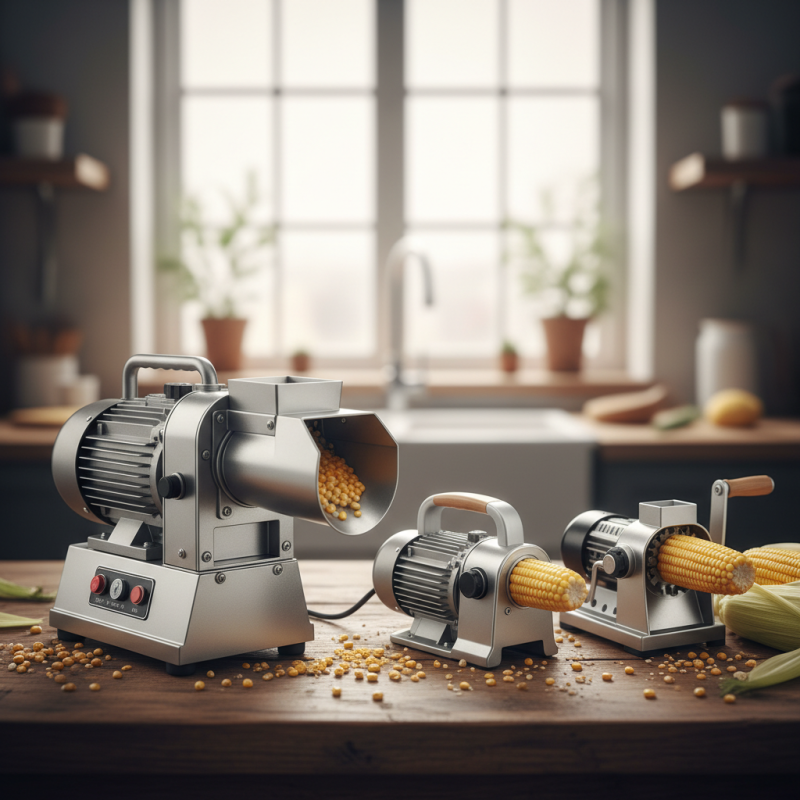
When selecting a corn cutter machine, it's essential to understand the types available. Each type serves different needs and purposes. Manual corn cutters are popular for home use. They are simple to operate and require no power. Users often appreciate these machines for their affordability and ease of storage. However, they can be labor-intensive.
Electric corn cutters take efficiency to another level. They are suitable for larger operations or frequent use. These machines automate the cutting process, saving time and effort. Some models come with adjustable settings for different cutting styles. They can be bulky and need a dedicated space, which may not always be available.
High-capacity corn cutters exist for commercial settings. These machines can handle large quantities quickly. While they offer speed, they can also be expensive and require maintenance. Users often find them complex and might overlook basic upkeep. Understanding these nuances helps in making an informed decision. Each option has pros and cons, and reflecting on specific needs is crucial.
Key Features to Consider When Choosing a Corn Cutter
When selecting a corn cutter machine, several key features come into play. Efficiency is critical. A machine that can process 1,000 pounds of corn an hour is preferable, especially for commercial use. In the field, professionals note that faster machines reduce labor costs significantly. However, speed should not compromise the quality of the cut. An uneven cut can lead to waste and spoilage.
Durability matters too. Machines made with heavy-duty materials often last longer under rigorous conditions. A recent industry report indicated that robust cutters could last up to five years longer than cheaper alternatives. Maintenance should be straightforward, allowing for easy cleaning and part replacement. This can save time and ensure consistent performance.
Consider the noise level as well. Some machines can be quite loud, which can hinder workflow in busy environments. Additionally, energy efficiency is crucial in today’s environmentally conscious market. Machines that offer lower energy consumption can lead to substantial savings over time. Reflecting on these factors can help you make an informed decision that balances performance, cost, and sustainability.
Assessing the Size and Capacity of Corn Cutter Machines
When selecting a corn cutter machine, size and capacity are critical factors to consider. A smaller machine may suit personal use or small farms. However, for larger operations, a bigger model is necessary. These machines can handle various volumes, impacting efficiency and performance. Assess your workload realistically to make the best choice.
Tips: Measure the amount of corn you plan to process. This will help you gauge the right capacity for your needs. Having a machine that is too small can lead to bottlenecks.
Evaluate the physical dimensions as well. Ensure the machine fits in your workspace. Consider the ease of storage and mobility. A compact cutter could save space, but ensure it does not compromise on power.
Remember, each machine has limitations. For instance, a powerful cutter may become cumbersome. Heavy machines are less portable, while lighter ones might lack sturdiness. It's vital to strike the right balance based on your specific needs. Choose wisely.
How to Choose the Best Corn Cutter Machine for Your Needs? - Assessing the Size and Capacity of Corn Cutter Machines
| Machine Type |
Cutting Capacity (kg/h) |
Width of Cutting Blade (cm) |
Power Requirement (HP) |
Weight (kg) |
Features |
| Manual Corn Cutter |
50 |
15 |
N/A |
5 |
Portable and easy to operate |
| Electric Corn Cutter |
200 |
30 |
1.5 |
20 |
Fast cutting, low noise |
| Commercial Corn Cutter |
500 |
40 |
5 |
100 |
High efficiency, durable construction |
| Heavy Duty Corn Cutter |
1000 |
50 |
10 |
200 |
Robust design, extensive safety features |
Comparing Price Ranges and Budget Options for Corn Cutters
When selecting a corn cutter machine, price ranges can be daunting. There are basic models that serve simple needs, while advanced machines come with enhanced features. Basic models might cost around $100. These machines often fade in performance after some time. They may seem like a good deal, but reliability can be an issue.
On the higher end, prices can soar above $500. These models typically offer durability and versatile functionality. To make a wise choice, assess how often you'll use the machine. If it’s for occasional use, investing heavily might not be justifiable. Yet, if you plan to use it frequently, a reliable machine can save time and effort. It's easy to overlook maintenance costs as well. Some high-end models require special parts, which can add to long-term expenses.
Budget options are indeed tempting. But remember, they often lack the efficiency of higher-priced counterparts. Weighing your options is essential. A machine that fits your budget may not always be the best choice. Aim for a balance between cost and quality to ensure you’re satisfied with your purchase in the long run.
Maintenance Tips for Longevity of Your Corn Cutter Machine
When it comes to maintaining your corn cutter machine, a few simple steps can greatly extend its lifespan.
Regular cleaning is essential.
After each use, make sure to remove any corn residue. This prevents buildup that may hinder performance.
A toothbrush or small brush can help reach tight areas. Take care not to damage any sensitive parts.
Lubrication is another key aspect.
Check the manufacturer's guidelines for specific lubrication points. Using the right type of oil ensures smooth operation.
However, it's easy to overlook this step. Neglect can lead to friction and potential breakdowns.
It's wise to set a reminder for this maintenance task every few uses.
In addition to cleaning and lubrication, storage matters.
Keep the machine in a dry place to avoid rust. Humidity can cause serious issues over time.
If you notice any strange noises or inconsistent cutting, address these problems promptly.
Ignoring minor issues may lead to larger, costlier repairs.
Taking proactive measures helps ensure your machine stays reliable.