How to Choose the Best Roof Cutter Machine for Your Needs?
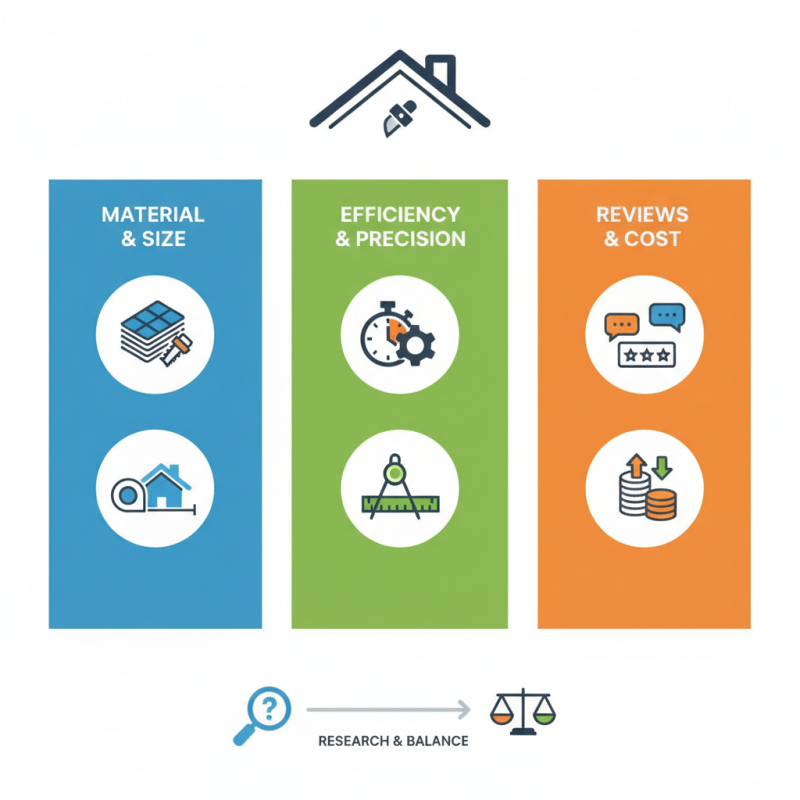
Choosing the right Roof Cutter Machine can significantly impact your roofing projects. It’s not just about cutting; it's about efficiency, precision, and durability. Various models offer different features, and understanding these can help you make the best choice.
When selecting a Roof Cutter Machine, consider the material you will be cutting. Not all machines handle every type of material effectively. Additionally, assess your project's size. A compact machine may suit small jobs, while larger tasks might require a more robust model.
It’s also vital to read reviews and ratings from other professionals. These insights can reveal both strengths and weaknesses of specific machines. Remember, a high price doesn't always equal high quality. Reflect on your specific needs. A perfect machine for one job may fall short on another. Always seek a balance between functionality and cost.
Understanding Different Types of Roof Cutter Machines Available
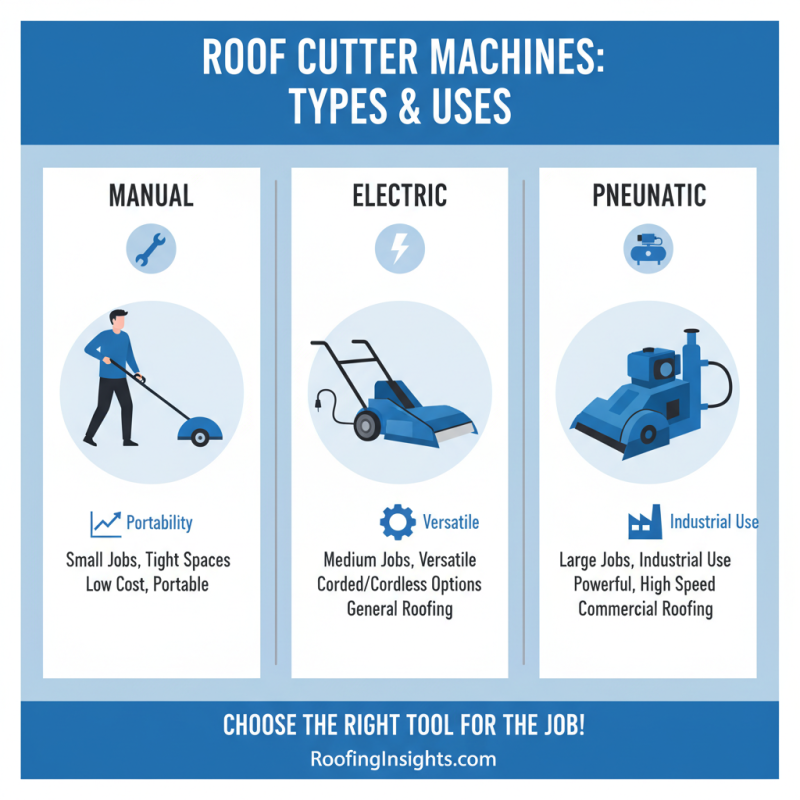
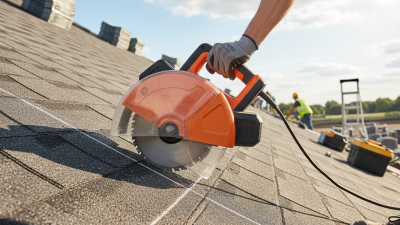
When selecting a roof cutter machine, understanding the different types available is crucial. Roof cutters generally fall into three categories: manual, electric, and pneumatic machines. Each type has its unique advantages and applications in various roofing tasks. According to industry data, manual cutters are often favored for small jobs due to their low cost and portability. They excel in tight spaces where larger machines cannot operate effectively.
Electric roof cutters are increasingly popular in commercial settings. They provide consistent cutting power and efficiency. With advancements in technology, many electric models are now lightweight and easy to maneuver. Pneumatic cutters, on the other hand, offer high-speed cutting and require a compressed air source. They are ideal for larger projects where speed and efficiency are critical. Knowing the specific requirements of your roofing task can help in making the right decision.
Tip: Always consider the roofing material you will be cutting. Different materials may require specialized cutters for optimal results.
Another factor is the ease of maintenance. Electric machines may need regular electrical checks, while pneumatic cutters depend on air compressor efficiency. Many users overlook this aspect. They assume any machine will function lifelong. They do not. Therefore, evaluate your maintenance capabilities. Select machines that align with your skill level and repair access. This decision impacts overall equipment life and performance.
Key Features to Consider When Selecting a Roof Cutter Machine
When selecting a roof cutter machine, several key features demand attention. Portability is crucial. A lightweight design allows for easy transportation and maneuvering on job sites. If your projects vary in location, consider a model that fits comfortably in your vehicle. Oftentimes, heavy machines can hinder efficiency.
Blade quality also plays a vital role. A sharp, durable blade ensures clean cuts, reducing the need for further adjustments. Check if the machine supports blade replacements. Versatility is another major factor. Some machines handle different roofing materials better than others. Evaluate the types of materials you’ll be cutting.
User-friendliness should not be overlooked. Look for machines with intuitive controls. Complex machines can frustrate workers and slow production. Training time impacts project deadlines. Some features may seem advanced but add little to practical use. Thus, assess what functions you actually need. Remember, a simple, reliable machine can often outperform more complicated models.
Key Features to Consider When Selecting a Roof Cutter Machine
Assessing Your Specific Roofing Needs and Requirements
When selecting a roof cutter machine, understanding your specific roofing needs is crucial. Consider the types of roofing materials you frequently handle. Different machines cater to various materials, such as shingles or metal. Assess the thickness of the materials too. Thicker materials require more powerful machines for efficient cutting.
Evaluate the scale of your projects. Are you working on small residential roofs or large commercial buildings? For larger jobs, speed and efficiency become essential. The machine should not only be powerful but also easy to maneuver in tight spaces. Remember that ease of use directly impacts productivity. Don’t overlook the importance of portability; a lightweight machine can simplify transport and setup.
Lastly, seek user feedback and reviews. Learning from others’ experiences can provide valuable insights. You may find details about durability or unexpected challenges. This information can help guide your decision-making. Reflect on your priorities—whether it's price, performance, or features—each factor can significantly influence your choice.
Budget Considerations for Purchasing a Roof Cutter Machine
When considering the purchase of a roof cutter machine, budget is a critical factor. According to recent industry reports, prices for roof cutters can vary significantly, typically ranging from $2,000 to $10,000. A higher price often correlates with greater durability and advanced features. Yet, spending more doesn’t always guarantee quality. It is essential to assess what features are necessary for your projects.
Maintenance costs are also a crucial part of your budget considerations. Regular maintenance can add up. Some studies suggest that about 15% of the total cost of ownership may be due to upkeep. Choosing a machine that is easy to service can save long-term costs. If you overlook this aspect, it could lead to unexpected expenses.
Moreover, evaluate the financial implications of potential downtime. Machines that are less reliable might require more frequent repairs. If a unit breaks down, it could stall your project, causing delays and lost revenue. Investing wisely means not only looking at the upfront costs but also at long-term reliability and efficiency. Understanding these facets can facilitate a better decision that aligns with your operational needs.
How to Choose the Best Roof Cutter Machine for Your Needs? - Budget Considerations for Purchasing a Roof Cutter Machine
| Feature |
Entry Level |
Mid Range |
High End |
| Price Range |
$500 - $1,000 |
$1,000 - $3,000 |
$3,000+ |
| Motor Power |
3 HP |
5 HP |
7 HP or more |
| Cutting Depth |
Up to 2 inches |
Up to 4 inches |
Up to 6 inches |
| Weight |
Less than 30 lbs |
30 - 50 lbs |
50 lbs+ |
| Additional Features |
Basic safety guard |
Adjustable speed, safety features |
Multi-functional, enhanced safety, digital controls |
Maintenance Tips for Longevity of Your Roof Cutter Equipment
Maintaining a roof cutter machine is crucial for prolonging its life and enhancing its efficiency. Regular inspections are essential. According to industry reports, about 30% of equipment failures result from inadequate maintenance. Checking the blade sharpness regularly can prevent excess wear and improve cutting accuracy. A dull blade strains the motor, increasing electricity costs by up to 15%.
Keeping the machine clean is equally important. Debris buildup can affect performance and lead to overheating. Regularly cleaning the internal components can reduce the risk of malfunction. Further, lubricating moving parts can enhance operational smoothness, ensuring efficient performance during peak work hours.
Industry data suggest that machines with a proper lubrication regimen last 20% longer than those that are neglected.
Lastly, consider storing your roof cutter in a dry place. Humidity can lead to rust, compromising the integrity of the machine. Using protective covers can help shield the equipment from moisture and dust accumulation. Operators often overlook these simple practices, which can be reflections on their maintenance habits. Remember, strategic care can yield significant improvements in performance and machine lifespan.