How to Choose the Best Fiber Welder Machine for Your Needs?
Choosing the right Fiber Welder Machine can be a daunting task. The market is filled with various options, each boasting unique features. Understanding your specific needs is crucial. Do you require it for small repairs or large-scale projects? The answer to this question will guide your selection process.
Many users overlook essential aspects when selecting a Fiber Welder Machine. Factors such as power output, ease of use, and specific applications play significant roles. Some machines are user-friendly but lack in functionality. Others excel in performance but may be too complex for beginners. Consider your skill level and intended use carefully.
Investing in a Fiber Welder Machine requires thorough research. Read reviews and compare multiple models. Ask for recommendations from experienced operators. It's advisable to try out machines before making a purchase. Someone might think they've found the perfect machine, only to realize it does not meet all their needs. Take your time; the right choice will improve your welding experience significantly.
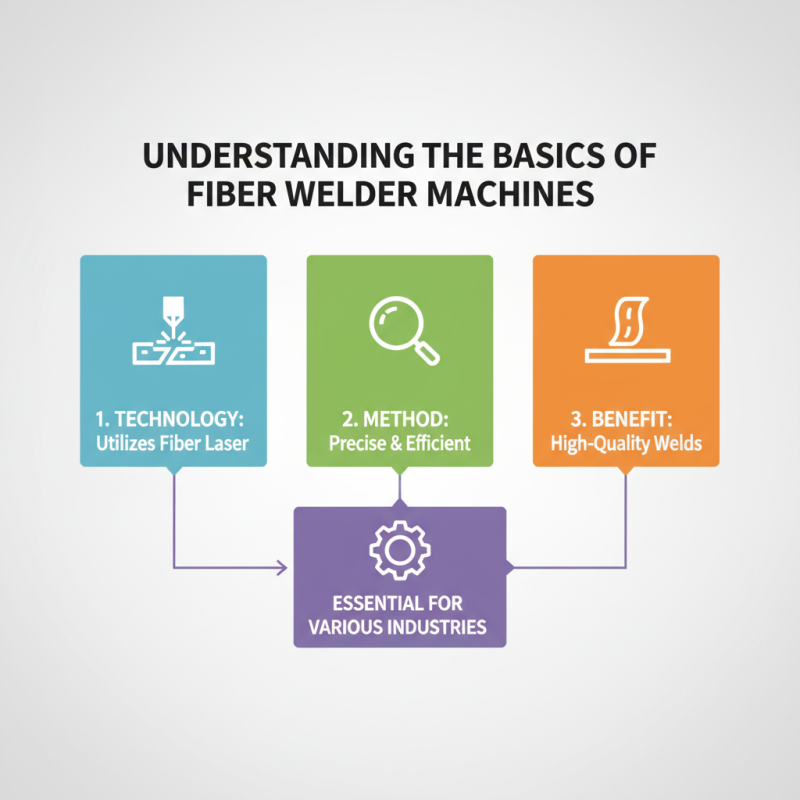
Understanding the Basics of Fiber Welder Machines
Fiber welder machines are becoming essential in various industries. Understanding their basics is crucial before making any decision. These machines use fiber laser technology for welding. This method is precise and efficient, providing high-quality welds.
When choosing a fiber welder, consider your specific needs. Power levels, for instance, vary significantly. A higher wattage often indicates a more powerful machine. However, it may not always be necessary for lighter projects. Think about the materials you often work with. Some machines perform better on specific metals than others.
Ease of use is another factor. Some models may have complex settings that can be confusing. Look for user-friendly interfaces. Training may be necessary, especially for those unfamiliar with laser technology. Mistakes can happen, and crucial reflections on your choices will lead to improvement. Select a machine that balances efficiency and your skill level, ensuring that you can adapt quickly.
Key Features to Consider When Choosing a Fiber Welder
When selecting a fiber welder machine, several key features should be at the forefront of your decision. The power output is crucial. A higher wattage often means faster welding. However, this can also lead to excessive heat. Balance is essential here. Different materials react differently under high temperatures, which may require you to adjust your approach.
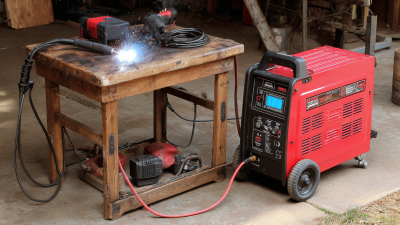
Another important aspect is the portability of the machine. If you plan to work on various sites, a lightweight design can be a game changer. Look for machines with sturdy handles and compact sizes. This will make transport easier. Yet, keep in mind that lightweight models might sacrifice some power or features.
Finally, consider the ease of use. A machine with a user-friendly interface can save you time. Look for features like adjustable settings and intuitive controls. However, these can also mean more complexity. Sometimes, simplicity in design can lead to better results. Weigh these factors carefully to meet your specific welding needs.
Comparing Different Types of Fiber Welder Machines
When choosing a fiber welder machine, it's essential to compare the different types available. Fiber welding technology has evolved rapidly, making it necessary to consider specific factors. For instance, there are handheld and stationary models, each tailored for unique applications. Handheld units offer flexibility, while stationary machines provide stability for larger projects.
Industry reports indicate that fiber welders can reach speeds of up to 30 meters per minute. This increases productivity significantly in manufacturing settings. However, not all machines are created equal. Some may lack software updates that enhance performance, which can lead to inefficiencies. A machine that is perfect for one project might not be suitable for another.
While many fiber welder machines come with advanced features, operators must examine whether they truly need them. The inclusion of unnecessary functions can inflate costs without adding value. A focus on essential features might lead to better investment choices. Reflecting on your specific needs will help in selecting the right type of fiber welder machine. Keep in mind that not every machine will meet your expectations.
Assessing Your Specific Welding Needs for Optimal Choice
When selecting a fiber welder machine, understanding your specific welding needs is crucial. Different applications require different capabilities. For instance, metal thickness and material type are key factors. According to a 2021 industry report, 65% of welders use machines suited for plate thickness between 1-6 mm. If you're working consistently within this range, your machine choice narrows significantly.
Additionally, think about the environment you will be welding in. Indoor vs. outdoor welding can affect your choice too. Machines designed for outdoor use often have added durability features. The same report indicates that 50% of welders prefer machines with portable designs. This highlights the importance of mobility in various settings.
Reflecting on your experience can also guide you. For example, if you've faced challenges with speed and precision, a machine with adjustable parameters might serve you better. Compatibility with different welding processes, such as TIG or MIG, is another consideration. Recognizing these specifics can help prevent potential frustrations that arise from mismatched equipment.
Fiber Welder Machine Capability Comparison
Budgeting for Your Fiber Welder Machine Purchase
When budgeting for a fiber welder machine, it's essential to consider the total cost of ownership. A report by the American Welding Society highlights that initial purchase price is just the beginning. Maintenance costs, consumables, and electricity use also add to the overall expense. Some machines may seem cheap upfront, but they require frequent repairs, leading to higher long-term costs.
Another factor to consider is the capability of the machine. According to industry experts, machines that can handle a wider range of materials tend to cost more. This can be a good investment if you frequently work with various metals. Additionally, unexpected expenses can arise. For instance, if you buy a basic model but later need advanced features, you may end up spending more.
It is also worth reflecting on your production needs. If your projects are sporadic, a costly machine might not be justified. Conversely, for larger operations, investing in a high-quality machine could lead to higher productivity and reduced downtime. Ultimately, a careful review of your budgeting and needs will lead to a more informed decision in selecting a fiber welder machine.
How to Choose the Best Fiber Welder Machine for Your Needs? - Budgeting for Your Fiber Welder Machine Purchase
| Feature |
Description |
Price Range |
| Power Output |
Essential for determining the maximum material thickness that can be welded. |
$2,000 - $10,000 |
| Welding Speed |
Indicates how quickly the machine can perform welding tasks. |
$1,500 - $8,000 |
| Portability |
Weight and design that allow for easy transportation to job sites. |
$1,000 - $5,000 |
| User Interface |
Ease of use and access to controls and settings for operators. |
$800 - $3,000 |
| Maintenance Requirements |
Frequency and ease of maintenance tasks for optimal performance. |
$500 - $2,000 |
| Warranty Period |
Length of warranty and coverage for parts and labor. |
Included with purchase |
| Additional Features |
Laser technology, automated features, and compatibility with various materials. |
$1,000 - $6,000 |