How to Use a Roof Cutter Machine Effectively for Your Projects?
In the roofing industry, efficiency and precision are vital. The "Roof Cutter Machine" plays a crucial role in achieving these goals. According to a 2022 report by the National Roofing Contractors Association, projects using advanced cutting equipment complete 30% faster. This statistic emphasizes the importance of utilizing the right tools.
Experts like Mike Johnson, a noted authority in roofing technology, stress the significance of mastery over equipment. He states, "Understanding how to operate a Roof Cutter Machine is key to maximizing productivity." His insight highlights that simply having the machine is not enough; operators must be skilled.
Common challenges arise when users lack proper training or overlook maintenance. A poorly maintained Roof Cutter Machine can lead to inaccuracies and delays. Small miscalculations in cutting can cause material waste, leading to added costs. Embracing best practices ensures that projects run smoothly and meet deadlines. As the industry evolves, mastering technology becomes imperative.
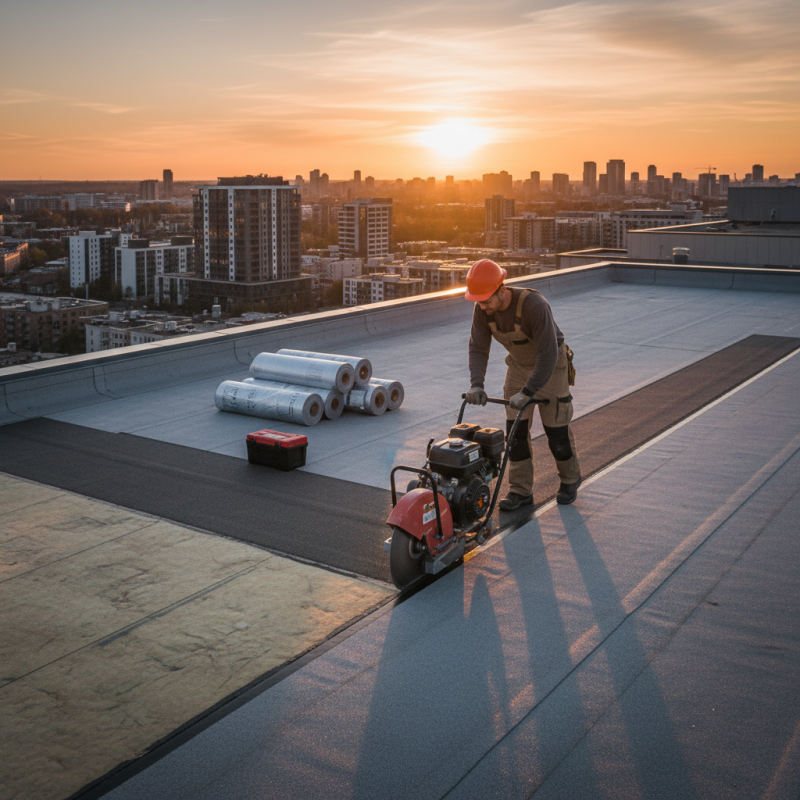
Benefits of Using a Roof Cutter Machine in Roofing Projects
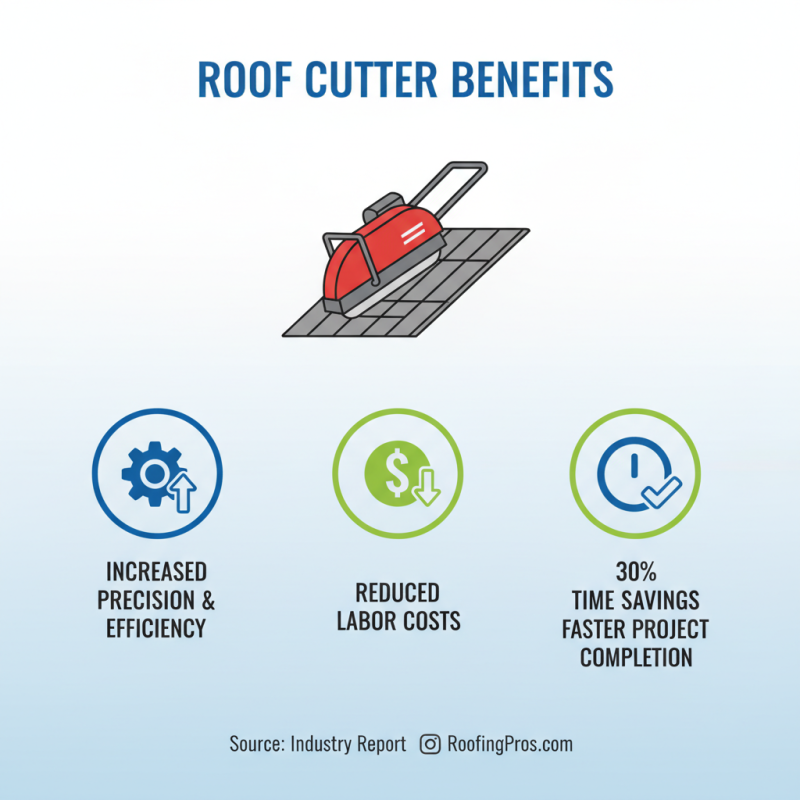
The benefits of using a roof cutter machine in roofing projects are significant. This machine enhances precision and efficiency, reducing labor costs. According to a recent industry report, roofing workers save up to 30% of time on projects by using roof cutters. This efficiency allows teams to complete jobs faster while maintaining high-quality standards.
Moreover, roof cutter machines minimize material waste. Traditional cutting methods can lead to excess scrap, which increases expenses. A study indicated that using a roof cutter can reduce waste by 25% or more during the installation process. This not only benefits the budget but also aligns with sustainable building practices.
Despite the advantages, some users encounter challenges. Learning to operate the machine takes time and practice. Improper use can result in inaccuracies, leading to costly mistakes. Additionally, ongoing maintenance of the equipment is essential for optimal function. Regular checks can prevent breakdowns and prolong the machine's life. These reflections remind users to invest in proper training and maintenance plans.
Understanding the Different Types of Roof Cutter Machines Available
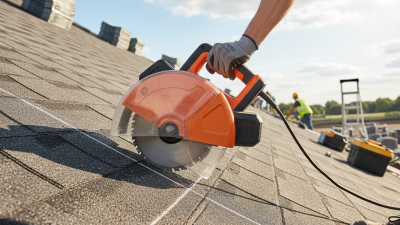
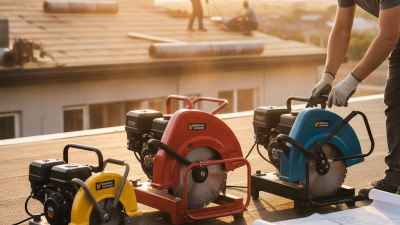
When diving into the world of roof cutter machines, it's essential to know the various types available. Each type serves different purposes and project requirements. For instance, the handheld roof cutter is perfect for small jobs or tight spaces. It offers portability but can be less powerful compared to larger models.
On the other hand, walk-behind roof cutters provide greater cutting power and stability. They are ideal for larger roofing projects but can be cumbersome. Understanding the dimensions and weight of the machine is crucial. A heavy model may not be suitable for all users. Some might find it challenging to maneuver on uneven surfaces.
There are also specialized roof cutters designed for specific materials, such as metal or asphalt. Each has unique blade requirements and cutting techniques. Users must be cautious and aware of the machine's limitations. Overconfidence in a machine’s capabilities can lead to mistakes or safety risks. It's important to assess the job at hand and choose the right cutter appropriately.
How to Use a Roof Cutter Machine Effectively for Your Projects? - Understanding the Different Types of Roof Cutter Machines Available
| Machine Type |
Cutting Capacity (inches) |
Weight (lbs) |
Power Source |
Best For |
| Electric Roof Cutter |
12 |
50 |
Electric |
Residential Use |
| Gas-Powered Roof Cutter |
16 |
75 |
Gasoline |
Commercial Use |
| Cordless Roof Cutter |
10 |
30 |
Battery |
Minimal Projects |
| Manual Roof Cutter |
8 |
20 |
None |
DIY Projects |
Essential Safety Precautions When Operating a Roof Cutter Machine
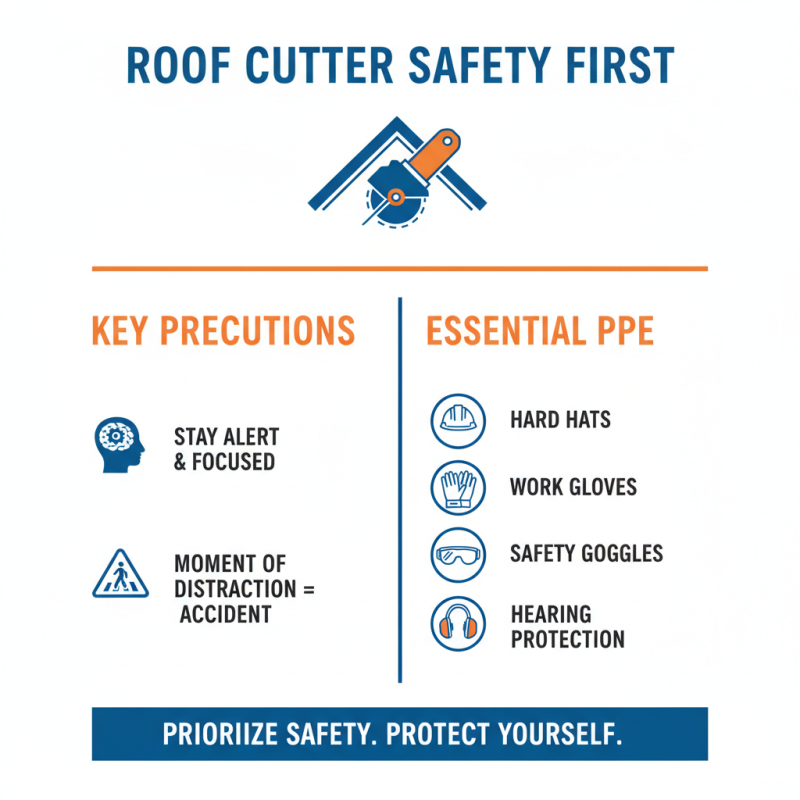
Operating a roof cutter machine can be dangerous. It is essential to prioritize safety. Always wear appropriate personal protective equipment (PPE). Hard hats, gloves, and safety goggles are a must. Hearing protection is also important if the machine is loud. A moment of distraction can lead to accidents.
Before starting, inspect the machine thoroughly. Check for any signs of wear or damage. Ensure that all safety features are functioning. It’s wise to familiarize yourself with the machine’s manual. If unsure, ask a qualified colleague for guidance. Avoid loose clothing, which can easily get caught. It’s easy to overlook these details, but they are crucial.
While operating, maintain a clear work area. Keep all tools and materials organized. This prevents tripping hazards and distractions. If fatigue sets in, take a break. It’s better to pause than risk injury. Remember, safety is not just about using the machine correctly. It’s also about being aware of your surroundings. Power tools demand your full attention. Reflecting on your practices regularly can improve your safety skills.
Steps for Setting Up and Calibrating Your Roof Cutter Machine
Setting up a roof cutter machine requires careful attention to detail. Begin by selecting a stable surface for installation. Ensure your workspace is clean and free of debris. Check all components for damage or wear. If you notice anything unusual, it may be best to replace parts before proceeding.
Next, calibrate the machine according to the manufacturer's instructions. This often involves adjusting the blade height and angle for optimal performance. Use a measuring tool to verify that everything is aligned correctly. A miscalibrated cutter can lead to uneven cuts. This mistake can waste materials and time.
Tips to remember: Regularly check your blade for sharpness. A dull blade increases the risk of accidents and poor cuts. Also, always wear appropriate safety gear during operation. It can be easy to forget, but safety should always come first. Don't rush the calibration process; taking your time can prevent issues later on. Reflect on whether you've followed every step carefully. Missing a small detail can lead to big problems down the line.
Maintenance Tips for Ensuring Longevity of Your Roof Cutter Equipment
Regular maintenance of your roof cutter equipment is crucial for its longevity. Research shows that properly maintained tools can last up to 30% longer than those neglected. Start by thoroughly cleaning the machine after each use. Dust and debris can affect the blade's performance. Ensure that all parts are free from buildup.
Lubrication is another key factor. Moving components should receive regular lubricant. Industry studies indicate that lack of lubrication can lead to wear and tear, shortening tool life. Inspect the blades for sharpness. Dull blades require more effort, potentially causing unwanted strain on the machine. If you notice a decrease in cutting efficiency, it may be time to sharpen or replace the blades.
It’s also wise to periodically check electrical components. Loose connections can create hazards and inefficiencies. Keep an eye on the power supply, ensuring that it meets necessary standards. These steps contribute significantly to the effective operation of your roof cutter, enhancing both safety and performance on the job site. Regular inspections can help catch issues before they become costly problems.
Roof Cutter Machine Usage and Maintenance Overview