Essential Tips for Choosing the Best Mig Welding Machine?
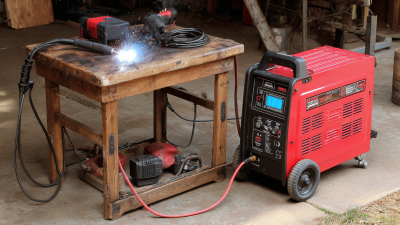
Choosing the right Mig Welding Machine can significantly impact your welding projects. According to welding industry expert John Smith, "A good machine can turn a novice welder into a master." This highlights the importance of selecting the best equipment for your needs.
When exploring the options, consider the machine's power and features. Machines vary in capabilities, making it essential to match one with your specific tasks. Short-circuit and spray transfer modes are critical. Additionally, pay attention to the duty cycle; longer use demands higher ratings. Some users may find the learning curve steep, especially with advanced models.
Don’t forget about portability and weight. A heavy machine may not suit all workspaces. Evaluate where you will use it most frequently. Lastly, while you can find budget options, investing a bit more often translates to superior performance. Reflect on your choice. Selecting the right Mig Welding Machine is an investment in your skills and successful projects.
Understanding MIG Welding: A Brief Overview
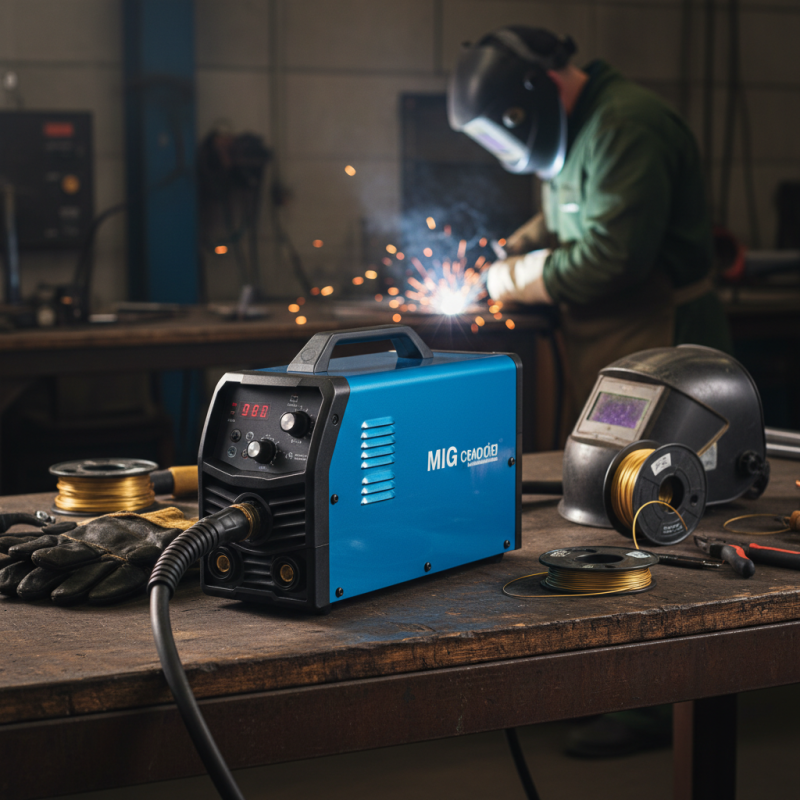
MIG welding, short for Metal Inert Gas welding, is a popular method among metal fabrication professionals. It uses a continuous wire feed as an electrode. This process is efficient and versatile, making it suitable for various materials. According to a 2022 industry report by the American Welding Society, around 40% of welders prefer MIG for its speed and ease of use.
Understanding the specifics of MIG welding is crucial. The process involves feeding a wire through the welding gun and creating an arc between the wire and the workpiece. Shielding gas protects the weld from contaminants. This aspect significantly reduces the risk of defects, creating stronger welds. Yet, the quality of the weld also depends on adjusting parameters like voltage and feed speed, which can sometimes lead to trial and error.
While MIG welding is user-friendly, it does require skill to master. Beginners often face challenges when learning to manage the arc length and travel speed. A slight deviation can result in poor penetration or excessive spatter. Continuous learning and practice are necessary to refine these skills. Reports show that 30% of new welders experience difficulties during initial training. Understanding these nuances can help you make informed choices when selecting your welding machine.
Essential Tips for Choosing the Best MIG Welding Machine
This bar chart represents the key features to consider when selecting a MIG welding machine, based on their importance rating. The features include Duty Cycle, Amperage Range, Weight, and Price.
Assessing Your Welding Needs: Hobbyist vs. Professional Use
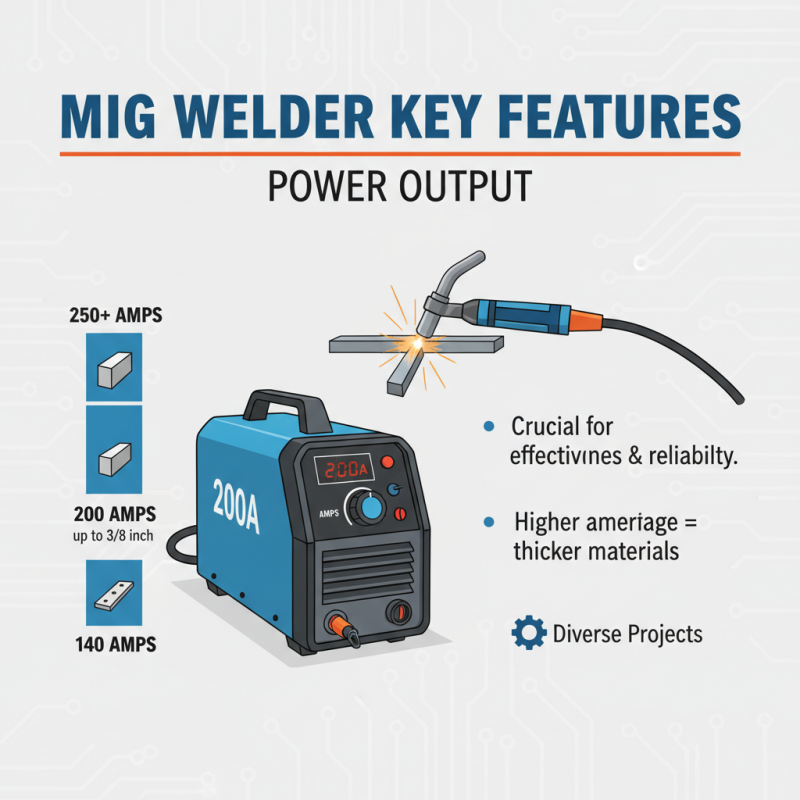
When choosing a MIG welding machine, it's crucial to assess your specific needs. Hobbyists typically require machines that are portable and user-friendly. These machines should handle various materials but may not need advanced features. A survey by the American Welding Society indicated that over 40% of hobbyists prefer machines under 200 amps. This ensures that they are manageable and less complex.
On the other hand, professional welders often seek machines capable of heavy-duty work. They need units that can manage high voltages and provide consistent results across different materials. According to industry data, professional settings often require machines with a minimum output of 250 amps. These machines tend to have advanced controls and better build quality. While professionals can handle more sophisticated equipment, the learning curve may be steeper.
It's important to reflect on your long-term goals. A hobbyist may choose a versatile yet limited machine initially. However, they might outgrow its capabilities quickly. Professionals should invest in higher-quality machines, but they must also consider maintenance costs. The right choice balances current needs against future projects.
Budget Considerations: Finding Quality Within Your Price Range
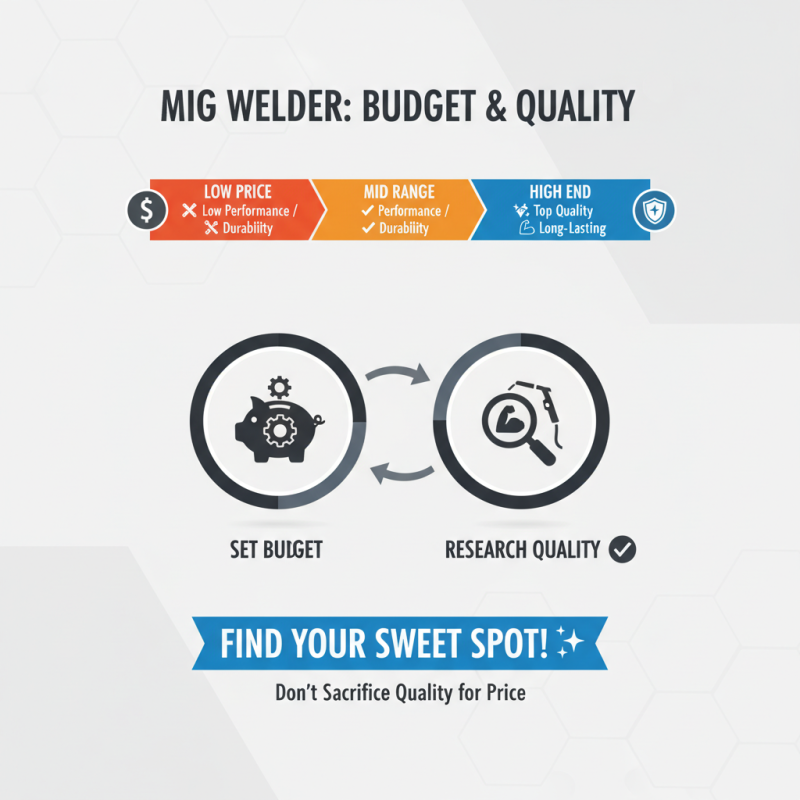
When you're on the hunt for a MIG welding machine, budget plays a crucial role. Understanding your financial limits can direct you toward suitable options without sacrificing quality. It's vital to establish a price range that reflects your needs. A lower price might tempt you, but it often comes at the cost of performance and durability.
Consider the features you truly require versus those that sound appealing but are unnecessary. Some machines might offer advanced settings, yet they could be excessive for basic tasks. Reading reviews can give insight into the reliability of machines within your budget. However, discerning genuine feedback from promotional content can be challenging.
It's also beneficial to factor in additional costs like gas, wire, and safety gear. Failures in planning these aspects can lead to spending more than anticipated. Sometimes, a seemingly "limited" budget option turns out to be the smarter choice. Investing a bit more upfront might save you from frequent repairs down the line. Finding the right balance between quality and budget is not straightforward—it requires careful thought and sometimes, painful lessons.
Maintenance Tips for Extending Your MIG Welder's Lifespan
Taking care of your MIG welder is essential for its longevity. Regular maintenance can significantly extend its lifespan. Start by keeping the machine clean. Dust and debris can hinder performance. Wipe down the exterior often. Ensure the contact tips and nozzles are free from spatter. Check for any wear or damage. Replace anything that looks worn out to maintain efficient welding.
Next, focus on the gas supply. Always check for leaks. A good seal is vital for effective operation. Inspect hoses and connections regularly. They should not be cracked or worn. Also, monitor the gas levels. Running low can lead to poor weld quality. Finally, listen to your machine. Unusual noises can indicate problems. Address them promptly to avoid bigger issues later.
Neglecting maintenance can lead to costly repairs. It's not just about welding; it’s about ensuring reliable performance over time. Each welder has its quirks. Take the time to understand them. Keeping a maintenance log can help track servicing needs. A proactive approach makes all the difference in extending your welder’s life.