10 Essential Tips for Choosing the Best Portable Tig Welder in 2023
In the ever-evolving landscape of welding technology, the demand for Portable Tig Welders has surged, reflecting a broader trend toward versatility and convenience in the industry. According to a report by MarketsandMarkets, the global welding equipment market is projected to reach $31.67 billion by 2026, with portable welding solutions playing a crucial role in this growth. This increase is driven by the need for efficient welding techniques in sectors such as construction, manufacturing, and automotive, where mobility and customization of welders are paramount.
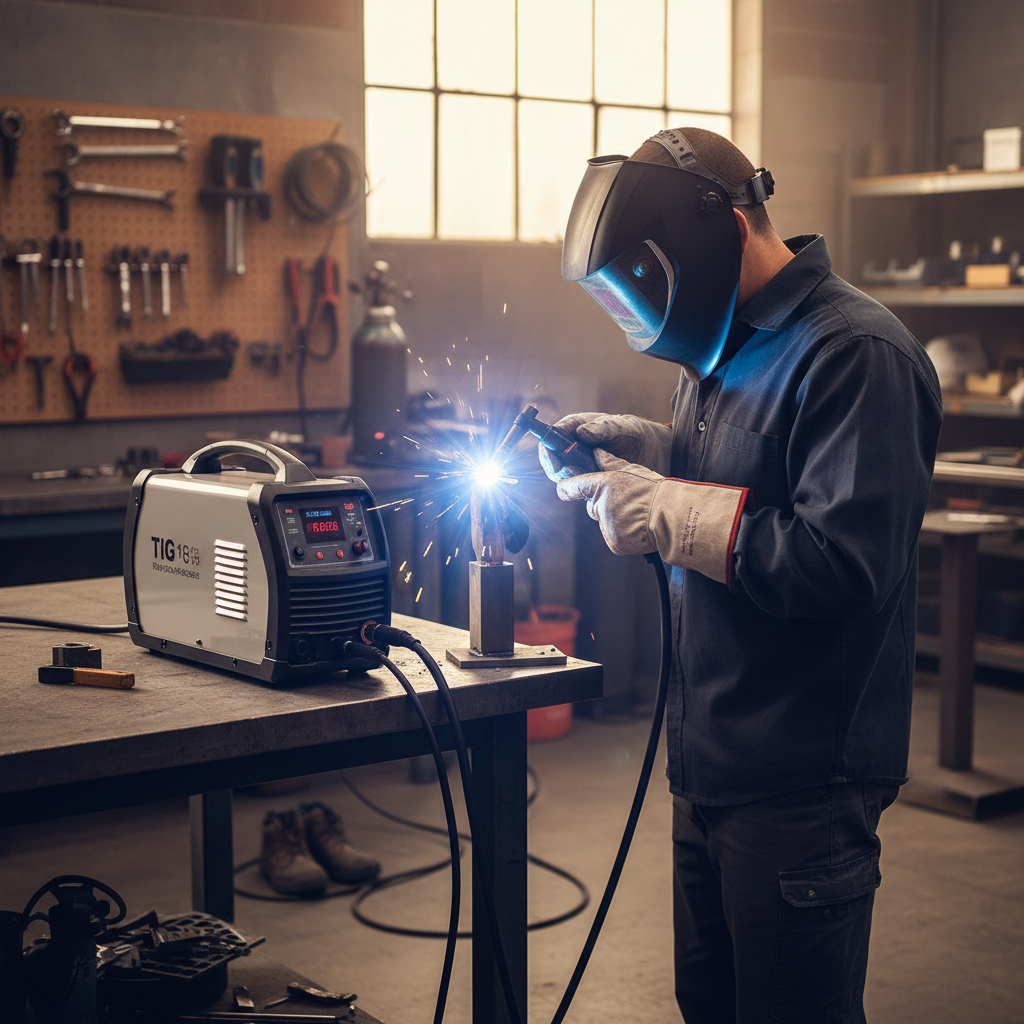
Choosing the right Portable Tig Welder can significantly impact the quality of your work and productivity. With advancements in inverter technology and the introduction of lightweight materials, modern portable welders offer exceptional performance without sacrificing portability. For instance, a recent study highlighted that approximately 70% of professional welders reported increased job efficiency due to the use of portable equipment. As we delve into the top five essential tips for selecting the best Portable Tig Welder in 2023, it's essential to consider factors such as power output, duty cycle, and user-friendly features that cater to both novice and experienced welders alike. These insights aim to empower welders to make informed decisions that align with their specific needs and project requirements.
Key Features to Look for in a Portable Tig Welder
When selecting the best portable TIG welder in 2023, there are several key features to consider to ensure optimal performance and convenience. First and foremost, the welder’s power output is crucial. Look for machines that offer adjustable amperage settings, allowing you to work on various materials and thicknesses. Higher power output provides flexibility but may also lead to increased weight, so find a balance that suits your mobility needs.
Another essential feature is the duty cycle, which indicates how long the welder can operate before requiring a cooldown period. For portable use, a welder with a duty cycle of at least 60% at a given amperage will enable you to work more efficiently without frequent breaks. Additionally, consider the welder's weight and design. A lightweight model with a compact design makes transportation easier, especially if you're frequently on the move.
Lastly, look for user-friendly controls and an intuitive interface. This will not only enhance your welding experience but also reduce the learning curve for beginners. Investing in a machine that combines these features will ensure that you have a reliable and effective portable TIG welder for all your projects.
Understanding Different Power Sources for Portable Tig Welders
When choosing a portable TIG welder, understanding the different power sources available is crucial for both performance and convenience.
Inverter-based welders are gaining popularity due to their lightweight design and ability to produce high-quality welds.
These machines convert electrical energy efficiently, allowing them to be more portable while still delivering substantial power for various welding applications.
Models like the compact units recently introduced showcase these advancements, making them ideal for both professional and hobbyist welders.
Additionally, the variety of power sources, such as single-phase and three-phase options, can significantly affect the welder's capabilities.
For instance, a 220V single-phase power source is typically sufficient for home-based projects, whereas more demanding work might require a three-phase setup, offering increased output.
With innovations in technology, new models continue to emerge, designed for improved efficiency and user-friendliness, ensuring that welders of all levels can find the right equipment to meet their needs.
Understanding these factors will guide you in selecting a portable TIG welder that aligns with your specific requirements.
Weight and Size Considerations for Enhanced Portability
When selecting a portable TIG welder, weight and size are critical factors that significantly impact usability and convenience. For professionals constantly on the move or hobbyists who need to transport their equipment, a lighter welder can make a substantial difference. Generally, models weighing below 50 pounds are considered highly portable. They enable easier handling and transportation without sacrificing performance. It’s crucial to evaluate not just the weight but also the dimensions of the welder to ensure it fits comfortably in your workspace or vehicle.
Additionally, compact designs can enhance portability without compromising functionality. Many manufacturers are now producing TIG welders with innovative designs that optimize space, allowing for easier storage and transport. Look for features like built-in handles or those that can be secured in various positions. A smaller footprint can also enable operation in tight or less conventional spaces, which is invaluable for fieldwork.
Ultimately, identifying the right balance between portability, weight, and performance will ensure that you choose a welder that meets both your mobility needs and welding requirements.
Evaluating Duty Cycle and Amperage for Your Welding Needs
When selecting a portable TIG welder in 2023, evaluating the duty cycle and amperage is crucial to meet your specific welding requirements. The duty cycle, typically expressed as a percentage, indicates the amount of time a welder can operate continuously within a ten-minute period before it needs to cool down. For instance, a welder with a 60% duty cycle can operate for six minutes at maximum output, then must cool for four minutes. Choosing a machine that matches your expected workload is essential; if your projects require long continuous runs, look for models with a duty cycle of 80% or higher to avoid downtime.
Amperage is another critical factor, as it determines the thickness of material you can effectively weld. Most TIG welders operate within a range of 10 to 250 amps, but certain models can exceed this. According to the American Welding Society, the standard amperage used for welding aluminum and stainless steel is around 130 to 150 amps for materials up to 1/8 inch thick. For thicker materials, such as 1/4 inch and above, consider welders that can sustain 200 amps or more. Understanding these specifications will help you choose a portable TIG welder that not only fits your mobility needs but also delivers the power necessary for your specific applications.
2023 Portable TIG Welder Duty Cycle and Amperage Comparison
Budgeting Wisely: Finding Balance Between Cost and Quality
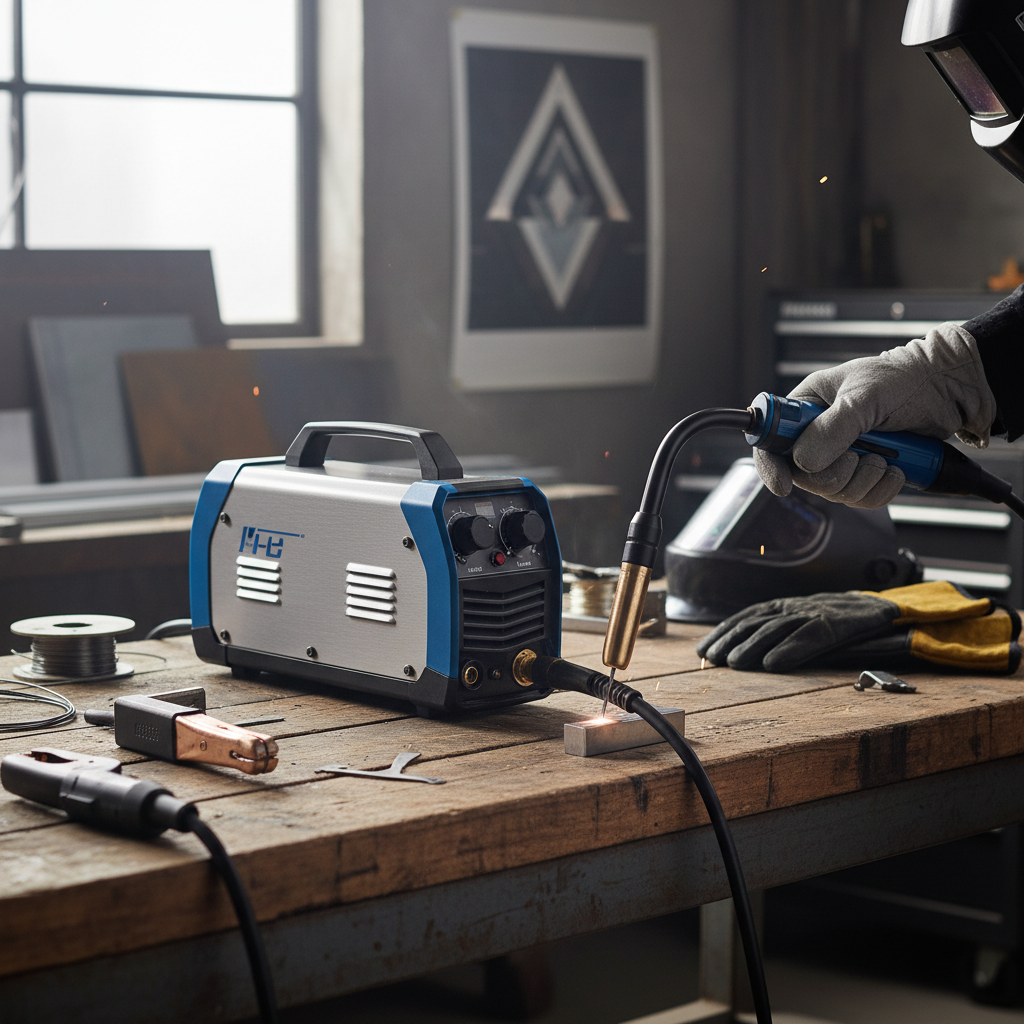
When selecting a portable TIG welder in 2023, budgeting wisely is crucial to finding the right balance between cost and quality. Recent industry reports suggest that the average price of portable TIG welders ranges from $200 to $3,000, depending on the features and capabilities offered. A study by the Welding Equipment Manufacturers Association (WEMA) reveals that those who invest between $500 and $1,500 typically enjoy more reliable performance and longer lifespans compared to models at the lower end of the price spectrum. This investment can prove worthwhile, particularly for professionals who require precision and consistency in their welding projects.
Moreover, a strategic approach to budgeting should also take into account the welder's duty cycle and efficiency. According to a report by the American Welding Society, welders with a duty cycle of 60% or higher substantially reduce downtime and enhance productivity for users. For instance, spending a bit more on a welder that offers a 70% duty cycle could lead to savings in time and material costs over the long haul. By weighing these factors carefully alongside the initial purchase price, welders can ensure they select a model that meets both their financial constraints and performance needs.