Shandong Popweld Automatic Equipment Co., Ltd.

Leave Your Message

10 Essential Tips for Using a Weld Roller Carriage Effectively?

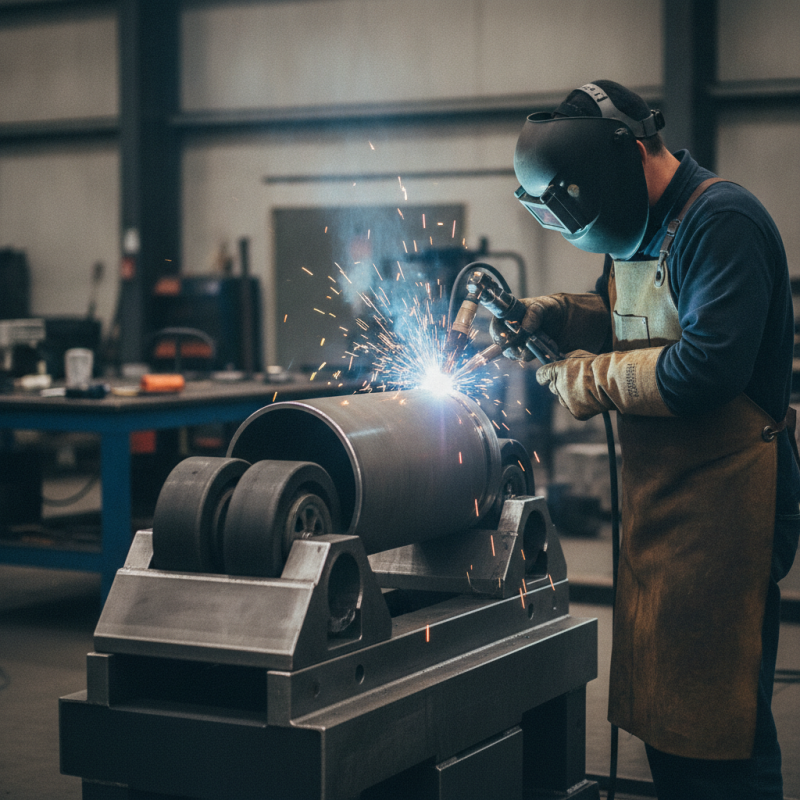
In the world of welding, the "Weld Roller Carriage" stands out as an important tool for achieving seamless connections. This device increases efficiency and precision in welding applications. It supports the workpiece, allowing for smoother movement and reduced strain on the welder.

Using the Weld Roller Carriage effectively requires understanding its nuances. Many operators overlook aspects that could enhance their workflow. For instance, the setup of the carriage can significantly affect the quality of the weld. A slight misalignment might lead to imperfect joints, prompting the need for rework.

Experienced welders often share tips that can dramatically improve results. Knowing how to adjust speed and tension can make a difference. Sometimes, even the most seasoned professionals recognize areas for improvement. Reflecting on past projects can provide insights into better carriage use. There’s always room for growth.
10 Essential Tips for Using a Weld Roller Carriage Effectively?

Understanding the Basics of Weld Roller Carriages

10 Essential Tips for Using a Weld Roller Carriage Effectively?

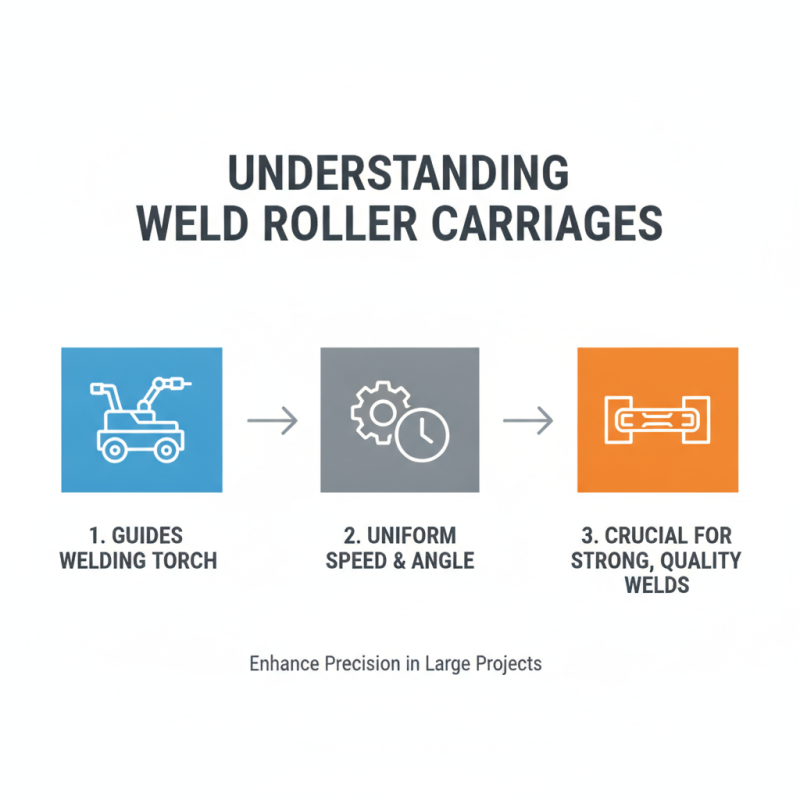
Weld roller carriages are essential for achieving precise welding results in large and complex projects. Understanding how they work can improve your efficiency. These carriages help guide the welding torch or electrode smoothly along the workpiece, maintaining a uniform speed and angle. This consistency is crucial for strong, quality welds.

Operating a weld roller carriage effectively requires a grasp of its setup and adjustment. Begin by ensuring the workpiece is secured properly. Check the alignment of the carriage with the welding path. Minor adjustments can significantly affect the outcome. Pay attention to the speed setting. Too fast may cause weak welds, while too slow could lead to excessive heat and warping.

Reflecting on common mistakes is valuable. Many users overlook the importance of regular maintenance. Clean the rollers and inspect for wear and tear. A neglected carriage can produce inconsistent results. Remember, achieving expertise in using weld roller carriages involves both practice and learning from errors. Embrace challenges as opportunities for improvement.

Choosing the Right Weld Roller Carriage for Your Project

When selecting a weld roller carriage, it's crucial to consider your project's unique needs. Factors such as weight capacity, the material being welded, and the dimensions of the workpieces should guide your choice. For instance, a carriage with a capacity of 2,000 pounds can handle substantial steel components, while lighter options serve thinner materials better.

Data from industry reports indicate that 70% of welding inefficiencies stem from inadequate equipment choice. A weld roller carriage should fit not just the job, but also the workspace. Maneuverability and ease of adjustment are vital. Many welders note that flexible carriages increase productivity. Yet, single-track designs can create challenges in tight spaces.

Bear in mind that not every carriage suits every application. Some are designed for flat surfaces, while others excel on curves. Continuous learning is needed in this field to adapt to evolving techniques and materials. Investing time in research can reduce trial and error. Reflecting on past projects often reveals that the right equipment makes a significant difference in outcome quality and efficiency.

Setting Up Your Weld Roller Carriage for Maximum Efficiency

Setting up your weld roller carriage properly is crucial for achieving maximum efficiency and optimal weld quality. Research from the American Welding Society indicates that incorrect setup can reduce productivity by up to 30%. Attention to detail during setup can prevent these costly errors.

Positioning the carriage correctly is vital. Ensure it aligns perfectly with the weld joint. If the alignment is off, the weld may become inconsistent. A simple tip: take time to double-check the measurements before proceeding. This small step can save hours of rework later.

Another critical aspect is adjusting the speed of the weld roller carriage. According to recent industry studies, the optimal speed can vary based on material thickness. For instance, thicker materials may require slower speeds for deeper penetration. Be prepared to make adjustments as you work. Regularly evaluate the weld quality as you proceed.

Finally, consider the need for routine maintenance. A well-maintained weld roller carriage operates efficiently and enhances safety. Neglecting maintenance could lead to unexpected breakdowns, resulting in downtime. Reflect on your setup practices; even minor oversights can lead to major setbacks.

Weld Roller Carriage Usage Efficiency

Safety Tips While Using a Weld Roller Carriage

10 Essential Tips for Using a Weld Roller Carriage Effectively?

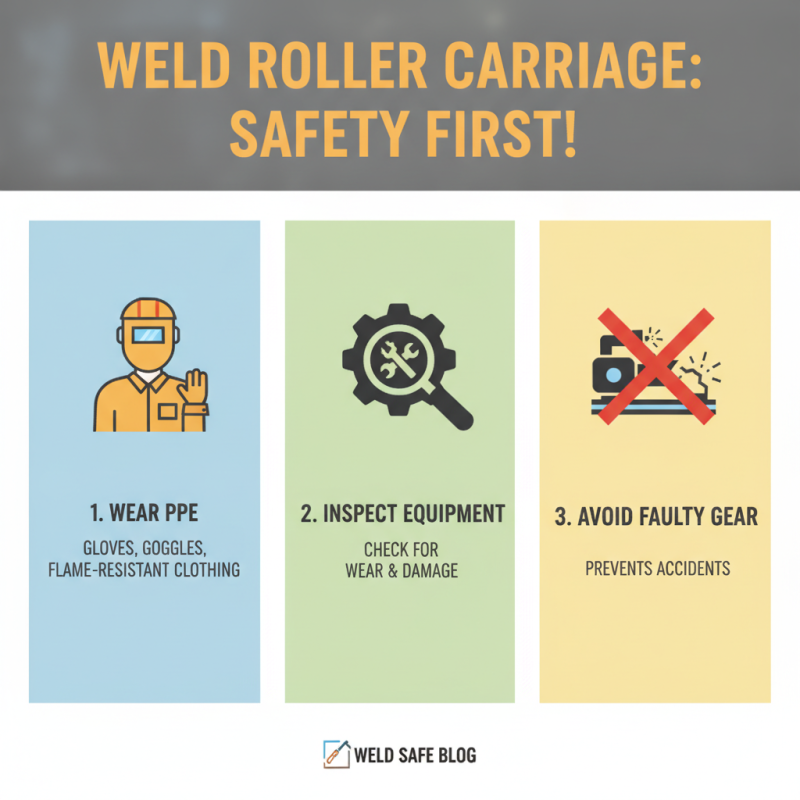
Using a weld roller carriage can enhance your welding projects. However, safety must always come first. Before you start, ensure you're wearing appropriate personal protective equipment (PPE). This includes gloves, goggles, and non-flammable clothing. It’s crucial to check your equipment for any wear or damage, as faulty gear can lead to accidents.

While operating the carriage, stay focused and keep your workspace tidy. Clutter can distract you and lead to dangerous situations. Always maintain a safe distance from hot surfaces. Remember, the risk of burns is high. If you're inexperienced, consider having a more seasoned operator nearby for guidance. It’s easy to overlook important safety measures in the heat of the moment.

Lastly, never ignore the importance of ventilation. Proper airflow helps reduce exposure to harmful fumes. Take breaks if you feel dizzy or lightheaded. Keeping your mind clear is vital for effective welding. Regularly reassess your safety practices to avoid complacency. Making small changes can significantly improve your overall safety.

Maintenance Practices for Prolonging Weld Roller Carriage Lifespan

Maintaining a weld roller carriage is crucial for extending its lifespan. Regular inspections should be part of your routine. Check for signs of wear and tear on wheels and frames. Rust can develop quickly, so ensure all components are free from corrosion. Applying a protective coating can help.

Using the weld roller carriage properly contributes to its longevity. Ensure that loads are evenly distributed. Overloading can lead to mechanical failure. Keep the wheels clean to prevent any dirt buildup that can hinder movement. Always follow safety protocols when operating the carriage.

Develop a clear maintenance schedule. Lubricate moving parts regularly; this can significantly reduce friction. Pay attention to any unusual noises during operation. These could indicate potential issues. Regularly adjust the height and alignment for optimal performance. By following these practices, you can greatly enhance the effectiveness and lifespan of your equipment.

10 Essential Tips for Using a Weld Roller Carriage Effectively

Tip # Description Importance Maintenance Frequency
1 Regularly inspect the carriage for wear and damage. Prevents unexpected breakdowns Monthly
2 Keep the rollers clean and free from debris. Ensures smooth operation Weekly
3 Lubricate moving parts regularly. Reduces friction and wear Monthly
4 Adjust settings according to the material thickness. Improves welding quality As needed
5 Ensure proper alignment of the workpiece. Prevent defects in the weld Every use
6 Train operators on the correct usage. Enhances safety and efficiency Annual
7 Use appropriate welding settings for different materials. Optimizes welding performance As needed
8 Store the weld roller carriage in a dry, clean environment. Prevents rust and corrosion Always
9 Monitor and replace worn-out parts promptly. Maintains operational efficiency Monthly
10 Document maintenance activities and service history. Helps track performance and issues Ongoing