10 Essential Tips for Using a Welding Cut Machine Effectively?
Using a Welding Cut Machine requires skill and care. It is an essential tool in metal fabrication. Whether you’re a beginner or an expert, understanding its use can make a difference. This powerful machine can cut through metal quickly. However, improper use can lead to poor results or accidents.
Mastering the Welding Cut Machine is crucial for quality outcomes. Many users underestimate the importance of setup and safety. A few moments spent preparing can prevent hours of rework later. Additionally, understanding the machine’s capabilities ensures efficient operations. This guide highlights ten essential tips to enhance your techniques. It can help avoid common pitfalls that novices face.
Reflect on your experience as you read these tips. Each guideline offers insight into effective use. While no one becomes an expert overnight, improvement is possible through practice. Being mindful of these tips can elevate your skills. Embrace both successes and shortcomings in your journey with the Welding Cut Machine.
Understanding the Basics of Welding Cut Machines for Beginners
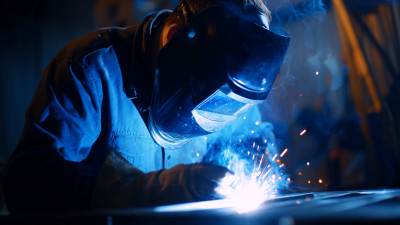
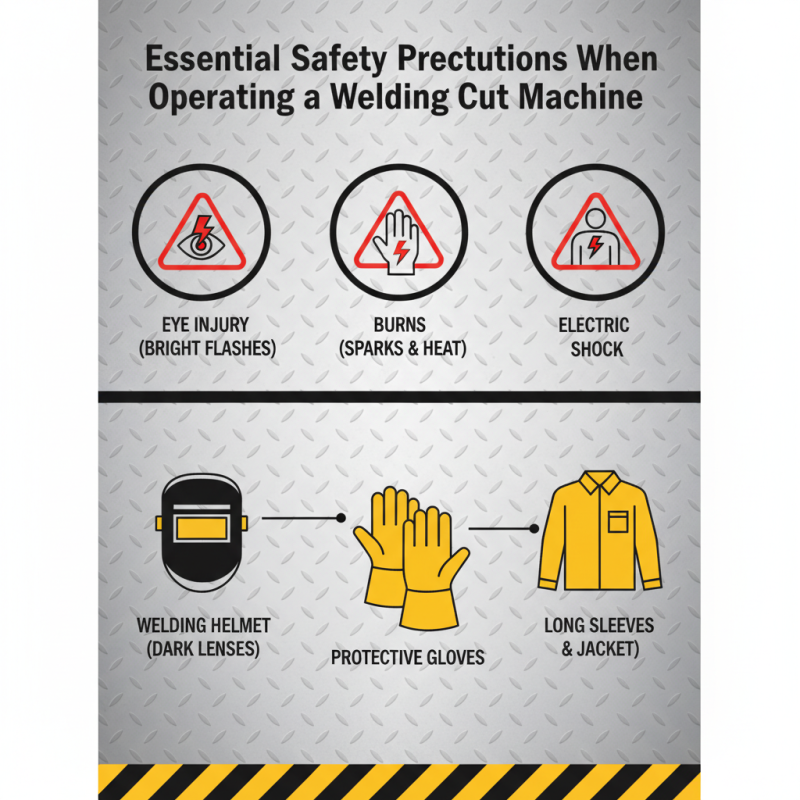
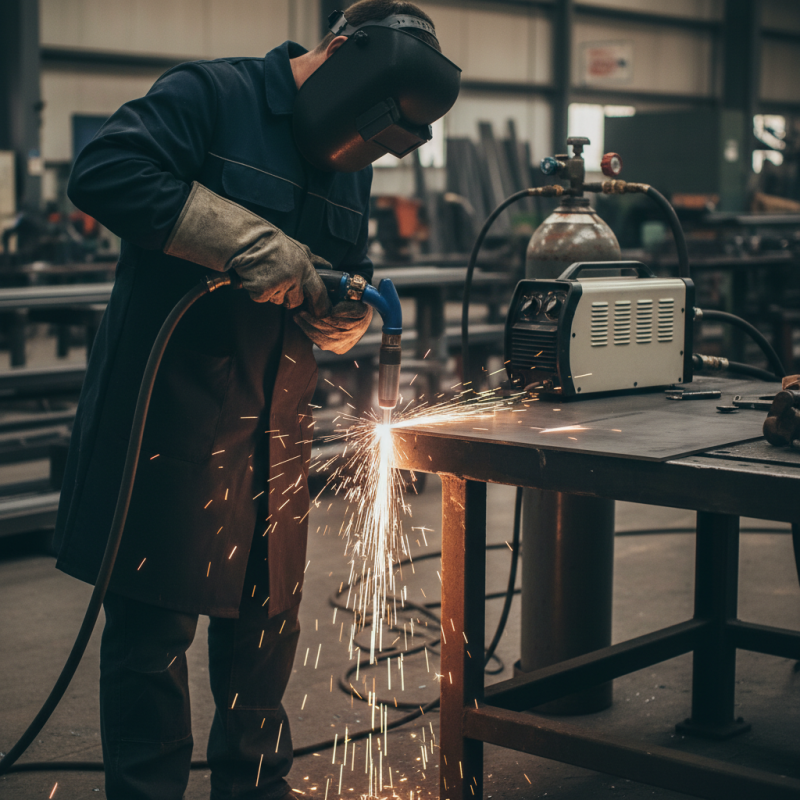
Welding cut machines are essential tools for metalwork. For beginners, understanding their basic components is crucial. These machines typically include a power source, an electrode holder, and a ground clamp. Familiarizing yourself with each part helps in operating them safely and efficiently. Many users overlook the importance of safety gear. Always use gloves, helmets, and appropriate clothing to protect yourself from sparks and heat.
Starting with proper setup is vital. Ensure your workspace is free from flammable materials. Check connections and make sure the machine is grounded correctly. Practice on scrap metal before attempting actual projects. This helps build confidence. Many beginners struggle with cutting straight lines. This skill takes time to develop. Use guides if necessary to improve precision.
While these machines simplify cutting metal, they require practice and patience. Avoid rushing through tasks; it can lead to mistakes. Routine maintenance of your welding cut machine is often neglected. Regular checks can prolong the machine's lifespan and ensure optimal performance. A little care goes a long way. Emphasizing skill development over speed will benefit you in the long run.
10 Essential Tips for Using a Welding Cut Machine Effectively
| Tip Number |
Tip Description |
Benefits |
| 1 |
Choose the right cutting tool for your project. |
Enhances efficiency and quality of cuts. |
| 2 |
Adjust the gas flow properly for optimal cuts. |
Reduces burn marks and improves precision. |
| 3 |
Maintain a steady hand while cutting. |
Creates cleaner and smoother edges. |
| 4 |
Use appropriate personal protective equipment (PPE). |
Ensures safety from sparks and harmful rays. |
| 5 |
Keep the workspace clean and organized. |
Prevents accidents and enhances productivity. |
| 6 |
Regularly inspect and maintain your equipment. |
Increases longevity and reliability of the machine. |
| 7 |
Practice on scrap material before actual work. |
Builds confidence and hones skills. |
| 8 |
Understand the materials you are cutting. |
Ensures the right settings and techniques are used. |
| 9 |
Follow the manufacturer's instructions and guidelines. |
Helps avoid misuse and enhances safety. |
| 10 |
Be aware of your surroundings while cutting. |
Ensures safety for you and those around you. |
Step-by-Step Guide to Setting Up Your Welding Cut Machine Correctly
Setting up a welding cut machine requires attention to detail. Begin by ensuring you have a stable workspace. The surface should be clean and dry. Good lighting is crucial. It helps in seeing fine details when cutting. Check the manual for specific guidance. Each machine has unique requirements. Familiarize yourself with the components before starting.
Next, ensure all safety gear is worn. This includes gloves, goggles, and a helmet. Safety should never be overlooked. Before plugging in the machine, inspect all connections. Look for frayed wires or loose fittings. Proper attachment of the cutting torch is essential. A poorly attached torch can lead to accidents.
Once everything is set, test the machine on scrap materials. Adjust settings as necessary. Don't rush this process. Take time to understand each feature. Mistakes can happen, especially for beginners. Reflect on what went well and what didn't. This will help improve future setups and ensure a smoother operation next time.
Techniques for Achieving Precise Cuts with a Welding Cut Machine
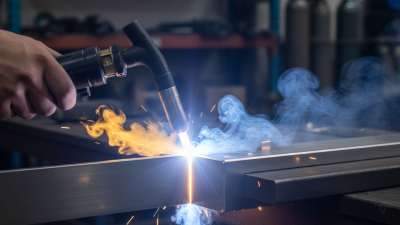
Achieving precise cuts with a welding cut machine requires both skill and technique. One vital aspect is understanding the machine's settings. For example, adjusting the voltage and amperage based on the material's thickness can significantly influence the cut quality. Research shows that improper settings can reduce the efficiency of the cut by up to 30%.
Another important technique involves maintaining a steady hand. Inexperienced users often rush their movements, leading to uneven cuts. A report from the American Welding Society highlights that an average welder might benefit from practicing basic movements for at least an hour each week. This practice builds muscle memory, which is crucial for consistent results.
Furthermore, the type of material being cut can present challenges. Metals like aluminum require different techniques compared to steel. For instance, aluminum has a tendency to warp if cut too quickly. Observing the material’s reaction helps in adjusting the speed and pressure. Mistakes can lead to wasted material and additional costs. Effective use of both techniques and machine settings ensures precise cuts, making your work both efficient and cost-effective.
Maintenance Tips to Extend the Life of Your Welding Cut Machine
Regular maintenance
is crucial for extending the life of your welding cut machine.
According to industry reports,
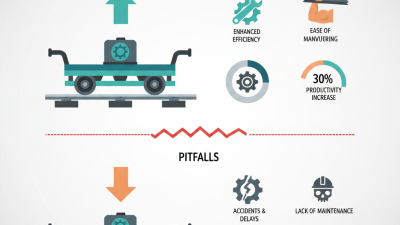
proper upkeep can increase equipment lifespan by up to 30%.
One key maintenance practice
is to keep the machine clean. Dust and metal shavings can clog components. A simple wipe-down after each use can prevent these issues.
Another important aspect
is checking electrical connections. Loose or damaged connections can lead to malfunctions. Inspect cables and connections regularly. This not only ensures safe operation but also minimizes downtime.
The American Welding Society
emphasizes the importance of routine inspections. This practice can prevent unexpected breakdowns.
Lastly, always replace worn-out consumables.
Nozzles and electrodes degrade over time. They affect the cut quality if not promptly replaced. Delaying this maintenance step can lead to poor performance and increased operational costs.
Remember,
the cost of a replacement part is often lower than the cost of repairs due to neglect. Taking these steps may seem tedious, but they are essential for maintaining optimal performance and safety in your welding operations.