How to Master Automatical Welding Techniques for Efficiency and Precision?
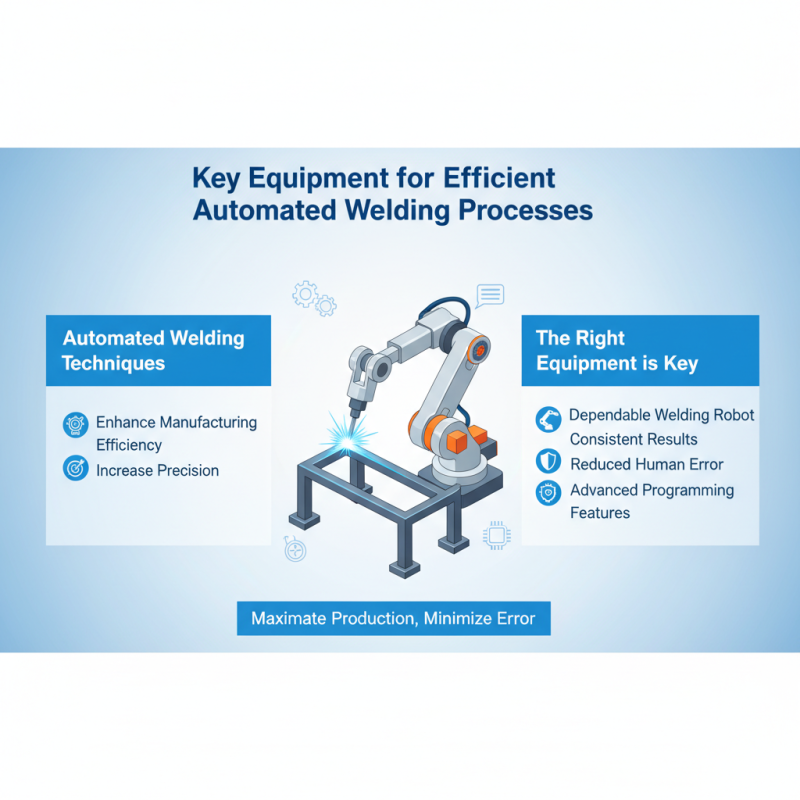
In the world of manufacturing, Automatical Welding is a revolutionary technique that enhances both efficiency and precision. According to Dr. Emily Carter, a leading expert in robotic welding technology, "The future of manufacturing rests on the mastery of automatical welding." This statement reflects the growing importance of automation in welding processes.
The integration of automatical welding methods allows industries to improve output while maintaining high-quality standards. However, mastering these techniques requires a deep understanding of both technology and material properties. Many practitioners overlook the significance of proper equipment calibration, which can lead to suboptimal results. The journey to expertise in automatical welding is often filled with challenges and learning opportunities.
There are always aspects that need refining. For instance, even experienced welders might struggle with complex joints and intricate designs. Embracing these challenges can lead to innovative solutions. Understanding the nuances of automatical welding is essential in achieving mechanical consistency and enhancing precision.

Understanding the Basics of Automated Welding Techniques
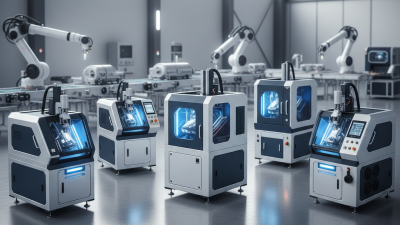
Automated welding techniques have revolutionized the manufacturing sector, enhancing both efficiency and precision. Understanding the basics is crucial for anyone looking to implement these methods. According to the American Welding Society, automated welding can improve production limits by up to 50%. This leap is mainly due to the ability to run continuous operations without human fatigue.
The primary types of automated welding include
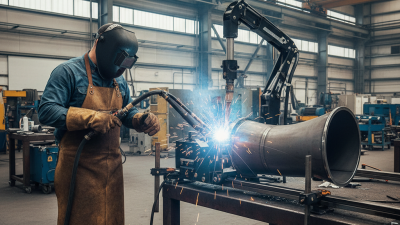
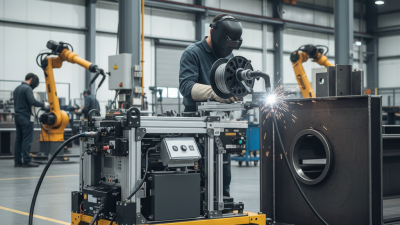
robotic welding,
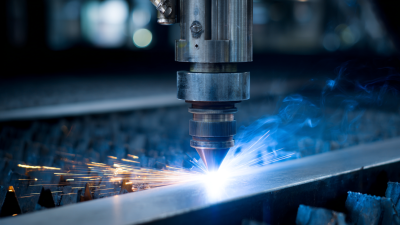
laser welding, and
plasma arc welding.
These methods require knowledge of the machines and their software programming. A report from the International Institute of Welding notes that training is essential; however, skilled operators are still in demand. Data indicates a 30% gap in workforce proficiency, highlighting the need for continuous education and development in this field.
Moreover, automation isn't without its challenges. While it brings speed, it can also introduce complexities in control. Often, weld quality may suffer if the parameters are not correctly set from the beginning.
Accurate calibration is vital, and even seasoned professionals can overlook this step. Regular assessments are important to address these potential flaws and ensure high-quality outcomes.
Essential Programming Skills for Precision in Automated Welding
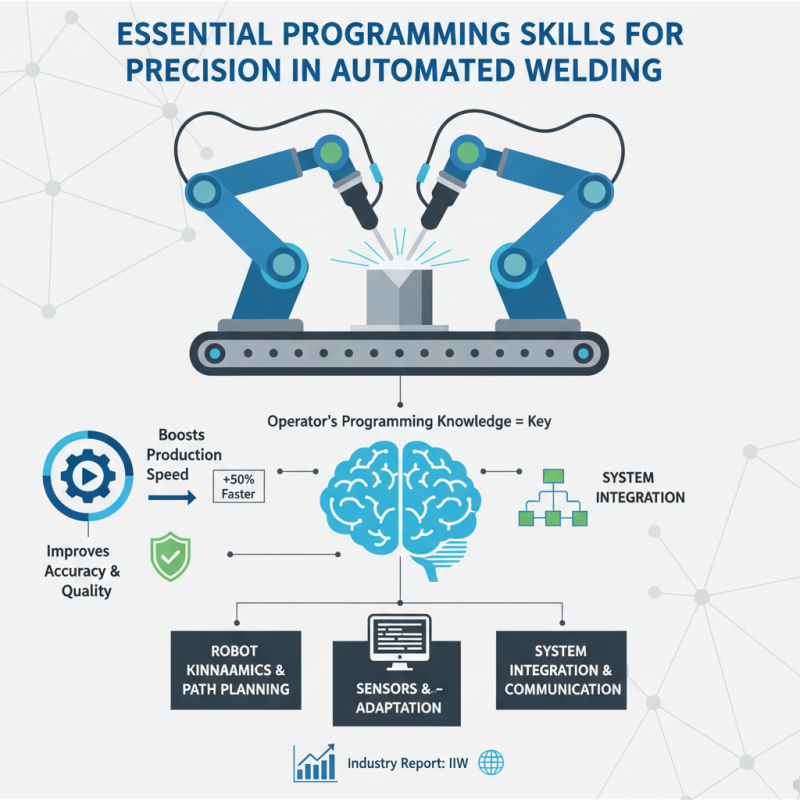
Automated welding has transformed manufacturing, increasing both efficiency and precision. Essential programming skills are a key aspect of this transformation. A recent industry report from the International Institute of Welding indicates that automated welding can enhance production speed by up to 50%. Yet, the effectiveness largely depends on the operator's programming knowledge.
Understanding welding parameters is crucial. Operators must know how to adjust settings for different materials, like stainless steel versus aluminum. Incorrect settings can lead to defects, compromising product integrity. A study from the Welding Research Council found that nearly 30% of weld defects stem from improper programming. This highlights the need for training in programming skills to ensure high-quality outcomes.
Moreover, the rise of Industry 4.0 means automated systems are becoming more complex. Programmers need to familiarize themselves with new technologies, like artificial intelligence and machine learning. Adapting to these changes can be a challenge. Continuous education is vital. Many professionals find it difficult to keep pace with technological advancements. Skills in programming and troubleshooting are essential for staying competitive in this evolving field.
Common Challenges and Solutions in Automated Welding
Automated welding presents numerous challenges that can hinder efficiency and accuracy. One common issue is the consistency of welding parameters. Variations can occur due to changes in the workpiece material or environmental conditions. These factors lead to inconsistent weld quality. Regular calibration of equipment is essential to counter this problem. However, calibration processes can be intricate and time-consuming.
Another challenge is the skill gap in operating automated systems. Not all technicians are adequately trained to handle advanced machinery. This lack of expertise can lead to increased downtime and errors. Continuous training programs can bridge this gap, but they require ongoing commitment from management and staff. In practice, finding time for training amidst tight production schedules can be problematic.
Software integration also poses significant hurdles. Inconsistent software compatibility often leads to communication issues between machines. It can result in operational delays and frustration. Ensuring that all equipment runs on compatible systems is crucial. However, achieving this can be complex, depending on the age and type of machines involved. Reflections on these challenges are essential to foster improvements in automated welding practices.
Best Practices for Maintenance and Safety in Welding Automation
Maintenance and safety are crucial aspects of welding automation. Regular checks of equipment can prevent unexpected downtime. For example, inspecting cables for wear and tear can save time and resources. Ensure that all safety guards are in place and functioning properly. This minimizes risks during operation.
Additionally, training personnel is essential. Workers must understand both the machines and safety protocols. Providing regular safety drills can help reinforce proper habits. Encourage open communication about potential hazards. It's important to cultivate a safety-first culture among all team members.
Reflecting on past experiences is valuable. Mistakes happen, and learning from them is key. For instance, a minor oversight in maintenance can lead to serious accidents. Keeping a detailed log of maintenance activities can help track issues over time. It also serves as a valuable reference for future troubleshooting. Automation enhances efficiency, but it relies heavily on rigorous maintenance and safety practices.
Welding Automation Efficiency and Precision Metrics