Mini Welding Machine Tips for Choosing the Best Option?
When choosing a Mini Welding Machine, the market can be overwhelming. Current industry reports indicate that the demand for compact welding machines has surged by 35% over the past five years. This rise is driven by the increasing need for portable and versatile solutions across various sectors, including automotive and DIY projects. Experts advise that a proper understanding of features and specifications is vital for making an informed choice.
According to welding specialist Dr. Emily Carter, "Investing in the right Mini Welding Machine can significantly enhance your project efficiency." Her insights highlight the importance of selecting machines that meet specific user needs. Factors like wattage, weight, and ease of use can greatly impact performance. Prospective buyers must carefully assess their requirements against these features.
Despite the growing technology, many customers still struggle with choosing the ideal machine. Brands and models often create confusion. Buyers should not rush the decision. Taking time to reflect on personal needs and conducting thorough research can lead to wiser choices in the long run.
Understanding Mini Welding Machines: An Overview
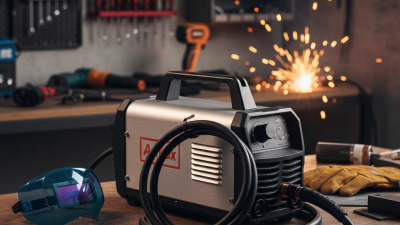
When considering a mini welding machine, it’s essential to understand the different types available. These machines are compact, making them ideal for various tasks. Many users appreciate their ability to work on small projects efficiently. Their portability allows for easy transport to job sites. This versatility appeals to both hobbyists and professionals.
When choosing a mini welding machine, consider the power source. Some machines operate on electric, while others may use gas. Evaluate your needs before making a choice. Another factor is the machine’s duty cycle. This indicates how long you can use the machine without overheating. A higher duty cycle is better for lengthy projects.
Tips for picking the right machine include checking customer reviews. These insights can reveal reliability and performance. Additionally, assess the machine’s weight and size for ease of use. Don’t overlook safety features. Proper safety measures are critical for a successful welding experience. Balancing power, portability, and safety will lead to a satisfactory purchase.
Key Features to Consider When Choosing a Mini Welding Machine
When selecting a mini welding machine, key features deserve close attention. One significant aspect is the machine’s power output. Typical mini welders operate between 120 to 240 volts. This range allows flexibility for both home use and light industrial tasks. According to a 2022 report by the American Welding Society, nearly 65% of hobbyist welders prefer machines with an output of at least 200 amps. Such power ensures better penetration and fusion.
Portability is another crucial consideration. Many mini welding machines weigh less than 30 pounds. This lightweight design is essential for DIY projects or job sites where mobility matters. A good machine also features an ergonomic design for ease of use. Despite these advantages, some users may find that lightweight models sacrifice durability. It's important to assess the materials used in the machine’s construction to ensure longevity.
Safety features cannot be overlooked. Machines equipped with thermal overload protection and automatic shut-off features can enhance safety during welding. Data from the International Institute of Welding suggests that nearly 35% of accidents relate to equipment failures. Therefore, prioritizing models with strong safety systems can significantly reduce risks. While choosing, remember that cost should not be the only factor; reliability and safety play essential roles in your long-term satisfaction with the tool.
Mini Welding Machine Tips for Choosing the Best Option? - Key Features to Consider When Choosing a Mini Welding Machine
| Feature |
Description |
Importance |
| Welding Process |
Types such as MIG, TIG, Stick, etc. |
High |
| Power Output |
Measured in Amps, affects weld quality |
High |
| Duty Cycle |
Percentage of time it can operate continuously |
Medium |
| Portability |
Weight and size for transport |
High |
| Power Source |
Electric, gas, or battery-operated |
High |
| Safety Features |
Overload protection, thermal protection, etc. |
High |
| Ease of Use |
User-friendly controls and setup |
Medium |
| Price |
Cost efficiency vs performance |
Medium |
Comparing Different Types of Mini Welding Machines
When selecting a mini welding machine, understanding the different types is crucial. Mini welding machines typically fall into categories like MIG, TIG, and Stick welding. Each type serves distinct purposes. For example, MIG welding machines are user-friendly and versatile. They operate well on thin materials and are often favored for automotive repairs. According to a report by the American Welding Society, MIG welding is one of the most preferred methods in various industries due to its efficiency.
TIG welding machines allow for finer control, making them ideal for intricate work. They excel in producing high-quality welds on thinner metals. However, they may require more skill to operate effectively. Data from the National Center for Welding Education and Training suggests that TIG welding is less common among beginners but valued in precision-focused trades. Stick welding, on the other hand, is robust and can be used in outdoor conditions. It’s often employed in construction applications where portability and durability are key.
Choosing the right mini welding machine depends on your specific needs. Consider your experience level and the materials you’ll work with. Each machine type has its pros and cons. For example, while MIG machines are easier to use, they may not perform well in windy environments. Reflecting on these factors can help in making a more informed decision.
Mini Welding Machine Comparison
This bar chart compares the average prices of different types of mini welding machines. It provides a visual representation of how each type stands in terms of cost, aiding in making an informed decision when choosing the best mini welding machine for your needs.
Safety Tips for Using Mini Welding Machines
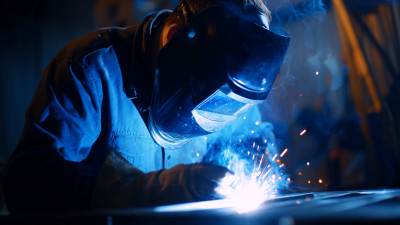
When using mini welding machines, safety is crucial. Proper precautions can greatly reduce hazards. Always wear protective gear, including gloves, goggles, and a welding helmet. These items shield you from sparks and harmful UV rays.
Another important tip is to maintain a clean workspace. Clutter can lead to accidents. Ensure there are no flammable materials nearby. This simple step can prevent unexpected fires.
Pay attention to ventilation. Welding generates fumes that can be harmful. Use your machine in an open area or ensure proper exhaust systems are in place. It’s essential for your health and well-being.
Additionally, take time to inspect your equipment. Worn-out cables or damaged components can pose risks. Regular checks help ensure everything functions properly. A well-maintained machine is safer and more effective.
Lastly, remember to practice welding techniques. Take time to understand your machine’s operation. Inexperience can lead to mistakes. Training increases your confidence and proficiency. Focus on these elements to enhance your safety while welding.
Budget Considerations for Purchasing a Mini Welding Machine
When considering a mini welding machine, budget plays a crucial role. Prices generally range from $100 to $500. The choice often hinges on the intended use. For hobbyists, an entry-level machine suffices. However, professionals may require higher-end options for demanding projects. Market research indicates that about 60% of buyers report dissatisfaction due to inadequate specifications for their needs. Selecting the right machine without overspending is essential.
The type of welding required significantly influences the price. Additionally, certain machines come with limited features that could require further investment. Users should factor in the cost of consumables. According to industry data, nearly 30% of consumers overlook these expenses. This oversight can lead to unexpected costs later. The longevity and performance of a machine often correlate with its price. Thus, understanding your welding needs is vital for making an informed decision.
Moreover, many people debate whether to buy new or used machines. Used options can be tempting due to lower price tags. However, they may come with hidden maintenance issues. According to a study, over 40% of used buyers needed repairs soon after purchase. This reflects the importance of thorough inspections before committing to a used machine. Being aware of potential pitfalls helps ensure informed choices within budget constraints.