What is a Mini Welding Machine and How to Choose One?
In recent years, the Mini Welding Machine has gained popularity among professionals and DIY enthusiasts alike. This compact equipment is praised for its portability and ease of use. According to welding expert John Smith, “A Mini Welding Machine opens doors to creativity for both hobbyists and professionals.” This sentiment reflects the growing interest in versatile welding solutions.
Choosing the right Mini Welding Machine requires a keen understanding of your specific needs. With various types available, it can be overwhelming. Each machine offers unique features, such as voltage options and welding techniques. Pay attention to these details for successful projects.
Ultimately, investing in a Mini Welding Machine can elevate your skills. However, users must consider their experience level and intended applications. Mistakes may happen, and that's part of the learning process. Evaluate your choices carefully to ensure the right fit. Think about your projects and how a machine can meet those demands.
What is a Mini Welding Machine? An Overview of Key Features
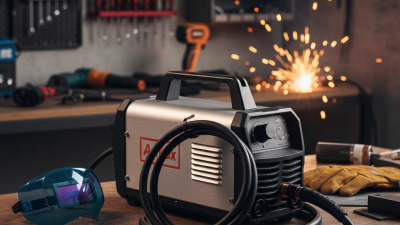
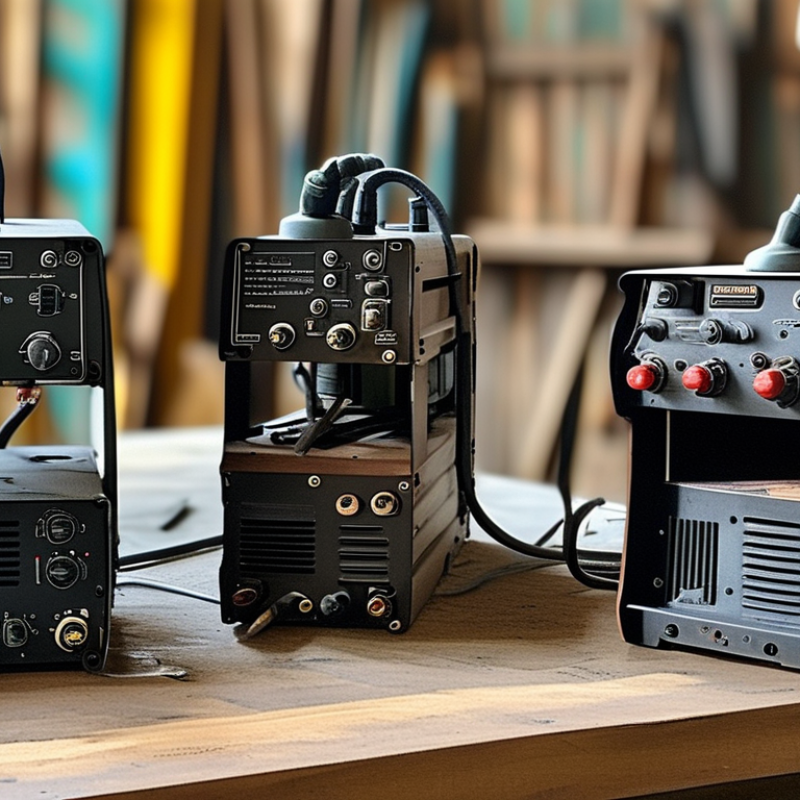
A mini welding machine is a compact, portable tool designed for welding tasks. These machines are ideal for both hobbyists and professionals who need versatility and ease of use. Key features often include adjustable power settings, lightweight construction, and efficient energy consumption. Many mini machines support various welding types, such as MIG, TIG, and stick welding. This variety allows users to tackle different projects with a single device.
When choosing a mini welding machine, consider the intended use. Look for machines that offer good duty cycles, which indicate how long you can weld before the machine needs to cool down. The power output is another crucial aspect; higher amperage leads to thicker materials being welded. Don't overlook the accessories included, like torches and cables, as they can enhance your welding experience. Reading user reviews can provide insights into real-world performance and reliability. Remember that not every mini welding machine will meet your expectations; thorough research can help you avoid disappointing purchases.
Types of Mini Welding Machines: Choosing Between MIG, TIG, and Stick
When considering mini welding machines, it’s essential to understand the types available.
MIG (Metal Inert Gas) welding is popular for its ease of use. Ideal for beginners, it combines speed and quality.
According to industry reports, MIG welding accounts for approximately 50% of all welding activities
due to its versatile applications, especially in auto repair and fabrication.
TIG (Tungsten Inert Gas) welding offers a cleaner, more precise finish. It’s ideal for thin materials and delicate tasks.
While it demands higher skill levels, the end results are often worth the effort. A study from the Welding Institute noted that
TIG welding is preferred in industries requiring high-quality welds, contributing to about 30%
of professional welding projects.
Stick welding, or SMAW (Shielded Metal Arc Welding), is often considered the “go-to” for outdoor work.
It is less sensitive to wind and contamination. Reports indicate it’s widely used in construction, making up about
20% of welding jobs. However, it can produce spatter and requires cleanup.
Selecting the right type should depend on your specific needs and skill level. Each method has strengths and weaknesses
that must be carefully weighed.
Key Specifications to Consider: Amperage, Duty Cycle, and Portability
When considering a mini welding machine, key specifications play a critical role. Amperage determines the welder's strength. A higher amperage allows for thicker materials. Think about the projects you will tackle. If you mostly work with thin metals, lower amperage might suffice. Conversely, for thicker items, seek a machine that offers greater amperage.
Duty cycle is another crucial factor. It reflects how long you can weld before needing a break. A higher duty cycle means you can work longer without interruption. This is vital for larger projects. If you often work on extensive tasks, opt for machines with a duty cycle of at least 60%.
Portability is important as well. A lightweight machine can easily be transported to various job sites. Look for models with a compact design and a comfortable carrying handle. This makes your work smoother and ensures efficiency.
Tips: Always check the user manual for specific guidelines. Familiarizing yourself with the machine increases safety. Take breaks to avoid overheating, especially during long tasks. Lastly, never feel pressured to rush. Quality work often requires patience and attention.
Amperage and Duty Cycle of Mini Welding Machines
Applications of Mini Welding Machines in Various Industries and Projects
Mini welding machines have gained traction across multiple industries due to their versatility and ease of use. In construction, they play a vital role in joining metal components for frameworks and structural projects. The portable nature of these machines allows workers to perform welding tasks on-site, minimizing downtime. Reports indicate that the construction sector is projected to grow steadily, driving a demand for efficient welding solutions, especially in urban development projects.
In automotive manufacturing, mini welding machines are essential for both assembly and repair tasks. They enable precise welding in tight spaces, crucial for maintaining the integrity of vehicle structures. A study by the American Welding Society highlights that over 50% of welds made in automotive applications are performed using smaller, portable equipment. This statistic emphasizes the shift towards these machines as manufacturers seek solutions that combine performance with space-saving designs.
Moreover, in artistic metalworking, artists utilize mini welding machines to create intricate designs and sculptures. The portability allows artists to transport their machines to various locations, fostering creativity in outdoor settings or galleries. While mini welding machines offer flexibility, the challenge exists in optimizing their settings for different materials. Finding the right balance between power and control can be a learning curve, but it's a journey many welders embrace for their craft.
Tips for Selecting the Right Mini Welding Machine for Your Needs
Choosing the right mini welding machine can be a daunting task. Start by assessing your specific needs. Consider the materials you will be working with. Different machines are better suited for different materials like steel, aluminum, or plastic. Knowing this helps narrow your options effectively.
Portability is another crucial factor. If you plan to work in various locations, a lightweight design is essential. Check the power source too—battery-operated models are convenient, while those needing a plug might offer more power. It can be frustrating if the machine doesn’t fit your workspace or requirements.
Don’t overlook safety features. Look for machines that come with essential guards or automatic shut-off modes. This can save you from injury or equipment damage. It's always wise to read user reviews and learn from others’ experiences. This feedback can reveal strengths and weaknesses you may not have considered. Remember, the best choice aligns with your skills and project goals.