What is a Portable Mig Welder and How to Choose One?
In the world of welding, a Portable Mig Welder stands out as a valuable tool for both professionals and hobbyists. According to a report by the American Welding Society, the demand for portable welding solutions has increased by over 35% in recent years. This rise indicates a shift towards more flexible and convenient welding technologies. As industries evolve, the need for efficient welding methods grows.
Choosing the right Portable Mig Welder can seem daunting. Various models offer different features, power outputs, and portability levels. A welding industry survey noted that nearly 40% of users seek welders that are lightweight and easy to transport. Users often express the frustration of selecting a model that doesn’t meet their needs. It’s crucial to consider your specific welding projects and environments before making a choice.
Durability and ease of use are key factors. Many Portable Mig Welders advertise extensive warranties and advanced technology. However, not all products live up to these claims. Scrutinizing reviews from experienced users can provide invaluable insight. Ultimately, selecting the right Portable Mig Welder requires thoughtful consideration and a clear understanding of your requirements.
What is a Portable Mig Welder?
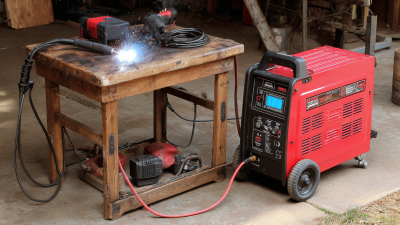
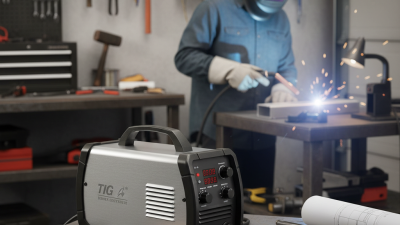
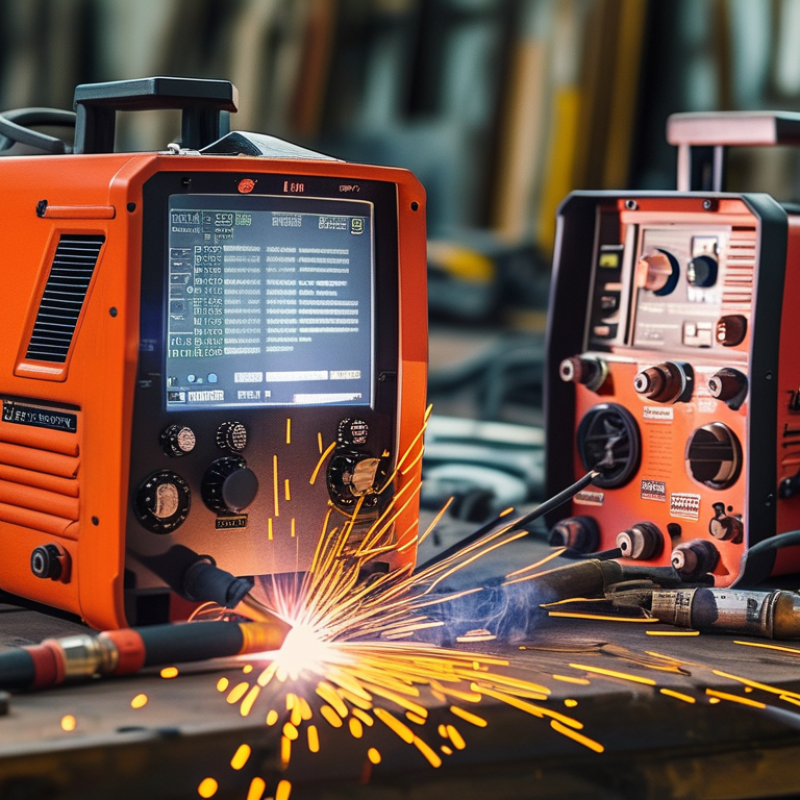
A portable MIG welder is a compact and lightweight welding tool. It's designed for ease of use and mobility. This equipment is ideal for both beginners and professionals. Whether you are working on home projects or taking it to job sites, portability is a key feature. The compact size allows you to set it up anywhere, enhancing efficiency.
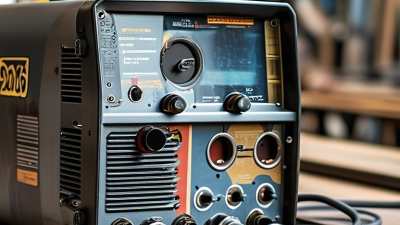
When choosing a portable MIG welder, consider the welding power and duty cycle. Both factors affect performance and the types of materials you can work with. Look for units that have adjustable settings for different thicknesses. An effective welder should offer versatility. It should weld not just steel but also aluminum. Pay attention to the gas type, as it impacts the weld quality.
It is essential to evaluate additional features. A good handle and weight distribution are crucial for comfort during use. Many models have built-in safety measures. Yet, some may lack adequate instructions for beginners. Carefully reviewing customer feedback helps assess reliability. Test the welder before committing, if possible. This ensures it meets your specific needs and preferences.
Key Features of Portable Mig Welders
When looking for a portable MIG welder, it's essential to focus on key features. Weight and size are crucial for mobility. A welder that easily fits in your vehicle can be a game changer. Many models weigh under 50 pounds. This makes transport simple, especially for on-site work.
Power output is another important feature. Most portable MIG welders offer adjustable settings. This flexibility allows you to work with different materials and thicknesses. Look for models operating on both 120V and 240V. This versatility is particularly helpful when electrical outlets vary.
Consider duty cycle as well. A welder's duty cycle indicates how long it can operate before needing a break. For instance, a 20% duty cycle means it can weld for two minutes continuously, followed by eight minutes of cooling. A higher duty cycle is beneficial for larger projects.
Portability doesn’t always mean lightweight. Some models offer rugged construction while maintaining mobility. Choosing a portable MIG welder is about balancing weight, power, and durability. It's essential to evaluate your specific needs to find the right fit.
Benefits of Using a Portable Mig Welder
Portable MIG welders offer several advantages for both hobbyists and professionals. One major benefit is their versatility. They can be used for various applications, including automotive repairs and metal fabrication. This flexibility makes them a great choice for those who need different functionalities in one tool. Lightweight models enhance mobility, allowing users to easily transport them from site to site.
Another key benefit is energy efficiency. Many portable MIG welders operate on standard household power sources. This means you don’t need specialized outlets or heavy generators. The simplicity of set-up saves time, making it easier to get to work. However, adjusting settings can be a challenge at first. Users often need time to understand how to achieve the best welds.
Portability also opens doors to more creative projects. You can take your welder to various locations, such as remote job sites or home garages. However, the compact design may come with limitations. Some users might find that they lack the power capacity of larger models. Finding the right balance between size, power, and portability can require some trial and error.
Factors to Consider When Choosing a Portable Mig Welder
When choosing a portable MIG welder, several critical factors require careful consideration. One essential aspect is the welder's amperage output. Industry standards indicate that portable MIG welders typically range from 30 to 250 amps. Lower-end models suit thin materials, while higher outputs are better for thicker steel. Selecting the right amperage ensures you achieve clean, precise welds without causing warping.
Another significant factor is duty cycle, the percentage of time a welder can operate within a 10-minute period without overheating. For instance, a welder with a 20% duty cycle at 100 amps allows for only two minutes of welding before needing a break. This specification is vital for consistent performance, especially in extensive projects.
Weight and portability are also crucial. Many portable models weigh between 20 to 50 pounds, making them easy to transport. Be mindful of the balance between weight and features. Some compact devices may lack sufficient power or versatility. Lastly, the type of gas used can influence your choice. MIG welding typically requires shielding gas for optimal results. Understanding these factors can guide you in selecting a welder that fits both your needs and level of expertise.
Top Brands and Models of Portable Mig Welders
When selecting a portable MIG welder, understanding the leading brands and models is essential. The market has been expanding, with demand growing by approximately 6% annually. This growth indicates a strong interest in both DIY and industrial applications. Notably, lightweight models are favored by hobbyists and professionals alike, making them versatile for various tasks.
Top brands often focus on build quality and ease of use. Common features include adjustable voltage settings and reliable wire feeders. A recent survey highlighted that around 75% of users prioritize these features for better control in different welding tasks. Users reported that options with high duty cycles are preferable for longer projects, allowing for sustained performance without overheating.
Models that feature inverter technology have gained attention for their efficiency. They consume less energy while delivering reliable output. However, some users express concerns about the learning curve associated with advanced models. Effective training and practice are critical for maximizing performance and achieving high-quality welds. Therefore, buyers are advised to consider their skill level and specific needs before making a purchase.
Top Features of Portable MIG Welders
This chart represents the fundamental features of portable MIG welders, showcasing their weight, weld thickness capability, amperage range, input voltage, and duty cycle. These factors are crucial in evaluating the best portable MIG welder for personal or professional use.