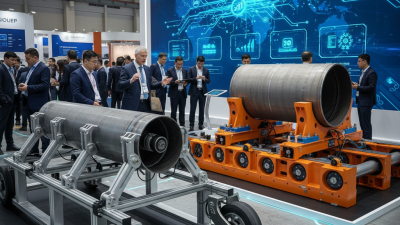
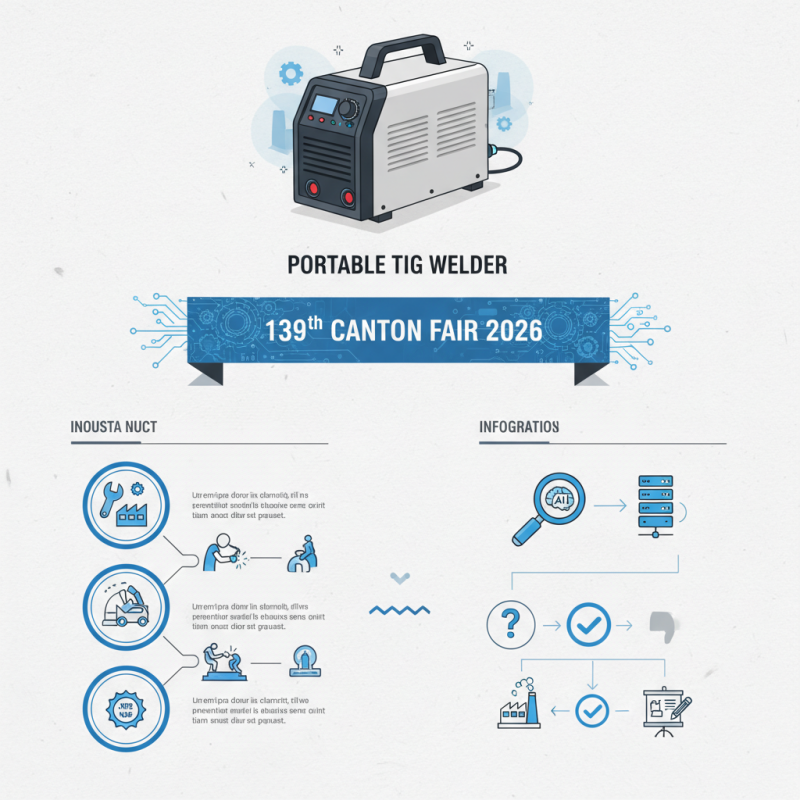
The 139th Canton Fair in 2026 offers a unique opportunity to explore advanced manufacturing technologies. Among the highlights is the Portable Tig Welder. This innovative welding machine is designed for flexibility and ease of use. It caters to both professionals and hobbyists, making it a hot topic at the fair.
As industries evolve, the demand for efficient tools grows. The Portable Tig Welder stands out for its compact design and powerful performance. It is essential for various applications, from metal fabrication to artistic projects. Attendees can learn how this equipment enhances productivity and quality.
In addition to showcasing the Portable Tig Welder, the fair introduces AI features for better navigation. Buyers can easily find suitable suppliers with specific certifications. This technology not only streamlines the search but also reflects the changing landscape of manufacturing. However, not all products may meet expectations. Some may require further refinement. It is vital to assess each product’s practicality carefully.
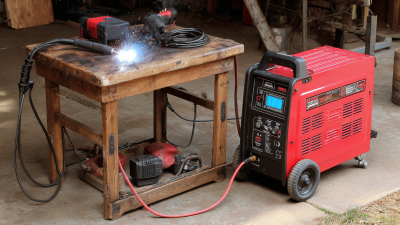
Portable TIG welders are versatile tools designed for various welding applications. They allow users to perform high-quality welds in diverse settings. Their lightweight design makes them easy to transport. Many professionals appreciate this feature, as it enhances mobility on job sites.
These welders operate on thin materials, such as aluminum and stainless steel. They produce clean and precise welds, reducing the need for extensive cleanup afterward. However, mastering TIG welding requires skill and practice. Beginners may struggle with the technique at first. It is essential to understand the settings and controls to achieve optimal results.
While portable TIG welders offer convenience, they can be limited by power supply issues. Users sometimes find battery-powered options insufficient for heavy-duty tasks. Additionally, some models might lack advanced features found in larger machines. This can be a drawback for those seeking higher performance. Careful consideration and research are needed before making a purchase.
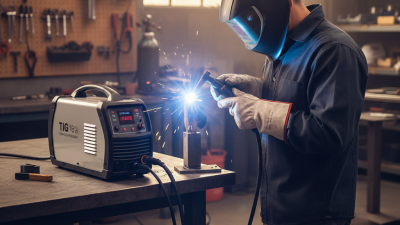
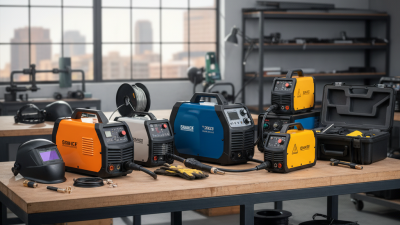
At the 139th Canton Fair, portable TIG welders showcased impressive features. These welders are compact and lightweight. They are perfect for on-site projects. Many models offer energy efficiency. This is crucial for small businesses and home use.
One key feature is the inverter technology. It allows for precision welding across various metals. Users can expect smooth arcs and reduced spatter. Additionally, some models include digital displays. This makes it easier for operators to monitor settings.
Tips: Look for portability when choosing a welder. Consider the weight and design. Also, check the power requirements. Make sure it fits your project needs. Finally, don’t overlook user reviews. They can provide insights into performance and durability.
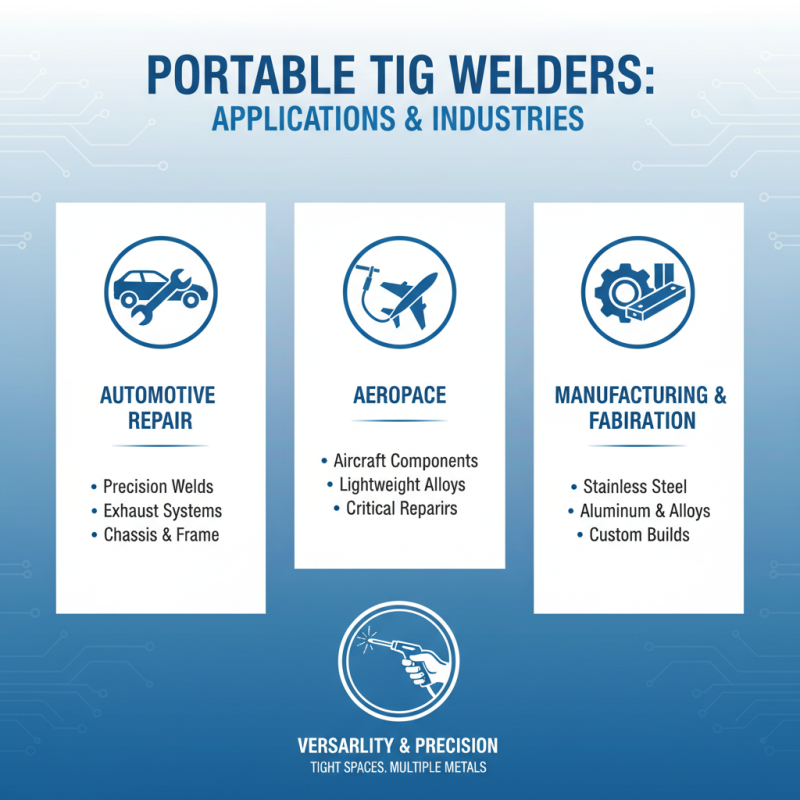
Portable TIG welders have gained significant attention in various industries, thanks to their versatility and ease of use. These compact tools are perfect for tasks where precision is crucial. In sectors like automotive repair, aerospace, and manufacturing, portable TIG welders enable high-quality welds even in tight spaces. They can be used for stainless steel, aluminum, and other metals, making them a favorite among fabricators.
In construction, workers often face unique challenges. Portable TIG welders provide the flexibility needed on-site. They can produce clean, strong welds quickly, which is essential for maintaining project timelines. Besides construction, art and sculpture creation has seen innovative applications through portable TIG technology. Artists can create intricate metal designs with perfect seams.
Tips: Always wear proper protective gear when welding. This includes gloves, a helmet, and protective clothing. Check your equipment regularly to ensure it operates safely. Practice on scrap materials to refine your technique before handling critical projects. The learning curve can be steep, but don’t be discouraged. Mistakes are part of the process; they can lead to better skills.
Portable TIG welders are gaining popularity for their versatility and ease of use. Unlike traditional models, which can be bulky and require extensive setups, portable units are lightweight and designed for convenience. Recent industry reports indicate a 15% annual growth in portable welder sales, highlighting their increasing acceptance among both professionals and hobbyists.
These portable welders often deliver impressive performance, comparable to traditional models. They can efficiently weld various materials, from aluminum to stainless steel. However, they sometimes struggle with thicker materials that traditional machines handle seamlessly. Users may find the duty cycle in portable models to be lower, which could be a concern for heavy-duty applications.
Tips: When selecting a portable TIG welder, consider the thickness of the materials you'll work with. Look for features like adjustable heat settings and easy portability. Additionally, maintain your welder properly. This will extend its life and enhance performance. A small investment in maintenance can yield significant returns in efficiency and quality.
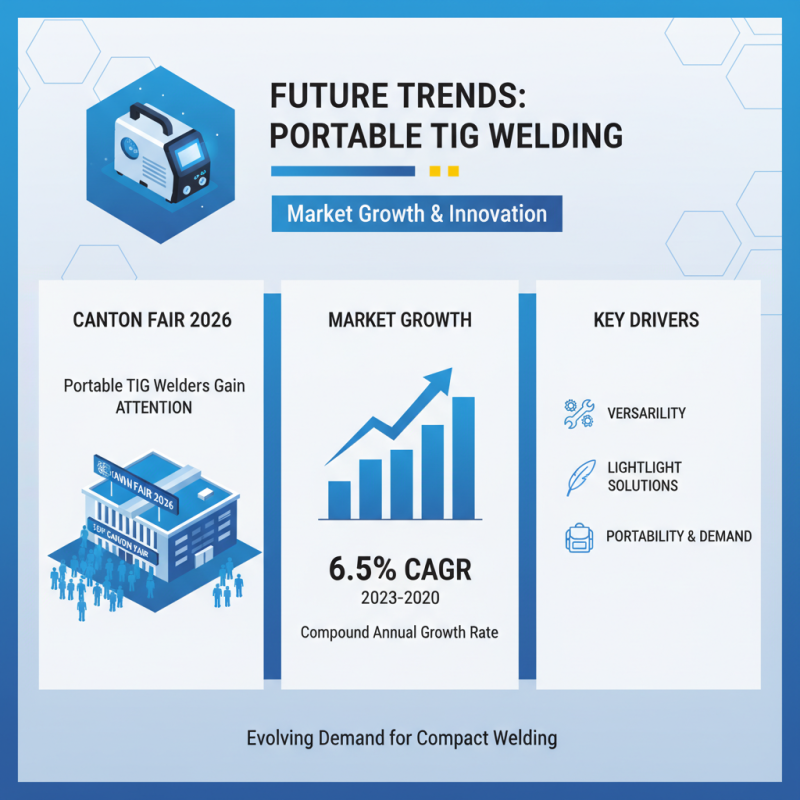
Portable TIG welders are gaining attention at the 139th Canton Fair 2026. These machines are increasingly popular for their versatility. Recent industry reports predict a compound annual growth rate (CAGR) of 6.5% for the portable TIG welding market from 2023 to 2030. This growth highlights an evolving demand for lightweight, portable welding solutions.
Advancements in technology drive this market forward. Innovations include inverter technology and energy-efficient designs. These features enhance performance while reducing operational costs. However, the accessibility of these modern welders can be misleading. Potential users must be aware of their specific welding needs. Not all portable welders meet every requirement. Training and experience are crucial for effective use.
Market competition is intensifying. New players are emerging alongside established companies. This shift can lead to quality inconsistencies in products. Consumers may face challenges in identifying reliable options. Investing in research and comparative analysis is essential. The future of portable TIG welding will depend on balancing innovation with quality control.