Why Choose a Swing Weld Carriage for Efficient Welding Solutions?
In the realm of industrial welding, choosing the right tools can greatly impact efficiency and quality. David Thompson, a renowned expert in welding technology, states, "A Swing Weld Carriage isn’t just a tool; it’s a game-changer." This sentiment echoes through many manufacturing environments.
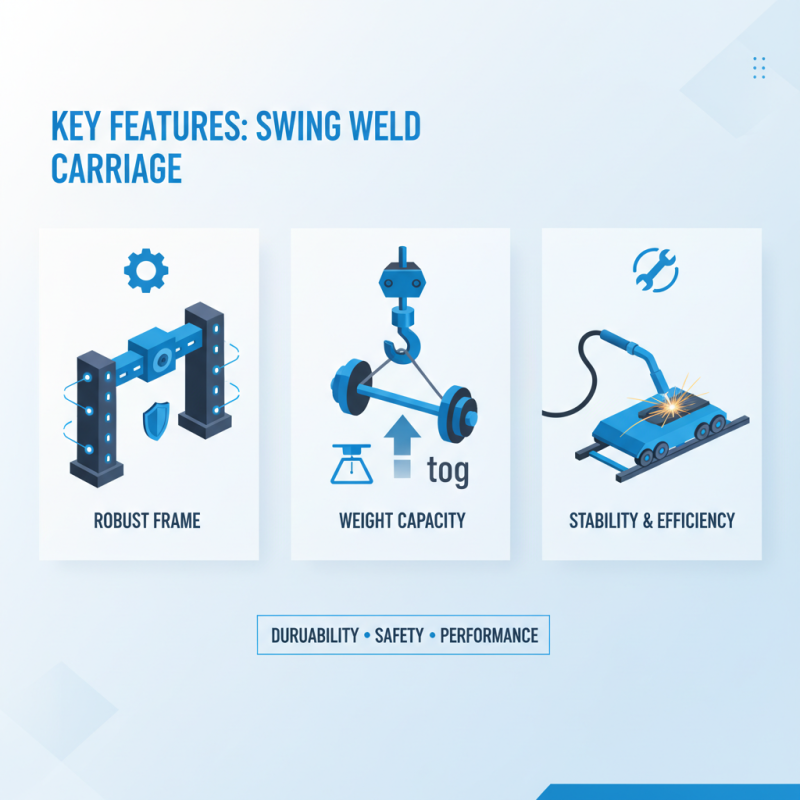
The Swing Weld Carriage distinguishes itself through its precision and adaptability. It allows for consistent welds, even in challenging positions. By incorporating this system, operators can significantly reduce the time spent on each task. Its design offers ease of movement across surfaces, enhancing workflow.
However, it's important to note that not all welds can be perfected with one solution. While the Swing Weld Carriage provides numerous benefits, each project requires careful consideration. Not every application may fully utilize its capabilities. Overall, committing to this technology must align with specific welding needs and contexts. This ensures that the Swing Weld Carriage truly elevates welding operations.
Understanding the Basics of Swing Weld Carriages in Welding
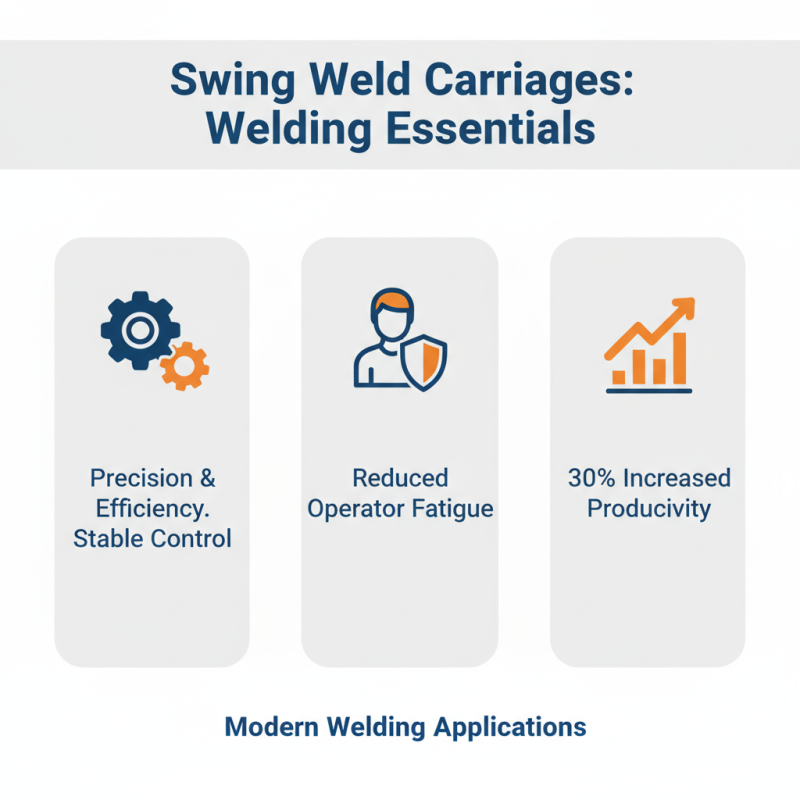
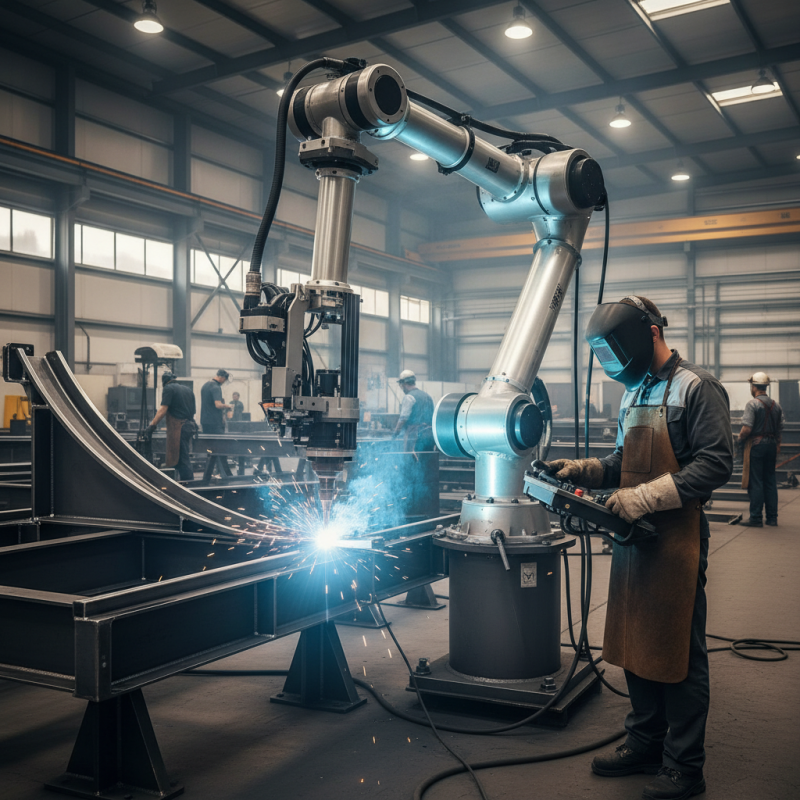
Swing weld carriages are essential for modern welding applications. These systems enhance precision and efficiency. With their ability to provide stable control during welding, they minimize operator fatigue. According to industry reports, using a swing weld carriage can increase productivity by up to 30%. This efficiency is crucial as companies aim to meet growing demands.
Understanding the basics of swing weld carriages is vital. They consist of multiple components, including tracks, drive systems, and control panels. Proper maintenance is essential for optimal performance. A lack of routine checks can lead to downtime, which affects project timelines. Moreover, incorrect setup can result in poor weld quality, which may lead to expensive rework.
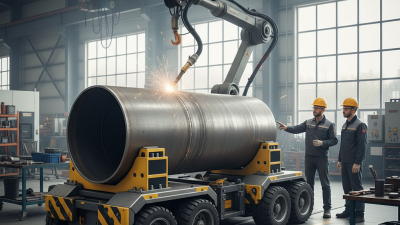
The versatility of swing weld carriages makes them suitable for various applications, including pipelines and shipbuilding. However, operators need training to use these machines effectively. Insufficient training can lead to misuse and accidents. As more industries adopt advanced welding technologies, understanding swing weld carriages will remain crucial for ensuring safe and efficient operations.
Advantages of Using Swing Weld Carriages for Efficiency
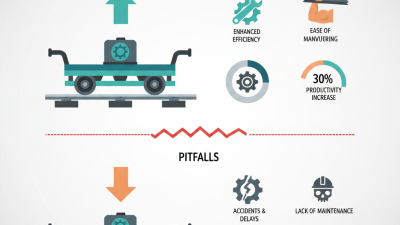
Swing weld carriages are revolutionizing the welding industry by enhancing operational efficiency. These advanced machines allow for precise control of movements, leading to more consistent welds. Reports from industry analysts indicate that using swing weld carriages can reduce welding time by up to 30%. With increased speed, projects can be completed faster while maintaining high-quality standards.
One critical advantage of swing weld carriages is their ability to adapt to various welding positions. This versatility can lead to a significant reduction in the need for manual adjustments. A study from the Fabricators & Manufacturers Association suggests that automating welding processes can cut labor costs by nearly 20%. This makes swing weld carriages an attractive option for manufacturers aiming for both speed and cost-effectiveness.
**Tip:** Regularly maintain your swing weld carriage to ensure optimal performance. Check for wear and tear to prevent unexpected downtime. Understand that training operators on proper techniques enhances productivity. These small adjustments can lead to significant improvements in your welding operations.
Advantages of Using Swing Weld Carriages for Efficiency
Comparison of Swing Weld Carriages with Other Welding Solutions
Swing weld carriages stand out for their efficiency in welding applications. Unlike traditional methods, they provide greater mobility and flexibility. This design allows for seamless movement along different axes, enabling welders to reach complex joints with ease. Adjusting the position of the weld carriage can save time and increase productivity.
Comparing swing weld carriages with other solutions reveals distinct advantages. Fixed welding setups limit movement, often leading to missed angles. In contrast, swing weld carriages adapt to various project needs. Depending on the environment, their versatility becomes essential. However, using these systems may require training, which can be a hurdle for some teams.
Another point to consider is maintenance. Regular upkeep is crucial for swing weld carriages to operate effectively. Some users may overlook this aspect, leading to decreased performance. Investing time and effort into proper care ensures long-term benefits. Ultimately, understanding these factors can help teams make informed decisions about their welding processes.
Why Choose a Swing Weld Carriage for Efficient Welding Solutions?
| Feature |
Swing Weld Carriage |
Traditional Welding Solutions |
| Ease of Use |
Highly user-friendly with automated controls |
Requires skilled operator for precise control |
| Welding Speed |
Faster welding speed due to automation |
Slower, manual operation |
| Precision |
High precision with consistent results |
Varies greatly based on operator skill |
| Setup Time |
Quick setup with minimal adjustments |
Longer setup time with extensive adjustments needed |
| Flexible Application |
Easily adjustable for different weld types |
Less adaptable; limited to specific applications |
| Cost Efficiency |
Lower costs in the long run due to speed and efficiency |
Higher operational costs with slower processes |
Real-World Applications and Success Stories of Swing Weld Carriages
Swing weld carriages are increasingly popular in various industries due to their efficiency and adaptability. For instance, a study by the American Welding Society found that using advanced welding technology can increase productivity by up to 30%. Swing weld carriages allow for precise movement and position, leading to consistent weld quality. In many cases, companies report significantly reduced rework times, contributing to lower overall costs.
In real-world applications, construction projects leverage swing weld carriages for their ability to navigate tight spaces. One construction manager noted a 25% reduction in project timelines when employing swing weld technology. Similarly, in shipbuilding, swing weld carriages have proven essential for ensuring even weld distribution, which is critical for structural integrity. However, some users have reported challenges with calibration and maintenance. Regular checks are necessary to prevent inconsistencies, which can lead to increased operational costs.
Moreover, in manufacturing, swing weld carriages enhance automation capabilities. They allow for longer weld runs without interruption. Yet, some operators highlight the learning curve associated with using this technology. Understanding the optimal settings takes time and experimentation. As industries continue to evolve, the need for training and knowledgeable operators remains crucial for maximizing these advanced welding solutions.