Essential Tips for Choosing a Mini Welding Machine?
Choosing the right Mini Welding Machine can significantly impact your welding projects. As industries evolve, the demand for compact and efficient welding solutions grows. According to a recent report by Global Industry Analysts, the mini welding equipment market is projected to reach $1.5 billion by 2026. This highlights the increasing popularity and necessity of these machines.
Expert welder, John Thompson, emphasizes, "A good Mini Welding Machine is not just about size; it’s about power and versatility." This statement resonates with many users who prioritize performance. Many beginners overlook essential features such as duty cycle and amperage. Choosing poorly can lead to frustration and wasted materials.
Accessibility to advanced features in a small package can be daunting. People often feel overwhelmed by options. It's crucial to reflect on your specific needs. Identifying the right Mini Welding Machine tailored to your projects can lead to better results and satisfaction.
Understanding the Different Types of Mini Welding Machines
When choosing a mini welding machine, it's crucial to understand the different types available. Each type has its unique features and limitations. For instance, MIG (Metal Inert Gas) welders are great for beginners. They are user-friendly and versatile. However, they may not provide deep penetration for all materials.
TIG (Tungsten Inert Gas) welders offer higher precision. They can weld thinner materials but require more skill and practice.
Stick welders, or arc welders, are known for their simplicity. They work well in outdoor settings but can leave a rough finish. Each type suits specific projects. If you need portability, consider lightweight models. They can easily fit into tight spaces. Think about the thickness of the materials you'll work with. That decision impacts your choice.
Reflecting on your welding needs is essential. What projects do you want to tackle? Are you ready to invest time in learning? Each welder demands different levels of expertise. Don't rush your choice. Take your time to evaluate. The best mini welding machine is one that matches your skills and project requirements.
Key Features to Consider When Selecting a Mini Welding Machine
When selecting a mini welding machine, key features play a crucial role. Power output is essential. Most mini welders operate between 120V and 240V. Reports indicate that machines with adjustable amperage allow for better control. This can lead to stronger welds and less chance of metal distortion. Consider a model with a duty cycle of at least 30%. This ensures it can handle longer jobs without overheating.
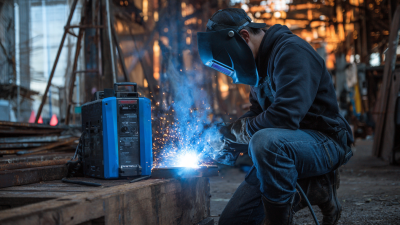
Weight and portability are equally important. Many users prefer models under 50 pounds for ease of transport. This is especially true for hobbyists and professionals who move from site to site regularly. Additionally, user interface matters. A clear display and simple controls enhance the overall experience. Some units feature LED indicators for power and settings, making them easier to use. Quality of the torch also drives efficiency. A comfortable grip minimizes hand fatigue on longer projects.
Lastly, safety features cannot be overlooked. Look for machines equipped with thermal protection. This is crucial when working in varying temperatures or for extended periods. Importantly, reviews show many users undervalue the significance of protective gear, which goes hand in hand with choosing a welding machine. Proper safety measures ensure a smooth welding experience, even with the best equipment.
Essential Tips for Choosing a Mini Welding Machine?
| Feature |
Description |
Importance Level |
| Welding Type |
Choose between MIG, TIG, or Stick welding based on your projects. |
High |
| Power Source |
Check if it operates on AC, DC, or battery for flexibility. |
Medium |
| Weight |
Consider a lightweight model for portability, especially for onsite jobs. |
High |
| Duty Cycle |
Look for a higher duty cycle for longer work sessions without overheating. |
High |
| Adjustment Settings |
Feature for adjusting voltage and wire speed for better control. |
Medium |
| Safety Features |
Include Overload protection and thermal protection for safety. |
High |
| Portability |
Check for handles or shoulder straps for ease in transport. |
Medium |
Assessing Your Welding Needs and Projects for Machine Suitability
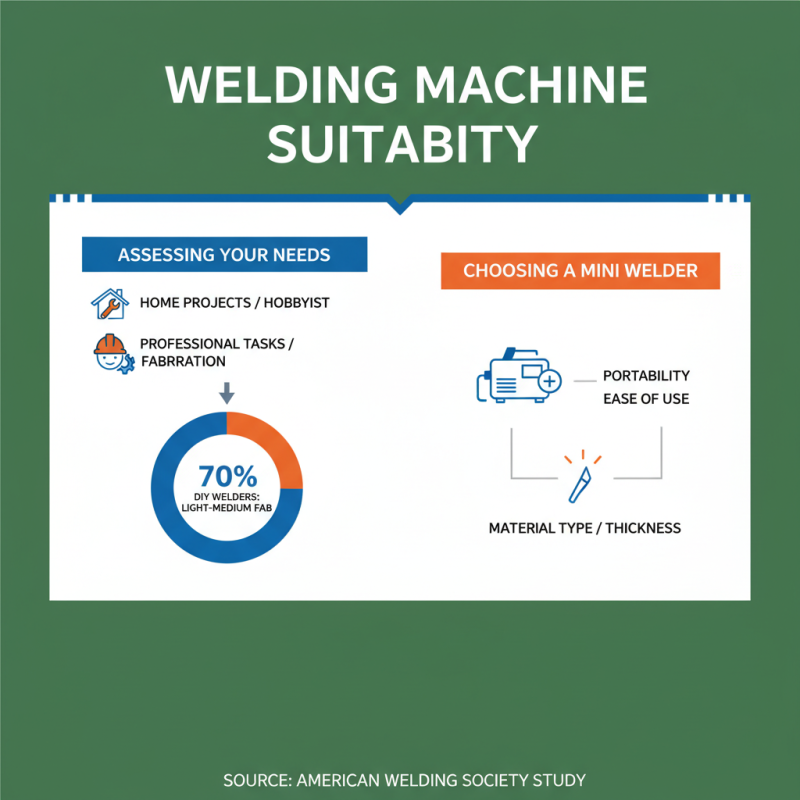
Choosing a mini welding machine starts with understanding your specific needs. Are you working on small home projects, or do you need something for professional tasks? A study by the American Welding Society highlights that nearly 70% of DIY welders prefer machines suited for light to medium fabrication. Knowing this can guide your choice effectively.
Assess the materials you'll be working with. Common options include steel, aluminum, and stainless steel. Each material requires different welding techniques and equipment settings. For instance, aluminum welding needs a machine that can handle higher frequencies. It's crucial to match your machine's capabilities with your project requirements.
Consider portability if you plan to move the machine often. Compact machines are usually lightweight and easier to transport. However, some lighter models may lack features necessary for advanced welding. Even a well-reviewed machine can disappoint if it doesn’t fit your unique projects. Reflecting on previous tasks can help you avoid costly mistakes.
Budgeting for a Mini Welding Machine: Costs and Value
When budgeting for a mini welding machine, understanding costs versus value is crucial. Prices can range widely. Entry-level models start around $150, while more advanced units can exceed $600. Research shows that a significant portion of users—about 52%—spend between $200 to $400. This range often balances affordability with features.
Quality matters in welding. A low-priced machine may lack durability. Conversely, a higher price doesn't always guarantee better performance. For occasional users, a mid-range option might be ideal. For professionals, investing more could yield better results.
**Tips:** Consider the materials you will weld. Different machines cater to specific materials, like steel or aluminum. Pay attention to duty cycles. This indicates how long you can weld before cooling down. Don't overlook the importance of warranties and customer service. Understand these could save you money in the long term.
The market dynamics show that quality machines often lead to better outcomes, hence their higher prices. Yet, not all pricey options deliver superior performance. Reflect on your actual needs to avoid overspending.
Essential Tips for Choosing a Mini Welding Machine
This chart illustrates the typical costs associated with different types of mini welding machines. As you can see, entry-level machines are the most affordable, while industrial machines come at a premium price. Understanding these costs can help you budget effectively when selecting a welding machine that meets your needs.
Safety Considerations and Maintenance Tips for Mini Welding Machines
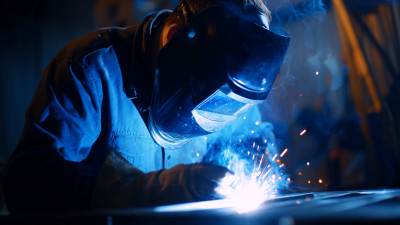
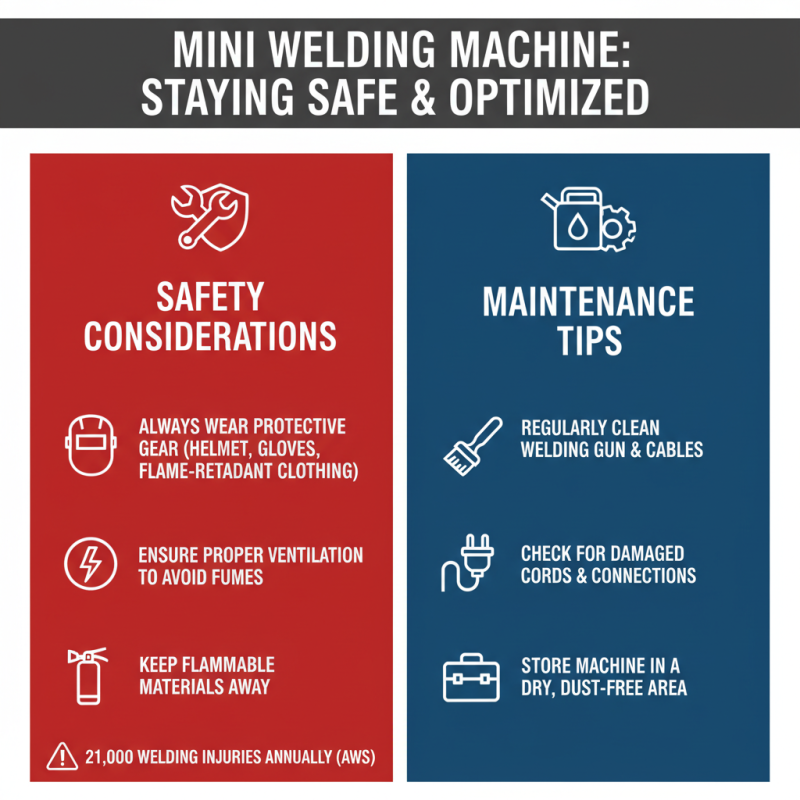
Choosing a mini welding machine involves understanding safety and maintenance. Safety should always be the priority in any welding operation. According to the American Welding Society, approximately 21,000 welding injuries occur each year. Thus, equipping yourself with the right protective gear is crucial. Always wear a welding helmet, gloves, and suitable clothing to shield yourself from sparks and UV radiation.
When maintaining your mini welding machine, regularly inspect cables and connections. A well-maintained machine reduces the risk of electrical hazards. Keep the work area clean to prevent tripping accidents. Dust and debris can affect performance, leading to unnecessary downtime.
Tip: Create a checklist for both safety gear and machine maintenance. This habit reinforces safety and promotes reliability. Remember, ignoring routine checks could lead to serious issues later. Make it a point to allocate time for proper cleaning after every session. A little effort goes a long way in extending the lifespan of your equipment. Commit to safe practices and regular maintenance to enhance your welding experience.