What is a Track Welding Dolly and How Does It Work?
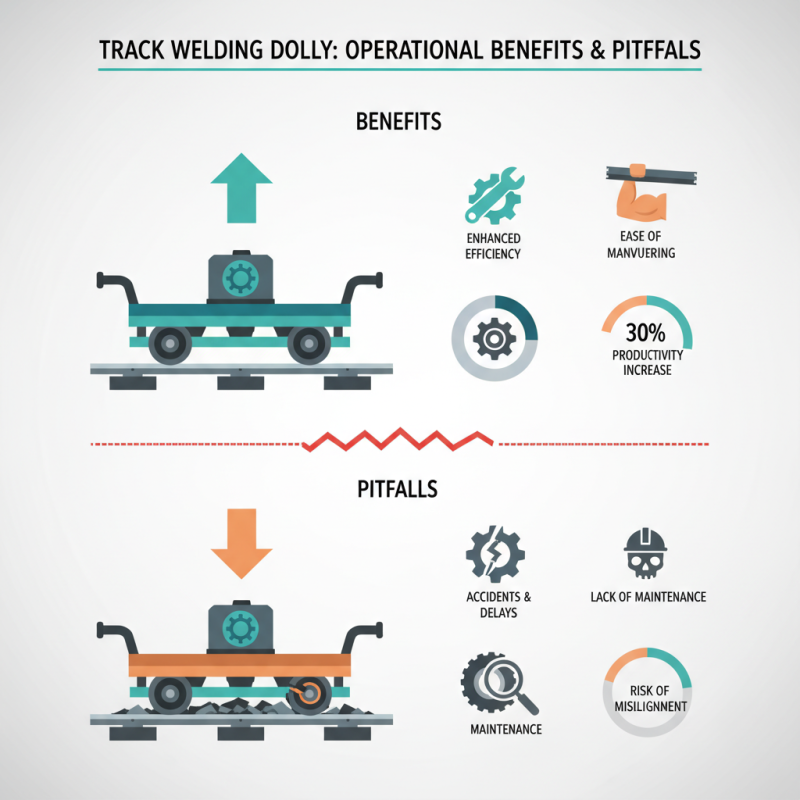
The Track Welding Dolly is a specialized tool designed to enhance welding efficiency. In industries such as rail and construction, it is crucial for managing heavy components during the welding process. According to a report by the American Welding Society, proper equipment can increase productivity by up to 30%.
This tool helps welders maintain precise alignment and stability. With the Track Welding Dolly, users can maneuver heavy steel sections with ease. Its design allows for improved control, reducing the risk of misalignment. In challenging environments, such as high-stakes construction sites, every detail matters.
However, improper use or lack of maintenance can lead to inefficiencies. Some operators overlook the importance of checking the dolly’s wheels and tracks. Such negligence can result in accidents or project delays. Understanding the potential pitfalls is essential for maximizing the benefits of a Track Welding Dolly in any welding operation.
What is a Track Welding Dolly?
A Track Welding Dolly is a specialized tool designed for welding applications. It aids in securing and aligning metal components during the welding process. This tool consists of a wheeled base that allows for smooth movement along tracks or rails. It supports the welding operator by keeping the workpieces stable, which is crucial for ensuring high-quality welds.
Using a Track Welding Dolly offers several advantages. It enhances precision by holding materials in place, reducing the likelihood of misalignment. Additionally, welders can work more efficiently, minimizing downtime and improving productivity. A well-maintained Dolly is key for optimal performance. Ensure that the wheels rotate smoothly and the frame is sturdy.
Tips: Regularly inspect the Dolly for wear and tear. Choose a suitable track and make sure it is clean. If the Dolly becomes difficult to maneuver, it may need repair or replacement. It's essential to remember that no tool is perfect. Each project may present unexpected challenges. Adapting to these situations is part of the learning process in welding. Always strive for progress, not perfection.
Track Welding Dolly Characteristics
This chart illustrates various characteristics of track welding dollies, including the materials used, welding speed, weight, and cost. Understanding these factors can help in evaluating the performance and efficiency of welding operations.
Key Components of a Track Welding Dolly
A track welding dolly is an essential tool in the welding and construction industries. It helps in maintaining consistent positioning of welds during metal fabrication. Understanding its key components is crucial for effective use.
The most critical part of a track welding dolly is the track itself. Tracks are typically made of high-strength steel, allowing them to withstand heavy loads and intense heat. They provide stability during welding tasks. A high-quality track ensures the dolly remains secure, reducing the risks of misalignment and defects. According to industry reports, a well-aligned weld can enhance the strength of a structure by up to 20%.
Another important component is the dolly wheels. These wheels are designed for smooth movement along the track. They must be durable and have good tread for traction. Poor wheel condition can lead to uneven welding seams or even equipment damage. Interestingly, many operators ignore wheel maintenance, thinking it unnecessary. This can result in costly repairs down the line.
Additionally, the welding head of the dolly is vital. It needs to be adjustable for various welding processes. The flexibility can significantly affect the quality of the weld. Operators should ensure that adjustments are made correctly and regularly, as improper settings can lead to inadequate penetration. This oversight can invalidate the entire weld, necessitating rework and increased labor costs.
How a Track Welding Dolly Functions
A track welding dolly serves as a vital tool in the welding process, particularly in construction and repair tasks. It helps position and support components accurately during the welding process. By providing a stable platform, it enhances precision in weld placement, significantly reducing defects. According to the American Welding Society, improper alignment can lead to welding failures in 30% of projects.
The functionality of a track welding dolly involves its design and mechanics. The dolly typically features wheels and tracks that guide and stabilize workpieces. When preparing a joint for welding, workers can easily maneuver heavy pieces into place. This efficiency can improve productivity by up to 25%, according to recent industry reports. However, the dolly's effectiveness depends on proper maintenance and operator training. Many welders underestimate the importance of these factors, which can compromise performance.
Moreover, the application of a track welding dolly can vary across industries. In railways, for instance, it's used to weld tracks securely. In manufacturing, it assists in the assembly of large structures. The versatility is clear, but challenges remain. Welders often report issues with wear and tear on the dolly, which affects its accuracy over time. Regular checks and updates are essential. Awareness of these needs can enhance the overall efficiency of welding operations.
Applications and Benefits of Using a Track Welding Dolly
A track welding dolly is a specialized tool designed to streamline the welding process. Its applications span various industries, including construction, manufacturing, and automotive repair. According to industry reports, the use of welding dollies can increase productivity by up to 30% in some situations. This efficiency is largely due to the dolly's ability to position materials accurately, ensuring optimal welding angles and reducing the need for adjustments.
Benefits of using a track welding dolly include improved weld quality and reduced fatigue for operators. With a dolly, welders can maintain a stable posture while working from different angles. This reduces physical strain, contributing to longer working hours without compromising quality. In addition, utilizing such tools can lower rework rates, as consistent alignment leads to fewer defects. Reports indicate that companies adopting track welding dollies have seen defect rates drop by 15% or more.
**Tip:** Always assess the weight capacity of the dolly before use. It’s essential to ensure it matches your project needs. Regular maintenance can also greatly extend the tool's lifespan and performance, allowing for more efficient operations. Adjusting your technique when using the dolly can also enhance your overall productivity. Consider experimenting with different setups to find what works best for you.
What is a Track Welding Dolly and How Does It Work? - Applications and Benefits of Using a Track Welding Dolly
| Feature |
Description |
Applications |
Benefits |
| Design |
Portable tool with wheels for easy movement |
Construction, manufacturing, repair |
Increased mobility and ease of use |
| Material Compatibility |
Works with various metal types including steel and aluminum |
Automotive industry, metal fabrication |
Versatile for a range of projects |
| Ease of Operation |
User-friendly controls and settings |
Home improvement, DIY projects |
Increased accuracy and reduced labor costs |
| Safety Features |
Equipped with guards and emergency shut-off |
Welding shops, industrial environments |
Enhanced worker safety and compliance with regulations |
| Weight Capacity |
Can support heavy workpieces |
Structural metal work, heavy machinery repair |
Efficiency in handling large components |
Safety Considerations When Using a Track Welding Dolly
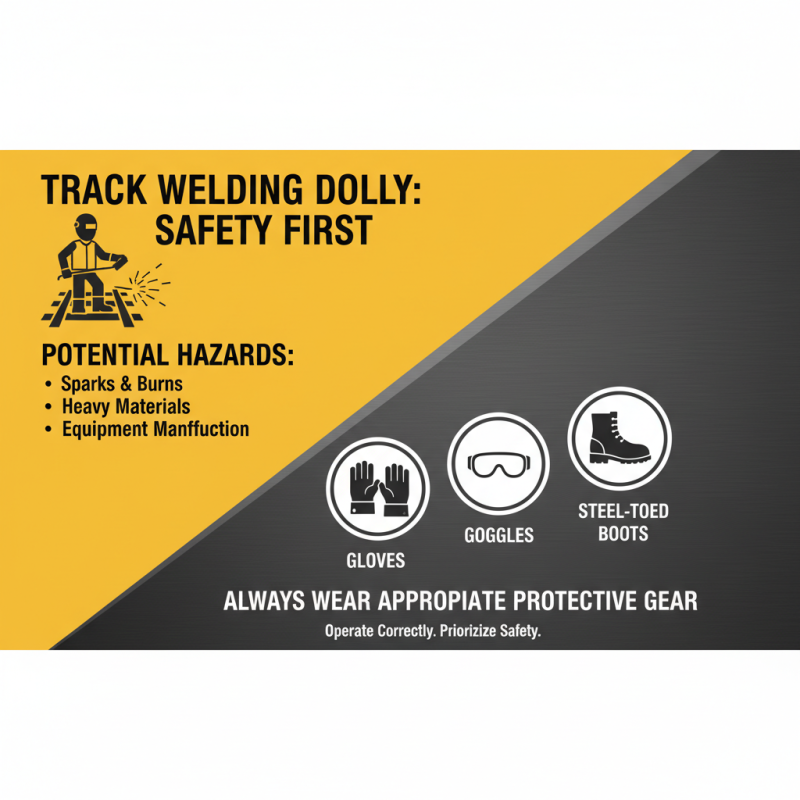
When using a track welding dolly, safety should always be a priority. This equipment can pose potential hazards if not operated correctly. Always wear appropriate protective gear, including gloves, goggles, and steel-toed boots. This gear guards against sparks and potential injuries from handling heavy materials.
Tips: Regularly inspect the dolly for any damages. Check the wheels, handles, and welding components. Any slight wear can lead to major safety issues. Avoid using the dolly on uneven surfaces to maintain stability and control.
Ensuring the work area is cleared of flammable materials is crucial. Sparks can ignite debris, leading to fires. It’s also wise to have fire extinguishing equipment nearby. While working, always maintain awareness of your surroundings to prevent accidents.
Remember, practice makes perfect. Gain experience in a controlled environment before tackling larger projects. Reflect on any mishaps to improve future operations. Safety is not just about protection; it’s about mindfulness and preparation.