Essential Tips for Choosing a Weld Roller Carriage?
When choosing a Weld Roller Carriage, understanding the nuances is crucial. Mike Thompson, an industry expert with over 15 years of experience, emphasizes, “A well-selected carriage can significantly improve welding efficiency.” This highlights the importance of making the right choice.
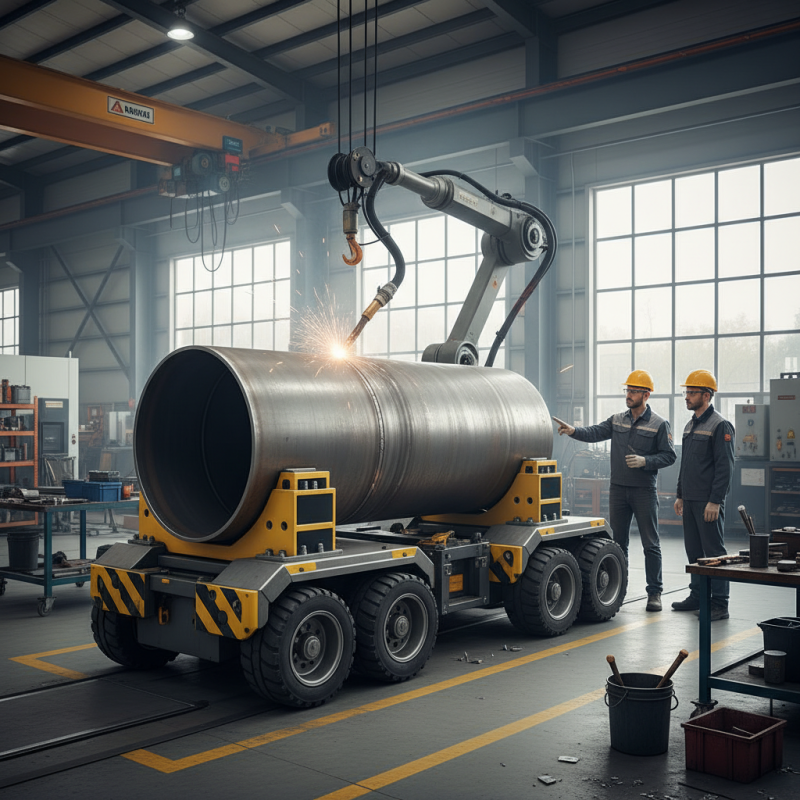
Weld Roller Carriages play a vital role in maintaining alignment during operations. They support heavyweight loads and ensure smooth rotation. Selecting the right one can enhance both safety and productivity. However, many overlook factors such as the weight capacity and material compatibility. Ignoring these details may lead to complications on the job site.
Consider the environment where the Weld Roller Carriage will operate. Factors like temperature and exposure to chemicals can affect its performance. It’s common to underestimate the environmental impact on equipment longevity. Reflecting on these aspects will lead to more informed decisions.
Understanding the Basics of Weld Roller Carriages
Weld roller carriages are critical in industries that rely on precision welding. These devices support and guide welded materials, ensuring accuracy. Understanding their basics is vital for effective selection. A robust carriage can enhance productivity by 20%, according to recent industry reports.
Choosing the right weld roller carriage involves considering load capacity, wheel design, and adjustability. The load capacity must exceed the combined weight of the workpieces. A common oversight is selecting a carriage with inadequate strength. Wheel design affects maneuverability and surface prevention. Carriages with larger wheels often provide easier movement, especially on uneven surfaces.
Additionally, adjustability is crucial. A fixed design may not accommodate varying project dimensions. Operators may find limited flexibility frustrating. It's important to assess user needs and project requirements deeply. Regular reviews of performance can lead to improvements. Monitoring efficiency helps avoid potential downtime.
Key Features to Consider When Selecting a Weld Roller Carriage
When selecting a weld roller carriage, several key features are paramount. The weight capacity is crucial. Assess the maximum weight your projects will require. Look for carriages that can handle more than your heaviest load. Stability is another important factor. A carriage that wobbles can lead to poor welds. Ensure the base is wide enough, and the wheels are durable.
Tips for choosing include checking the materials used in construction. Steel components offer strength, while aluminum can reduce weight. Pay attention to adjustability of the height. A versatile carriage allows for different welding applications. Also consider the wheel size; larger wheels navigate uneven surfaces better.
Don't ignore user reviews. They can reveal hidden issues, like difficulty in setup or maintenance. Check if the carriage can accommodate various pipe sizes. Some may not fit larger diameters well. It's wise to perform hands-on evaluations when possible. This gives insight into its operation and ease of use.
Evaluating Load Capacity and Stability Requirements
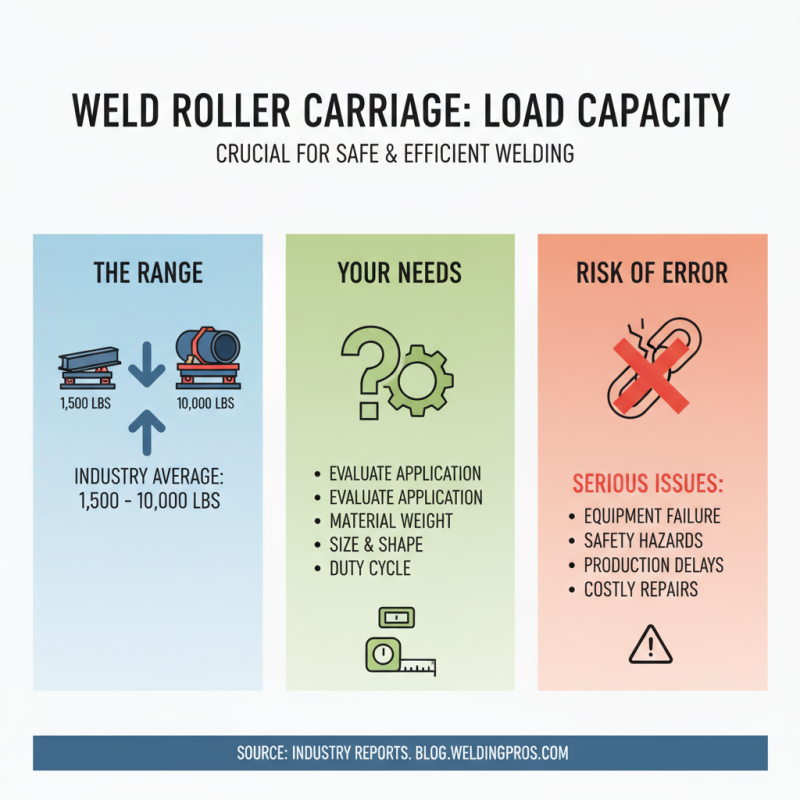
When selecting a weld roller carriage, evaluating load capacity is crucial. Industry reports indicate that the average weld roller carriage supports loads ranging from 1,500 to 10,000 pounds. Understanding your specific application is vital. If you miscalculate your needs, you could face serious issues.
Stability requirements also deserve your attention. A stable carriage minimizes the risk of tipping or shifting during operation. Thorough analysis of your working environment is essential. If the ground surface is uneven, you may need additional reinforcements. Reports show that nearly 30% of accidents occur due to a lack of stability. That’s a significant risk.
Moreover, material quality influences both load capacity and stability. Thicker steel frames offer better support but may increase weight. Finding a balance in material choice is not always straightforward. Regularly reviewing the load limits and stability features can help improve overall performance. Recognizing these factors can enhance safety and operational efficiency in your welding tasks.
Material and Construction: Choosing the Right Weld Roller Carriage
When selecting a weld roller carriage, the material and construction are crucial. The choice of materials directly impacts durability and performance. Steel is common due to its strength, but aluminum offers lightweight benefits. Think about the specific needs of your projects. A heavier carriage can provide stability but may be challenging to move.
Construction quality also matters. Look for solid welds and robust components. A poorly constructed carriage can lead to issues during operation. Inspect the joints and fastening mechanisms carefully. Sometimes, even a small imperfection can cause significant problems later on.
In addition, consider the environment where the carriage will be used. Exposure to harsh conditions can lead to corrosion. While some materials resist this better than others, the design can also impact longevity. Regular maintenance checks are vital. Taking time to reflect on material choices can save headaches down the line.
Essential Tips for Choosing a Weld Roller Carriage
This bar chart illustrates the importance ratings of various factors to consider when choosing a weld roller carriage. Material quality and load capacity are rated most important, reflecting their critical roles in ensuring safety and functionality.
Common Mistakes to Avoid When Selecting a Weld Roller Carriage
When selecting a weld roller carriage, it's easy to overlook critical aspects. Many people only focus on size or load capacity, ignoring the material quality. Using subpar materials can lead to premature wear and compromised safety. Inspect the build quality rigorously. Is it sturdy enough for your projects? Don’t sacrifice durability for a lower price.
Another common mistake is neglecting to consider the specific applications. A one-size-fits-all approach rarely works. Are you welding large, heavy components, or smaller pieces? The roller carriage must fit your specific needs. Measure your items carefully. Finally, always review user feedback. Poor reviews often highlight problems you might encounter. Ignoring this could lead to costly delays. Don't let a hasty decision derail your welding efficiency.