Shandong Popweld Automatic Equipment Co., Ltd.

Leave Your Message
Choosing the 2026 best Portable Tig Welder requires more than comparing wattage, price, or attractive product photos. Global buyers need equipment that performs reliably in workshops, on repair sites, and beside outdoor fabrication projects. A compact machine may look convenient, yet unstable arc control can ruin thin stainless steel within seconds. Weight, duty cycle, pulse control, input-voltage flexibility, torch quality, and after-sales support deserve equal attention.
Jody Collier, a respected TIG welding educator, has often expressed a practical truth: “Good TIG welding starts with control, not speed.” That principle remains highly relevant in 2026. The best Portable Tig Welder should help users control amperage smoothly, maintain a stable arc, and manage heat around delicate joints. Digital displays are useful, but they cannot replace correct gas flow, clean tungsten preparation, and steady hand movement. Small details matter.
Real-world testing can reveal uncomfortable weaknesses. A welder may perform well on a short aluminum sample but struggle during longer repairs. Some models are light, though their cables feel fragile. Others offer impressive specifications but limited technical support in distant markets. That is where this guide needs careful judgment, not blind enthusiasm. It compares leading portable TIG machines through practical welding performance, transportability, safety features, compatibility, maintenance needs, and buyer confidence. The goal is not to name one universal winner. Different users have different materials, power supplies, budgets, and skill levels. The right choice should feel dependable at the workbench and less disappointing after months of use.
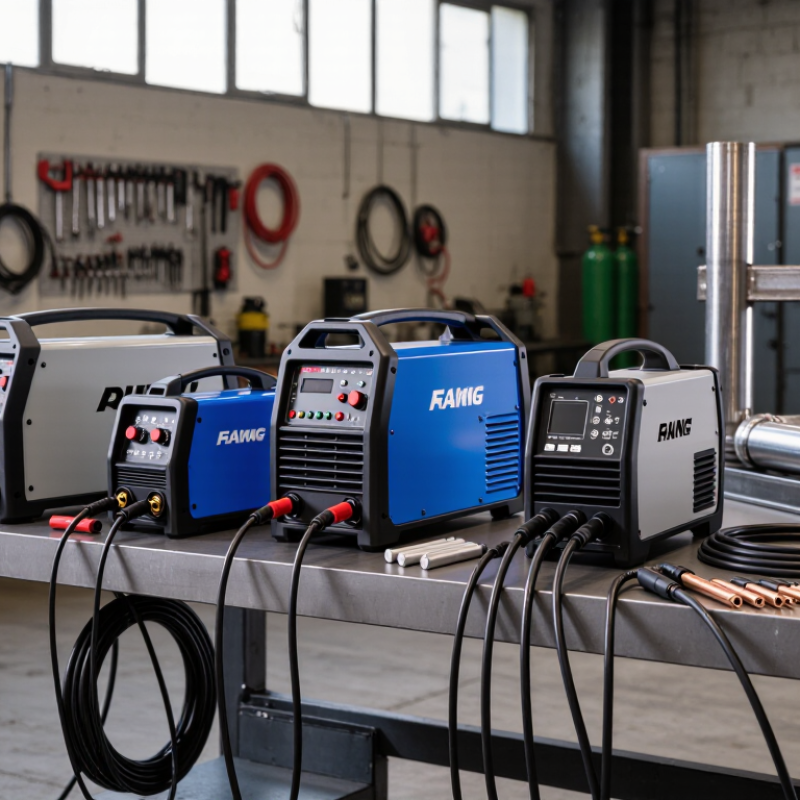
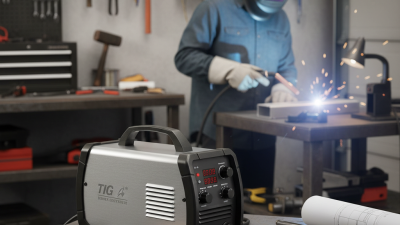
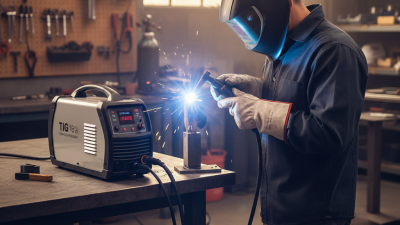
A portable TIG welder is a compact machine that uses a non-consumable tungsten electrode to create precise, clean welds. It usually works with argon shielding gas and can join stainless steel, aluminum, and mild steel. Unlike basic welding equipment, TIG welding gives better control over heat, puddle size, and finish. This matters when repairing thin tubing, vehicle parts, frames, or precision components.
In 2026, global buyers often choose portable TIG welders for flexible workshop and field use. Inverter technology can reduce machine weight while supporting stable arc performance. However, portability should not replace technical checks. Review input voltage, duty cycle, amperage range, cooling design, torch quality, and local plug compatibility. A machine rated for 200 amps may not maintain that output continuously. That detail is easy to overlook. Reliable documentation and accessible replacement parts also matter when purchasing across borders.
Tips: Test the welder on scrap metal before important work. Use clean tungsten and dry filler rods. Check gas flow around 8–12 liters per minute, then adjust for drafts or nozzle size. Leave space for ventilation and follow the operating manual. A small case is convenient, but weak cables or limited duty cycles can reduce real performance. I would also question exaggerated specifications. Actual results depend on material thickness, operator technique, and stable power.
A practical comparison of portable TIG welder configurations, electrical requirements, materials, and buyer priorities.
| Portable TIG Configuration | Best-Suited Materials | Typical Output Range | Input Power Options | Typical Portability | Expected Welding Capability | Key Advantages | Main Limitations | Recommended Buyer Profile |
|---|---|---|---|---|---|---|---|---|
| Compact DC TIG Inverter | Carbon steel, stainless steel, copper and other electrically conductive metals that do not require AC cleaning action. | Approximately 120–200 A DC; commonly suitable for thin to medium sections when properly prepared. | Usually 110–120 V, 220–240 V, or a dual-voltage design, depending on the model. | Lightweight class Often selected when easy transport is more important than maximum output. |
Well suited to thin sheet, tubing, fabrication repairs and maintenance work. Actual thickness depends on amperage, joint design and duty cycle. | Lower purchase cost, simple operation, compact size and efficient inverter technology. | Cannot provide AC TIG for aluminum; lower-voltage operation may reduce maximum output. | Maintenance technicians, hobby welders, mobile repair users and workshops focused on steel or stainless steel. |
| Compact AC/DC TIG Inverter | Steel and stainless steel in DC mode; aluminum and aluminum alloys in AC mode. | Approximately 180–250 A AC/DC; output varies with the available input voltage and duty cycle. | Commonly 220–240 V; some models support 110–120 V and 220–240 V dual-voltage input. | Medium-light class Portable enough for field work while offering broader material coverage. |
Suitable for precision work on thin and medium-gauge components, including aluminum fabrication. | Most versatile portable configuration; supports both DC TIG and AC TIG, often with adjustable pulse and AC settings. | Typically costs more and draws more input power than a basic DC-only unit. | Global buyers who need one machine for steel, stainless steel and aluminum applications. |
| Dual-Voltage AC/DC TIG with PFC | Steel, stainless steel, aluminum and aluminum alloys. | Approximately 160–220 A on higher-voltage input; maximum current is usually lower on 110–120 V input. | 110–120 V and 220–240 V; power-factor-correction circuitry can improve compatibility with limited electrical supplies. | Travel-oriented Designed for workshops and job sites with different power systems. |
Practical for light fabrication, service work and precision welding where electrical infrastructure varies. | Greater electrical flexibility, reduced dependence on one supply voltage and improved suitability for international use. | Performance on low-voltage circuits may be restricted by available current, extension-cord quality and circuit protection. | Contractors, field service teams and buyers working across regions with different mains-voltage standards. |
| Pulse TIG Portable Welder | Thin stainless steel, carbon steel, titanium and heat-sensitive components; AC pulse may also assist with aluminum control. | Approximately 160–250 A, with a pulsed-current function that alternates between peak and background current. | Usually 220–240 V; dual-voltage versions are available in the portable market. | Portable precision class | Particularly useful for thin materials, controlled heat input and visually consistent welds. | Can reduce average heat input, improve puddle control and help manage distortion when correctly adjusted. | Requires more operator skill; pulse settings do not replace correct tungsten selection, shielding gas and joint preparation. | Fabricators, bicycle and tube builders, stainless-steel specialists and precision repair professionals. |
| Multi-Process Portable Welder with TIG Mode | Often supports steel and stainless steel through TIG, with additional MIG/MAG and MMA functions depending on the configuration. | Approximately 160–250 A across the available processes; TIG output may differ from MIG or MMA output. | Commonly 220–240 V; some units accept dual-voltage input. | Portable workshop class | Useful for repair and fabrication tasks requiring TIG plus electrode or wire welding. | One machine can cover several welding processes and reduce the need for separate equipment. | TIG controls, arc characteristics and portability may be less specialized than those of a dedicated TIG machine. | Small workshops, maintenance departments and mobile users who need process flexibility. |
| High-Output Portable AC/DC TIG | Steel, stainless steel, aluminum, aluminum alloys and heavier conductive components. | Approximately 250–300 A; high current normally requires a suitable 220–240 V or higher-capacity electrical supply. | Usually 220–240 V single-phase; some high-output units require specialized electrical arrangements. | Heavy portable class | Better suited to medium and heavier sections, subject to duty cycle, joint preparation and preheating requirements. | Higher current reserve, stronger aluminum capability and longer operating time when the duty cycle is adequate. | Heavier, more expensive and more demanding on the electrical supply than compact models. | Professional fabricators and service teams that need AC/DC capability without a full-size industrial power source. |
How to choose in 2026: Select AC/DC TIG if aluminum is part of the job; choose DC TIG if the work is limited to steel and stainless steel. For international use, verify input voltage, frequency, plug type, protective-earth requirements and local electrical certification before purchase.
Important specification note: Output ranges, weight classes and material capabilities shown above are typical market categories rather than specifications for a particular product. Actual performance depends on duty cycle, input voltage, tungsten diameter, shielding-gas flow, joint design, material thickness and operator technique.
Relevant terminology: TIG is also known as GTAW. AC is commonly used for aluminum because it combines electrode-negative penetration with electrode-positive oxide-cleaning action; DCEN is commonly used for steel and stainless steel.