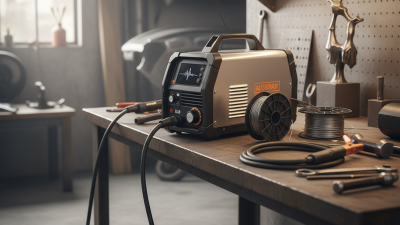
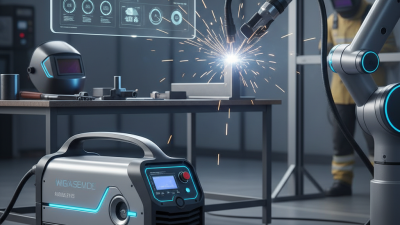
2026 Best Mig Welding Machine for Global Buyers?
Choosing the right Mig Welding Machine can be challenging for global buyers. In 2026, we see advancements in technology and design. Some machines offer better performance, while others focus on user-friendliness.
Understanding your specific needs is crucial. For instance, consider the materials you plan to work with. Will you be welding thin sheets or thick plates? This choice impacts the machine's capacity. Features like feed speed and duty cycle can also influence your project's success. Availability and service support should not be overlooked, either.
As you sift through options, remember that not all machines will meet your expectations. Some may lack durability, while others might fall short on precision. Research is key. Look for user reviews, expert recommendations, and resources that highlight each machine's strengths and weaknesses. This approach ensures you select a reliable Mig Welding Machine tailored to your requirements.
Overview of MIG Welding Machines and Their Importance
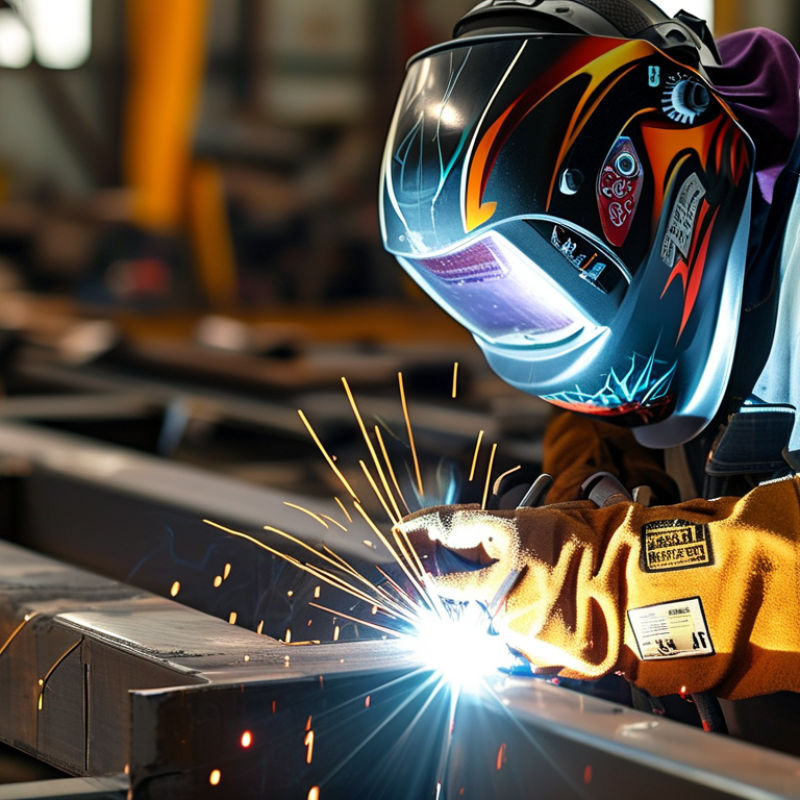
MIG welding, or Metal Inert Gas welding, plays a vital role in various industries. It is widely favored for its ease of use and efficiency. According to the American Welding Society, MIG welding accounts for nearly 50% of all welding processes. This technique is ideal for thin materials and allows for continuous welding, which increases productivity.
The importance of quality MIG welding machines cannot be overstated. They must ensure stable arc performance and offer variable voltage settings. Inaccurate settings can lead to poor weld quality, resulting in costly rework. The fabrication industry heavily relies on these machines for structural integrity. A study found that inadequate equipment can cause up to 30% wasted materials in welding projects.
Additionally, the global demand for MIG welding machines is expected to rise. This demand stems from sectors like construction, automotive, and shipbuilding. As companies prioritize efficiency and cost-effectiveness, investing in advanced MIG welding technology becomes essential. However, not all machines are created equal; buyers must weigh various factors before making a decision. Quality, features, and long-term reliability are critical considerations.
Key Features to Consider When Choosing a MIG Welding Machine
When selecting a MIG welding machine, there are vital features to keep in mind. The welding amperage is essential. Different materials require varying power levels. Consider your projects and choose a machine that fits your needs. A machine with adjustable amperage gives you flexibility. Look for a model that can handle both thin and thick materials effectively.
Another important factor is the ease of operation. Some machines come with intuitive controls that simplify the welding process. An efficient wire feeding system is crucial. It should deliver the welding wire smoothly for consistent results. Ergonomics should not be overlooked. A comfortable grip can make a difference during long welding sessions.
Portability and weight are often neglected features. A lighter machine can be easier to transport for on-site jobs. Consider durability as well; a robust build is key for longevity. Reflect on your experience level. Some machines offer advanced features for seasoned welders, while others cater to beginners. The right choice can greatly impact your welding outcome.
2026 Best Mig Welding Machine for Global Buyers? - Key Features to Consider When Choosing a MIG Welding Machine
| Model |
Welding Output (Amps) |
Voltage |
Wire Diameter (mm) |
Weight (kg) |
Price (USD) |
| Model A |
200 |
230 |
0.8 |
15 |
450 |
| Model B |
250 |
220 |
0.6 |
20 |
550 |
| Model C |
180 |
240 |
0.8 |
10 |
400 |
| Model D |
220 |
120 |
1.0 |
25 |
600 |
| Model E |
300 |
240 |
0.8 |
30 |
750 |
Top Brands and Models of MIG Welding Machines for 2026
As 2026 approaches, the need for reliable and efficient MIG welding machines becomes crucial for various industries. According to the American Welding Society, MIG welding accounts for over 60% of welding processes used globally. This significant percentage underscores the importance of selecting the right machine to meet specific project requirements.
Top brands in the welding machine market focus on reliability and ease of use. Many models offer advanced features like auto-resetting thermal overload protection. This plays a vital role in ensuring the safety of operators and extending the machine's lifespan. Industry reports estimate that modern machines can save up to 30% in energy costs compared to models from just five years ago. This makes choosing an updated model essential for both productivity and sustainability.
However, not all MIG welding machines perform equally well under different conditions. Some models may struggle with thicker materials or inconsistent feed rates, leading to issues like burn-through or poor bead appearance. Users should consider factors like duty cycle and voltage range to find the right fit for their needs. Investing in training for operators can also help mitigate these performance challenges and ensure optimal use of advanced machines.
Comparative Analysis of MIG Welding Machines: Price vs. Performance
When selecting a MIG welding machine, price and performance are crucial factors to consider. The market offers a range of options, each varying in features and capabilities. Some machines boast advanced technology that enhances welding quality, while others focus on affordability. Buyers often face a dilemma: invest in a high-performance machine or stick to a tighter budget.
Performance can significantly impact the quality of welds produced. A more expensive machine might offer better arc stability and faster welding speed. This can lead to cleaner welds, reducing the need for additional cleanup. However, cheaper models can be a tempting option for beginners or hobbyists. They can still deliver decent performance for simpler tasks, but users may later realize limitations in durability and functionality.
There’s a trade-off to consider. Enthusiasts may find it necessary to upgrade sooner than expected. The excitement of starting a welding project often overshadows the practicality of investment. Hence, research and personal experience play vital roles in making an informed decision. Analyze specific needs and long-term goals before committing to a purchase. Prioritizing performance while balancing budget constraints remains an ongoing challenge for many buyers.
User Reviews and Expert Recommendations for Global Buyers
When searching for the best MIG welding machine in 2026, user reviews hold significant value. Prospective buyers often share insights from their hands-on experiences. These reviews provide practical information that can guide your selection. For instance, many users highlight the importance of ease of use. A user-friendly interface can make a big difference, especially for beginners.
Expert recommendations also enhance the decision-making process. Welding professionals analyze machines based on various criteria. Factors like durability, performance, and portability are commonly discussed. Some experts emphasize the need for proper training. Without it, even the best machine may not perform to expectations. Additionally, users sometimes mention unexpected issues, such as compatibility with materials. This feedback can signal potential pitfalls.
Ultimately, careful consideration of both user experiences and expert advice can lead to better choices. The right machine can elevate your welding projects. However, be ready to adapt and learn along the way. Every experience provides an opportunity for growth in this craft.
2026 Best Mig Welding Machines User Ratings