Discover the Best Welding Intelligence Solutions for 2026?
As the welding industry evolves, "Welding Intelligence" emerges as a pivotal solution for enhancing productivity and efficiency. In 2026, integration of advanced technologies will redefine standard practices. John Smith, a leading expert in the field, emphasizes, “Welding Intelligence will shape the future by optimizing workflows and enhancing precision.”
This growing trend incorporates data analytics and artificial intelligence. These technologies enable real-time monitoring, ensuring higher quality and reduced waste. With proper implementation, companies can foresee challenges and adapt strategies accordingly. However, not all organizations have successfully navigated this transition. Many still grapple with outdated methods and lack adequate training.
It's crucial for businesses to recognize the potential of "Welding Intelligence." Embracing these solutions offers a pathway to success. The welding industry faces obstacles ahead. However, with a commitment to innovation, the rewards can be significant. Time will tell which companies rise to the challenge.

Understanding the Importance of Welding Intelligence Solutions in 2026
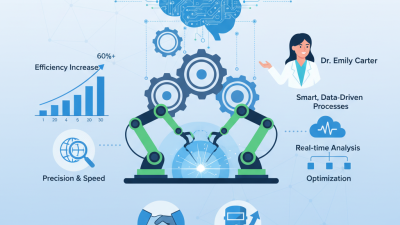
In 2026, the importance of welding intelligence solutions will be more pronounced than ever. Companies increasingly realize that integrating data analytics and intelligent systems can vastly improve efficiency. Reports suggest that manufacturers using smart welding solutions can boost productivity by up to 25%. This shift towards tech-driven processes is being propelled by the growing demand for precision and quality in fabricating materials.
Welding processes generate vast amounts of data. Leveraging this information can lead to real-time decision-making improvements. For instance, predictive maintenance can prevent downtime and increase operational lifespan. Yet, many organizations fail to analyze their data effectively, missing out on potential benefits. Implementing a robust data collection system is essential.
**Tip:** Regularly train your team on data management. Continuous education keeps everyone updated on the latest trends and technology.
The landscape of welding technology is ever-evolving. It’s crucial to start assessing your current systems now. Many companies end up stuck in outdated practices, risking their competitive edge. Adapting to advanced welding intelligence solutions can offer a pathway to innovation.
**Tip:** Invest in pilot programs. Testing new tools on a small scale can provide valuable insights without overwhelming resources.
Welding Intelligence Solutions Trends in 2026
This chart represents the importance levels of various welding intelligence solutions expected to be crucial in 2026. Automation and data analytics are projected to be the most important, with emphasis on enhancing efficiency and decision-making in the welding industry.
Key Technologies Driving Welding Intelligence Advancements for the Future
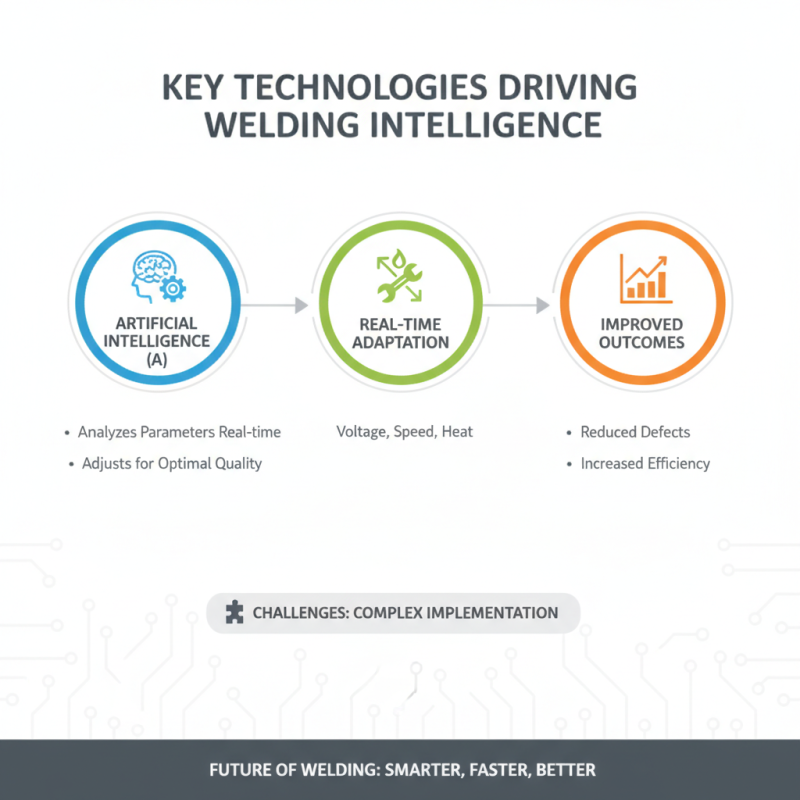
Welding intelligence is evolving rapidly, driven by several key technologies. One significant advancement is the integration of artificial intelligence (AI) in welding processes. AI algorithms analyze welding parameters in real time. They can adjust voltage, speed, and heat to optimize the quality of welds. This reduces defects and improves efficiency. Many companies are experimenting with AI, but the implementation stage can be challenging.
Another noteworthy technology is the use of sensors and IoT devices. These tools collect data throughout the welding process. Data analytics platforms then process this information, providing valuable insights. However, the effectiveness of this technology heavily relies on data accuracy. Flawed data can lead to poor decisions.
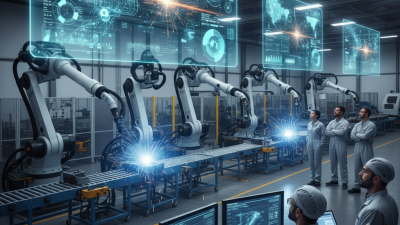
Additionally, automation in welding is gaining traction. Robotic welding systems are becoming more common. They enhance precision and productivity but require skilled operators for setup and maintenance. Balancing automation with human expertise remains a critical challenge. Companies must consider these factors to fully embrace the future of welding intelligence.
Evaluating Top Welding Intelligence Solutions Available in 2026
Welding intelligence solutions are set to redefine the industry in 2026. Evaluating these offerings requires a keen understanding of technology and its integration into workflows. It's no longer just about machines; it's about smart systems that enhance productivity. Robust data analytics features help identify patterns and predict equipment failures. This predictive maintenance can significantly reduce downtime and costs.
When assessing these solutions, consider ease of use. The interface should facilitate quick training and adoption. Furthermore, integration with existing tools is essential. Some solutions may promise advanced features but fall short on compatibility, creating barriers for teams already in operation. Real-world feedback from professionals highlights areas for improvement.
Customization options should not be overlooked. Every welding operation has unique needs. Out-of-the-box solutions may not fit all scenarios. Seeking solutions that allow for flexibility can lead to optimized processes. Implementation challenges might arise, as teams adapt to new systems. It’s important to remain adaptable and patient during this phase. Embracing this intelligence can lead to significant advancements in quality and efficiency.
Comparative Analysis of Features in Welding Intelligence Tools
As industries evolve, welding intelligence tools are becoming essential for efficient operations. In 2026, the demand for advanced solutions will grow. A comparative analysis reveals key features that distinguish these tools. Real-time monitoring stands out as a vital aspect. It allows operators to track welding parameters instantly. This feature eliminates guesswork and enhances product quality.
Another important element is data analytics. Effective tools should offer robust analytics capabilities. These tools transform raw data into actionable insights. By understanding trends, businesses can optimize their welding processes. However, ensure that the data is accurately collected. Poor data quality can lead to misguided decisions.
For best results, consider the integration of automation. Automated systems improve precision and reduce human error. Yet, reliance on automation may lead to skill degradation among workers. Balancing technology and human expertise is crucial. Also, user-friendly interfaces are not just fancy add-ons. They help operators to navigate the system easily, reducing training time.
Tip: Always evaluate the scalability of the welding tools. As your operations grow, you need solutions that can adapt and expand with you. Regularly seek feedback from operators to refine operations and tool efficacy.
Future Trends and Predictions for Welding Intelligence Beyond 2026
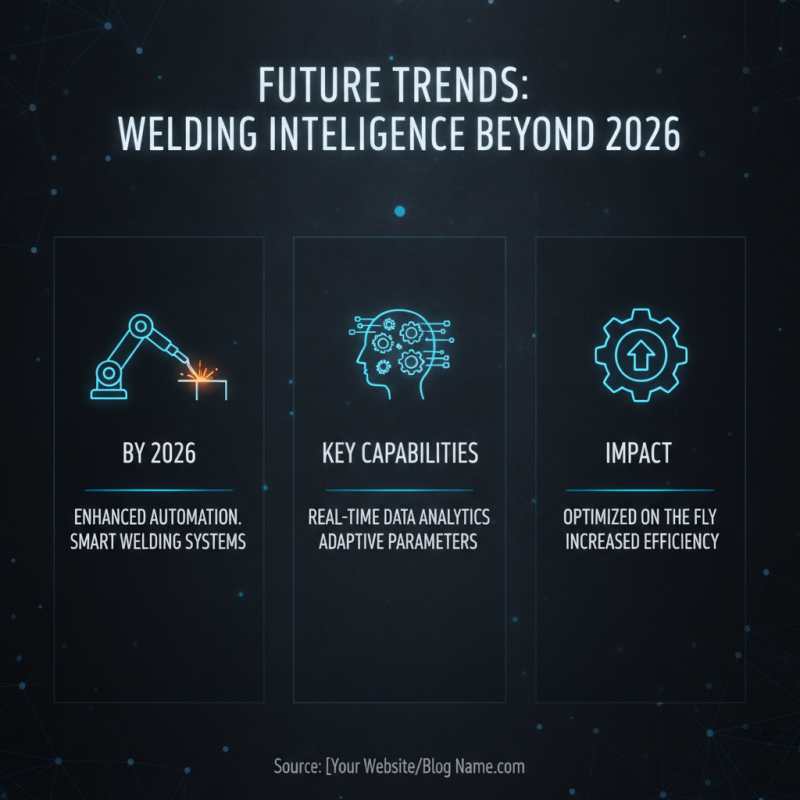
The future of welding intelligence is evolving rapidly. By 2026, we will see enhanced automation in welding processes. Smart welding systems will leverage real-time data analytics. This means machines will adapt to varying conditions. They will optimize parameters on the fly. As a result, efficiency will likely increase.
Machine learning will play a crucial role. By analyzing historical data, systems will predict potential failures. This predictive maintenance will reduce downtime significantly. However, reliance on technology may pose challenges. Training skilled operators to interpret data is essential. Understanding machine outputs is not always straightforward.
Moreover, integrating welding intelligence with IoT technology will reshape industry practices. Remote monitoring will enable real-time adjustments across locations. Yet, there is a need for robust cybersecurity measures. Protecting sensitive operational data is critical. As we embrace these advancements, the importance of human oversight cannot be overstated. Balancing technology with skilled expertise remains a key concern for the industry.