Welding is more than just a skill; it’s a craft that requires intelligence and precision. According to the American Welding Society, the welding industry is projected to grow by 26% over the next decade. This growth demands a new generation of skilled welders equipped with "Welding Intelligence." Experts like Dr. Jane Smith emphasize, "Understanding the nuances of welding can prevent mistakes and elevate craftsmanship."
Learning to weld is not just about mastering techniques. It involves understanding materials, safety protocols, and equipment. Many beginners face common challenges that can seem daunting. For instance, a lack of knowledge about different welding methods often leads to improper techniques. Each method requires specific concentrations of precision.
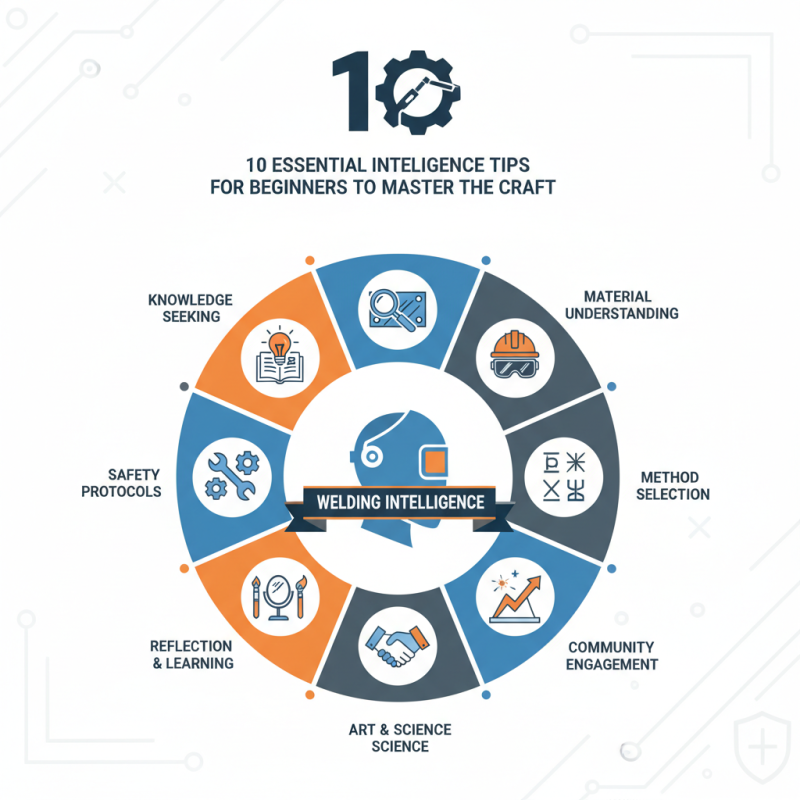
As you embark on your welding journey, consider seeking knowledge actively. Reflection on past mistakes is crucial for growth. The welding community believes that to achieve true craftsmanship, one must cultivate an informed and intelligent approach. “Welding Intelligence” goes beyond mere practice; it involves studying the art and science behind it.
Welding is an intricate craft with many fundamental concepts. Understanding these basic principles is crucial for beginners. One key concept is the importance of safety. Always wear proper protective gear to shield yourself from sparks and intense light. Gloves and helmets are not just optional; they are essential.
Another vital aspect is learning the types of welding techniques. MIG welding is often recommended for novices because it is versatile and easier to control. Stick welding, while robust, can be more challenging to master. Understanding your materials is just as important. Different metals require different welding approaches. Use the appropriate filler material to achieve a successful bond.
Beginners often overlook the significance of practice. Each attempt should be seen as a learning opportunity. It’s essential to reflect on what went wrong after a failed weld. Did the arc maintain its stability? Was the heat level appropriate? This self-assessment will guide your development. Embrace mistakes; they are part of growth in welding. Focus on honing your skills, and remember, mastery comes with time and persistence.

This bar chart illustrates the skill progression of beginners in various essential areas of welding. The chart highlights key concepts that new welders should focus on to master the craft effectively. A score out of 10 evaluates their proficiency in each category.
In welding, safety is paramount. Beginners often overlook essential practices that can prevent accidents. A report from the American Welding Society highlights that nearly 30% of welding-related injuries stem from improper safety gear. This statistic underscores the need for proper protective equipment. Wearing helmets, gloves, and protective clothing is critical in preventing burns and injuries.
Proper ventilation is another vital safety practice. According to the Occupational Safety and Health Administration, inadequate ventilation can lead to the inhalation of harmful fumes. Beginners should always work in well-ventilated areas or use exhaust systems to minimize exposure. Ignoring this can lead to serious health issues over time.
Fire hazards also pose significant risks during welding. A study by the National Fire Protection Association notes that welding is responsible for many workplace fires. Beginners must ensure their workspace is clear of flammable materials. Using fire-resistant mats can also enhance safety. These details may seem minor, but neglecting them can lead to catastrophic outcomes. Reflecting on safety measures is essential for every novice welder.
| Tip Number | Welding Tip | Description | Safety Practice |
|---|---|---|---|
| 1 | Understand Welding Types | Learn about MIG, TIG, and Stick welding processes. | Wear appropriate PPE including gloves and face shield. |
| 2 | Practice on Scrap Metal | Get comfortable with your technique before working on projects. | Ensure proper ventilation when welding scrap. |
| 3 | Learn to Read Blueprints | Understand how to interpret welding symbols and instructions. | Keep a safe distance from potential hazards on the project site. |
| 4 | Adjust Your Settings | Fine-tune your welding machine settings for the material you are using. | Check that the work area is clear of flammable materials. |
| 5 | Master the Travel Speed | Find the right speed to ensure proper bead appearance and penetration. | Use an appropriate fire extinguisher nearby. |
| 6 | Control Heat and Cooling | Manage heat input to prevent warping and distortion. | Wear heat-resistant gloves and clothing. |
| 7 | Experiment with Different Positions | Practice welding in flat, horizontal, vertical, and overhead positions. | Use a sturdy ladder or scaffolding for overhead work. |
| 8 | Keep Your Equipment Clean | Regularly clean your torch and check cables for damage. | Disconnect equipment when not in use for safety. |
| 9 | Seek Feedback | Ask experienced welders for tips and critiques of your work. | Ensure you are in a safe and supportive learning environment. |
| 10 | Stay Updated on Welding Techniques | Continuously learn and adapt new techniques and technologies. | Follow all safety protocols as technologies evolve. |
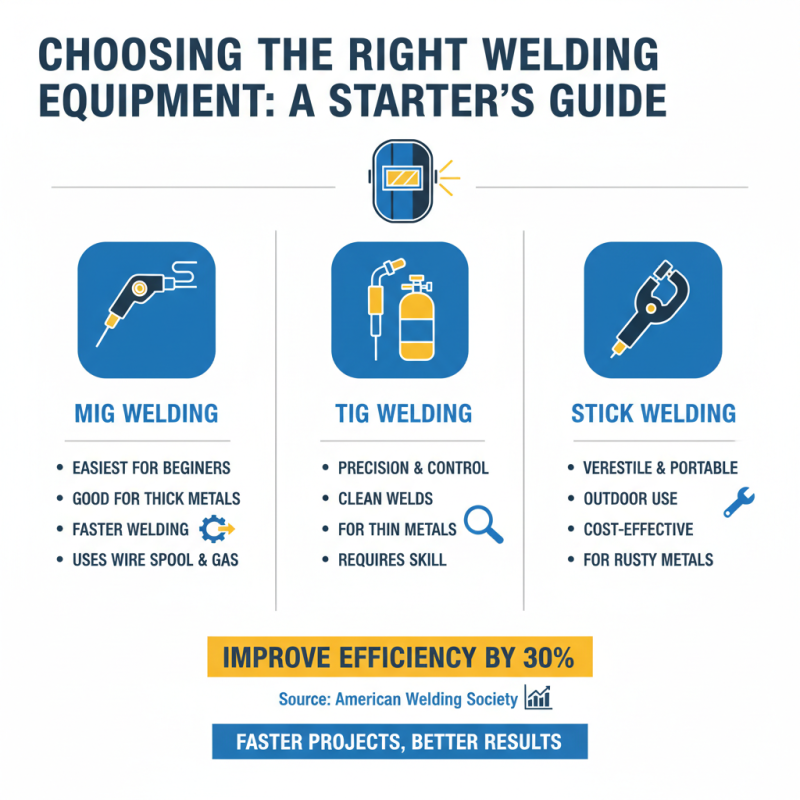
Choosing the right welding equipment is crucial for beginners. Various welding processes, such as MIG, TIG, and Stick welding, require specific tools. A study by the American Welding Society highlights that proper equipment selection can improve efficiency by 30%. This means faster completion of projects and better overall results.
When starting out, look for a welder that matches your skill level. Entry-level MIG welders are often user-friendly and versatile, ideal for home projects. However, some beginners may overlook safety gear. Protective equipment, such as helmets and gloves, is non-negotiable. Inadequate safety can lead to serious injuries; a report by OSHA shows that over 30% of welding accidents occur due to lack of proper gear.
Budget is another common concern. Many new welders might prioritize cost over quality. While it’s tempting to buy the cheapest option, long-term investments in reliable equipment often pay off. A good welder can last years and enhance your craftsmanship. Reflect on your needs and choose wisely. Remember, the right tools elevate the quality of your work.
Welding is a vital skill in modern manufacturing and construction. According to the American Welding Society, there will be a demand for 223,000 new welders by 2025. This need emphasizes the importance of improving welding skills for newcomers. Techniques, such as understanding the properties of different metals, can significantly enhance performance. Knowing how each metal reacts to heat is crucial. For instance, aluminum requires different techniques compared to steel due to its thermal conductivity.
Practice is key in mastering welding. Regularly working on different projects allows beginners to face various challenges. Keeping a welding journal can track progress and identify repeated mistakes. This reflection process enables welders to make necessary adjustments. Also, seeking feedback from seasoned professionals can provide insights that textbooks may lack. Data from the Bureau of Labor Statistics shows that those with practical training and experience tend to earn higher wages.
Safety is equally important while developing skills. Proper gear must be worn, and environments should be inspected for hazards. Beginners should not underestimate the importance of safety protocols. Learning to recognize potential risks helps foster a safe workspace and boosts confidence. Balancing skill development with safety practices leads to a more successful welding career.
Welding can be challenging, especially for beginners. Understanding common mistakes can help you improve faster. Many novices struggle with poor joint preparation, which can lead to weak welds. A study by the American Welding Society indicates that up to 30% of defects in welding stem from inadequate surface cleaning. Always ensure surfaces are free from rust, oil, and debris before starting.
Another frequent error is incorrect heat settings. Too much heat can cause warping or burn-through. Conversely, too little heat may lead to a lack of fusion. Research shows that approximately 40% of welders report issues related to heat settings. Adjusting your equipment to the material's specifications is crucial for strong, reliable welds.
Not following proper safety protocols is also a big concern. According to industry data, more than 50% of welding injuries are caused by not wearing the appropriate protective gear. Always wear gloves, masks, and protective clothing to safeguard against sparks and UV exposure. Recognizing these common pitfalls will create a safer, more effective welding experience.