Discover China Top Welding Intelligence Solutions for Global Buyers?
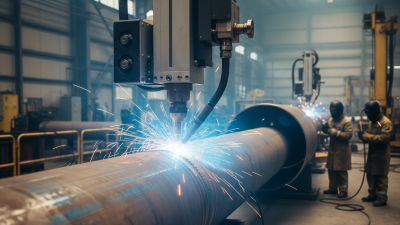
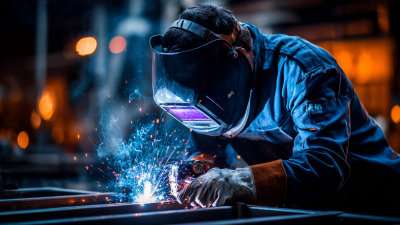
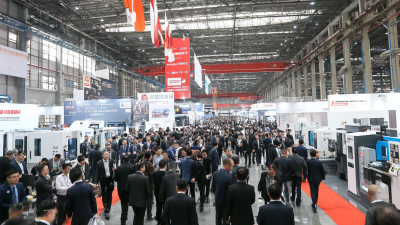
As the global demand for precision and efficiency grows, welding intelligence emerges as a critical focus for manufacturers. China, a leader in welding technology, offers innovative solutions tailored for diverse industries. Global buyers can benefit from these advancements, streamlining their production processes and enhancing product quality.
Welding intelligence encompasses advanced software, automation, and data analytics. These tools help operators optimize their workflows and improve decision-making. However, finding the right solution can be challenging. With numerous options available, buyers must evaluate their specific needs. It's essential to consider factors like compatibility and scalability.
In this evolving landscape, Chinese companies are at the forefront of welding intelligence. Their expertise and commitment to research and development create reliable solutions. However, this rapid progress also raises questions about standardization and quality assurance. Addressing these concerns is crucial for maintaining trust in global transactions.
Overview of China's Welding Industry and Market Dynamics
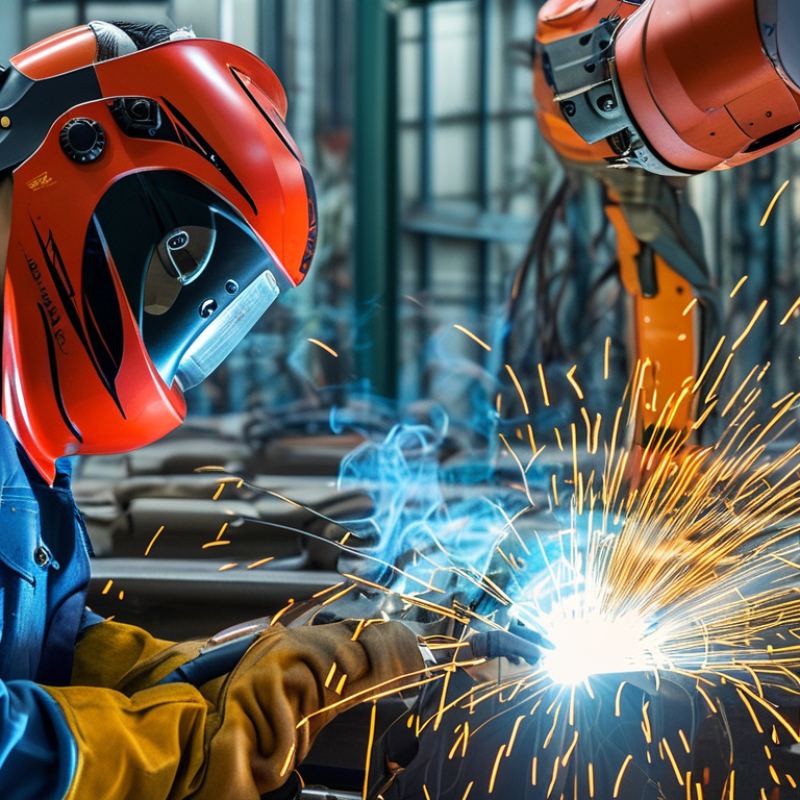
China's welding industry has witnessed remarkable growth in recent years. According to a report by the International Federation of Robotics, the country accounted for over 30% of global industrial robot sales in 2022, significantly impacting welding automation. This trend indicates a shift toward advanced technologies, which help improve efficiency and safety in welding processes. China's shipbuilding and automobile sectors drive this growth, but challenges remain in maintaining quality and consistency.
The market dynamics reflect a rapid evolution. The demand for skilled labor in welding continues to outpace supply. A 2021 survey highlighted that 70% of companies faced difficulties in finding qualified welders. This shortage may lead to increased labor costs and project delays. Operators must invest in training programs and advanced welding technologies to address these gaps.
Reviewing the current landscape suggests that while opportunities abound, key areas need attention. Many companies overlook the importance of quality control in welding processes. Regular assessments and updates to equipment can enhance productivity and reduce waste. Emphasizing continuous education for welders is also paramount to keep up with evolving industry standards. Staying informed about market shifts can help businesses adapt and thrive in this competitive environment.
Key Technologies Behind China's Welding Intelligence Solutions
China has emerged as a leader in welding intelligence solutions, driven by innovative technologies. The integration of AI into welding processes enhances precision and efficiency. Smart sensors monitor real-time data, reducing error rates and improving weld quality. Automation plays a crucial role as robots take on repetitive tasks. This allows skilled workers to focus on complex operations.
One critical technology is laser welding. It provides high accuracy and speed, especially in thin materials. This technique minimizes heat-affected zones, reducing distortion. However, it requires careful handling and operator training, which poses challenges for some industries.
For buyers exploring these solutions, consider the importance of after-sales support. Training and technical assistance can significantly impact the success of new technology. Effective communication with suppliers is essential to understand capabilities and limitations. With the right approach, businesses can leverage China's advancements to enhance their welding operations. Embracing emerging technologies is a step toward future-proofing manufacturing processes.
Leading Chinese Companies in Welding Technology and Innovation
China is rapidly advancing in the field of welding technology, becoming a leader in innovation. The country now holds a significant share of the global welding equipment market, estimated to reach $30 billion by 2024. This growth reflects China's commitment to technological development, supported by extensive investments in research and development.
Numerous Chinese companies are paving the way in welding solutions, focusing on high efficiency and automation. Recent studies show that the adoption of automated welding processes can lead to productivity increases of over 25%. However, some organizations still rely on outdated methods, highlighting a gap that must be addressed to keep pace with global competitors.
Moreover, Chinese firms prioritize sustainability in welding practices. Reports indicate that green welding technologies reduce emissions by 40%, although many manufacturers still face challenges in implementation. As the industry shifts toward sustainable practices, collaboration among Chinese companies can enhance their competitive edge. This industry evolution is critical for shaping the future of welding on a global scale.
China's Welding Technology Innovation Performance
Global Trends Shaping the Welding Solutions Market
The welding solutions market is evolving rapidly. Global trends significantly influence this industry. For instance, the rise of automation and robotics is reshaping processes. According to a recent report by Industry Research, the welding equipment market could reach $20 billion by 2025. This growth highlights the demand for innovative solutions.
Sustainability is another critical factor. Companies now prioritize eco-friendly practices. A report from MarketsandMarkets indicates a 10% growth in sustainable welding materials over the next few years. However, not all companies are adapting quickly enough. Some still rely on traditional methods, which could hinder their competitiveness.
Moreover, the workforce gap in skilled welding professionals poses challenges. The American Welding Society projects a shortfall of over 300,000 welders by 2024. This shortage can impact productivity and quality. Addressing this issue requires investment in training and education. As global buyers seek the best welding solutions, understanding these trends is crucial for making informed decisions.
Factors for International Buyers to Consider When Sourcing in China
When sourcing welding solutions in China, international buyers should consider several key factors. Quality is paramount. Many buyers might be drawn to low prices initially, but cheap materials can lead to problems down the line. A careful inspection of product specifications and certifications is essential. Meeting international standards can save time and costs in the future.
Communication plays a vital role in the sourcing process. Language barriers can lead to misunderstandings. Clear communication channels are necessary for successful negotiations. Buyers need to be proactive in seeking clarifications to avoid costly mistakes. Building a good rapport with suppliers can facilitate smoother transactions.
Lastly, evaluating supplier reliability is crucial. Not every manufacturer in China has the same reputation or operational standards. Buyers should research potential partners thoroughly. Requesting references and visiting factories, if possible, can provide deeper insights. Many buyers overlook this step and later face challenges due to reliability issues. Taking the time to assess both the capabilities and integrity of suppliers will contribute to a successful sourcing experience.
Discover China Top Welding Intelligence Solutions for Global Buyers
| Welding Technology |
Application |
Material Compatibility |
Average Cost (USD) |
Lead Time (Weeks) |
Key Feature |
| Laser Welding |
Automotive |
Steel, Aluminum |
7500 |
4 |
High Precision |
| TIG Welding |
Aerospace |
Stainless Steel, Copper |
5500 |
3 |
Clean & Precise |
| MIG Welding |
Construction |
Steel, Aluminum |
4000 |
2 |
Versatile |
| Spot Welding |
Electronics |
Sheet Metal |
3000 |
1 |
Fast Cycle Time |