2026 How to Choose Welding and Machine Tools for Your Projects?
When embarking on a new project, the right tools can make all the difference. This is especially true for welding and machine tools. Choosing the proper equipment can be overwhelming. With so many options available, how do you decide?
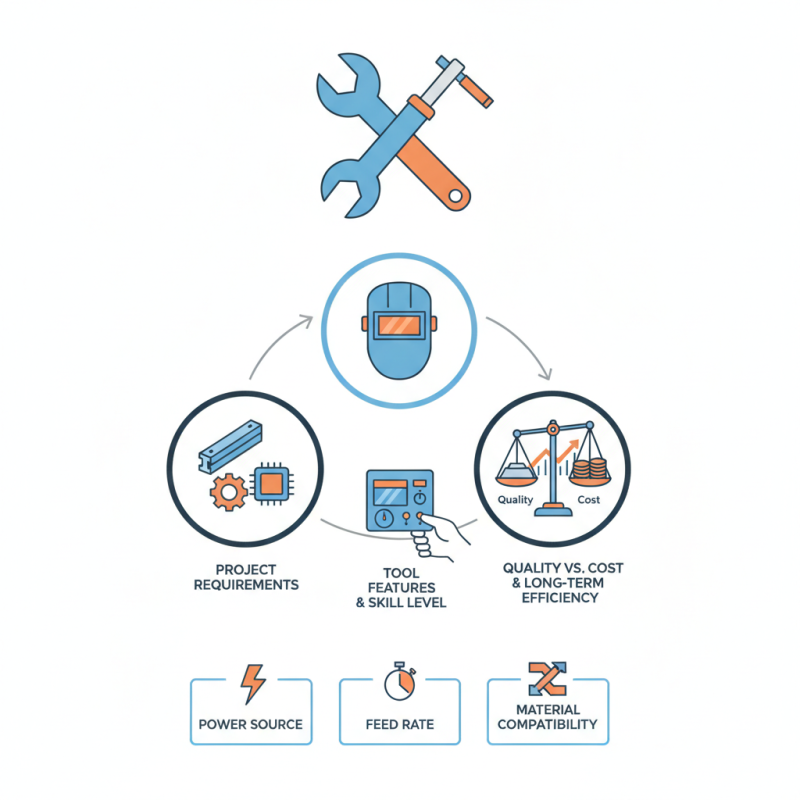
Welding and machine tools come in various types and specifications. It's essential to assess your project requirements first. Are you working on metal fabrication or a delicate repair? Knowing this helps narrow your choices significantly. Furthermore, observe the features of these tools closely. They should match your skill level and project complexity. Many tools look appealing on paper but may not perform well in practice.
Reflecting on past choices can also guide you. Many users often regret not prioritizing quality over cost. Investing in reliable tools is beneficial for long-term efficiency and safety. In the welding and machine industry, this means understanding power sources, feed rates, and material compatibility. Only then can you make a more informed decision.
Understanding the Basics of Welding and Machine Tools
Welding and machining are essential skills in various projects. Understanding the basics can help you choose the right tools. When selecting welding tools, consider the materials you'll work with. Different metals require specific techniques and equipment. For instance, MIG welding is great for thin materials, while TIG is better for precision work. Ensure your tools match your project needs.
Tips: Always wear protective gear. A welding helmet and gloves can prevent accidents. Practice on scrap materials to refine your technique. It’s okay to start small and make mistakes. Every welder has faced challenges. Documenting your experiences can help you improve over time.
Machine tools also have specific functions. Lathes, mills, and grinders each contribute differently. Lathes are crucial for shaping, while mills are used for cutting. Understanding these tools enhances your project quality. Explore each tool's limits. Testing their capabilities can reveal unexpected results. Don’t shy away from re-evaluating your methods as you progress. Embrace mistakes as opportunities to learn.
Identifying Your Project Requirements and Specifications
Identifying project requirements is crucial in choosing the right welding and machine tools. Start by assessing the materials you will work with. Are they thick steel or thin aluminum? Your selection depends heavily on this detail. Consider what type of joints you need to create. Each project has unique specifications that require specific tools to achieve desired quality.
Tips: Create a checklist. List all your project needs and specifications. This helps visualize what tools you require. Don't overlook current tool capabilities. Evaluate if your existing tools can achieve your project goals or if you need new purchases.
Think carefully about the environment in which you will work. Indoor and outdoor settings can affect tool choice. Power requirements may change based on location. Additionally, ensure tools are up to date. Outdated technology can lead to inefficiency or safety issues.
Tips: Always consult with experienced welders or machinists. Their insights can prevent costly mistakes. Sometimes, collaboration can expose new perspectives that enhance your understanding. Be reflective on past projects, and learn from any missteps.
Evaluating Different Types of Welding Processes
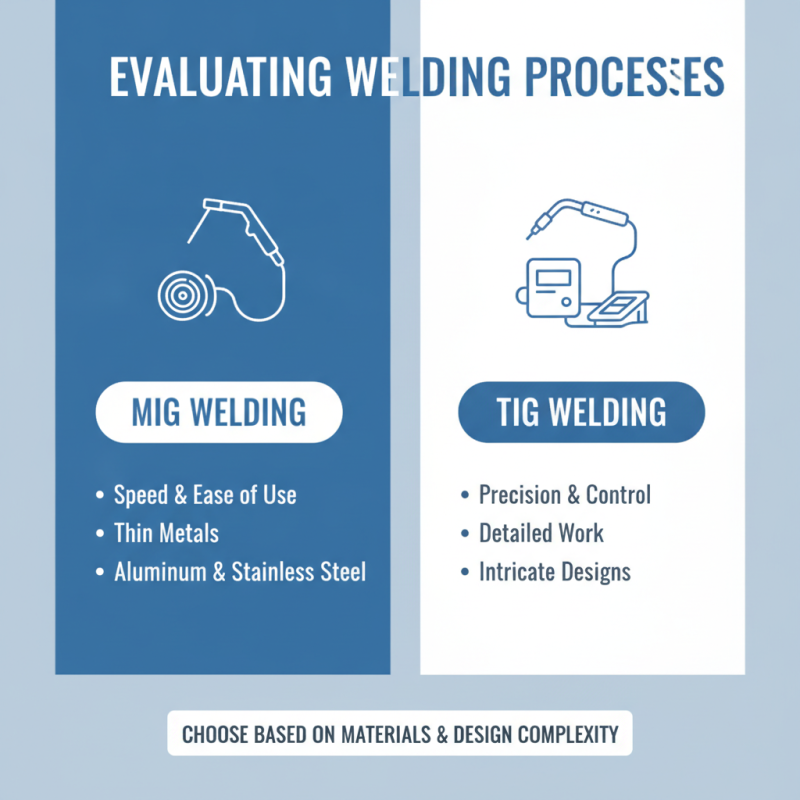
When evaluating different types of welding processes, it’s important to consider the materials you will use. MIG welding is popular for its speed and ease of use. It works well on thin metals like aluminum or stainless steel. TIG welding offers precision. It allows for detailed work, making it suitable for intricate designs.
Stick welding, on the other hand, is versatile. It can be used in various environments, including outdoors. However, it may not be ideal for very thin materials. Users often find stick welding requires more skill to master. Each process has its strengths and weaknesses.
Understanding these differences helps in choosing the right method for your project. Reflecting on your specific needs will guide you. Aim for the process that matches your skill level and project requirements. Selecting the right welding process is crucial for achieving quality results.
Comparing Machine Tool Features and Specifications
When choosing welding and machine tools, comparing features and specifications is essential. Different tools offer various capabilities, which directly influence project outcomes. For instance, a survey from the Machinery Industry Association reported that precision in machining affects up to 40% of production efficiency. Understanding what specifications matter can guide better choices.
Consider the type of material you'll work with. Some tools excel with metals, while others handle plastics or composites better. For instance, MIG welding offers speed but may not provide the finesse required for delicate materials. Similarly, CNC machine tools often come with a range of spindle speeds, affecting cutting efficiency. The variability between machine tools can be significant.
Tips for choosing: Always review the power demand of the tools. Tools that require excessive energy may inflate operational costs. Check the maintenance requirements too. Some tools need routine servicing, while others are more robust. Always read user reviews and industry reports to ensure reliability. Understanding these specifications allows for informed decisions and minimizes risk in project execution.
Choosing the Right Accessories and Safety Equipment
When selecting accessories for welding and machining projects, prioritize safety equipment. Proper gear protects against burns, fumes, and injuries. A good quality welding helmet is essential. Look for features like auto-darkening lenses. This helps in maintaining visibility and safety.
Gloves are another crucial accessory. They should be heat-resistant and offer good grip. Consider your specific tasks, as different gloves serve various purposes. Foot protection is equally important. Safety boots can prevent severe injuries from heavy tools and equipment.
Don't overlook ventilation systems. Adequate airflow reduces fume inhalation risks. A portable fume extractor can help in smaller spaces. Always assess your workspace. Sometimes, the best safety measures are improvements around your working area. Misjudgments can lead to accidents. Evaluate your choices carefully, and ensure you invest in reliable safety accessories.
2026 How to Choose Welding and Machine Tools for Your Projects? - Choosing the Right Accessories and Safety Equipment
| Tool Type |
Purpose |
Recommended Safety Equipment |
Maintenance Tips |
| MIG Welder |
Suitable for welding thin metals quickly |
Welding gloves, helmet, protective clothing |
Clean the nozzle regularly, check gas levels |
| TIG Welder |
Ideal for precise welds and thin materials |
Welding gloves, helmet with filter, respirator |
Inspect tungsten electrodes, avoid contamination |
| Plasma Cutter |
For cutting metal with high precision |
Safety goggles, gloves, aprons |
Keep the air supply clean, check for leaks |
| Band Saw |
Used for cutting various materials efficiently |
Safety glasses, ear protection, gloves |
Regularly check and replace blades, clean sawdust |
| Angle Grinder |
For grinding, polishing, and cutting metal |
Hearing protection, dust mask, gloves |
Inspect discs regularly, ensure safety guards are in place |