How to Choose the Best Mig Welding Machine for Your Needs?
Choosing the right Mig welding machine can feel overwhelming. With so many options, it's crucial to understand your needs. According to expert John Smith, a seasoned welder with over 20 years in the industry, "The best Mig welding machine is one that fits your specific projects." This insight reminds us that everyone's requirements differ.
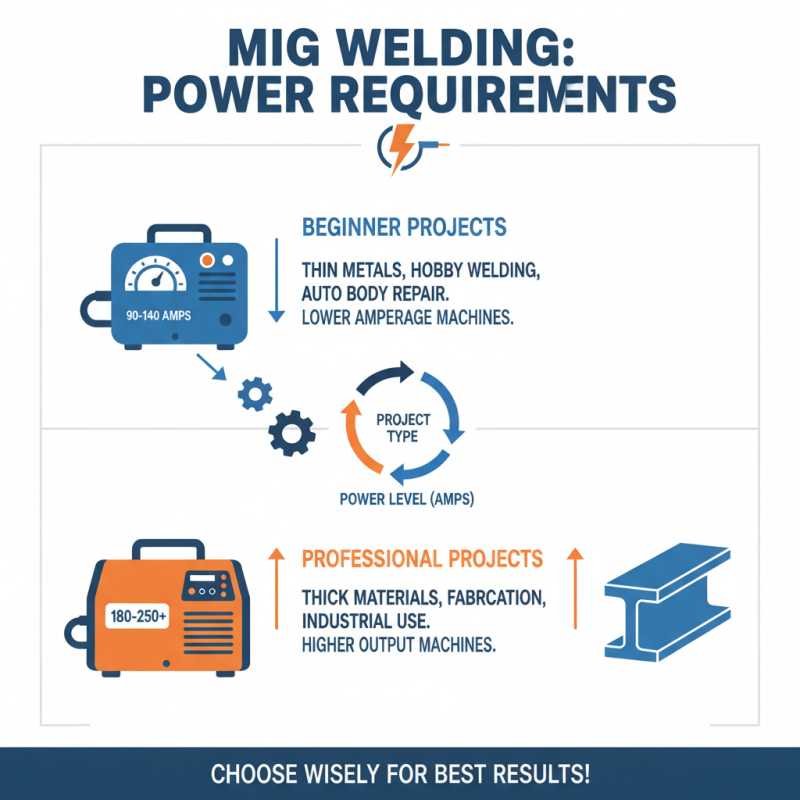
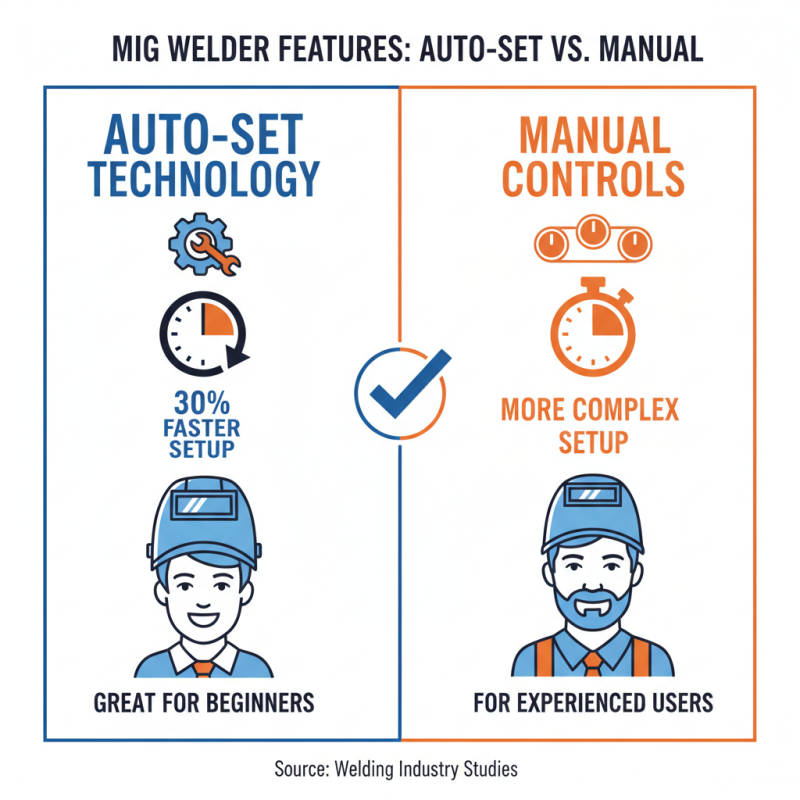
When selecting a Mig welding machine, consider various factors. Think about the materials you will be welding and the thickness involved. Different machines cater to specific tasks, and using the wrong one can lead to ineffective results. It's essential to reflect on your skill level too; some machines are more user-friendly for beginners.
A reliable Mig welding machine can enhance the quality of your work. However, not all machines are created equal. Researching brands, reading reviews, and asking experienced welders can guide you. Balancing needs with budget constraints is vital. In the end, understanding the nuances of Mig welding machines can greatly impact your results.
Understanding MIG Welding: Key Features and Specifications
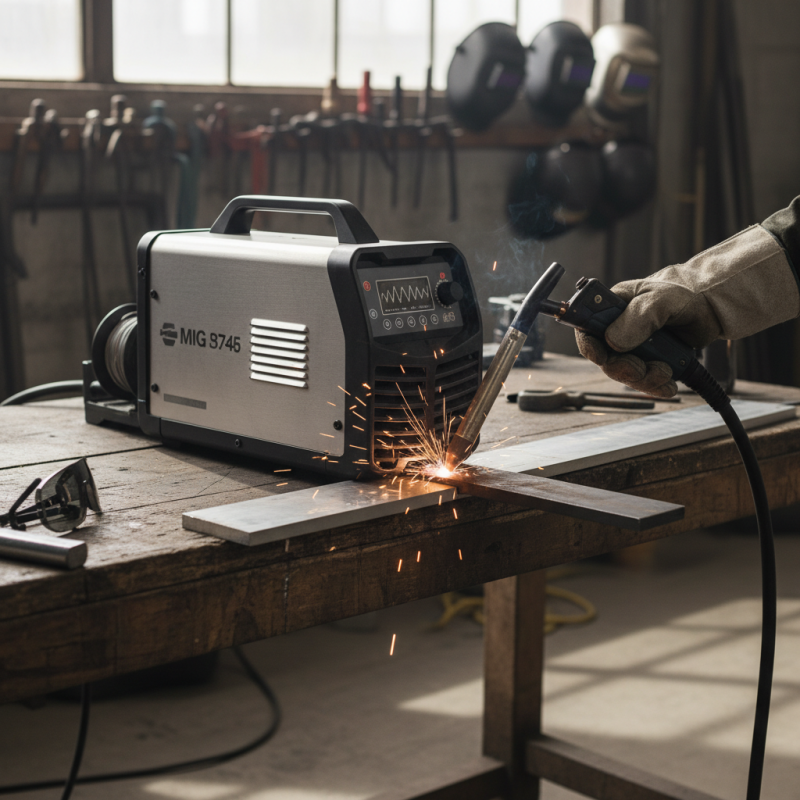
MIG welding, or Metal Inert Gas welding, is a popular choice for various projects. When exploring MIG welding machines, understanding key features is essential. You'll want to consider factors like duty cycle, power input, and welding thickness. The duty cycle indicates how long you can weld within a set period. Higher duty cycles allow longer working times without overheating.
Another crucial specification is the power input. Most machines operate on 120V or 240V. A higher voltage usually provides stronger output, enabling thicker materials to be welded. This choice affects portability and the locations where you can work. Additionally, assess the welding wire feed speed. Different projects require varying speeds for optimal weld quality.
It’s important to know that not all models fit every need. Many beginners may overlook their specific requirements. Proper research and hands-on testing can help avoid purchasing a machine that underperforms. Each project is unique, and not all machines will handle every task elegantly. Understanding these features and specifications will guide you toward making an informed decision.
Evaluating Duty Cycle: How It Affects Welding Performance
When selecting a MIG welding machine, understanding the duty cycle is crucial. The duty cycle represents the percentage of time a welder can operate in a given period without overheating. For instance, a 60% duty cycle means the machine can weld for six minutes within a ten-minute cycle. This critical metric directly influences the overall welding performance.
According to industry reports, machines with higher duty cycles are essential for prolonged tasks. Those working on larger projects or in production settings may require machines with at least 60% to 80% duty cycles. Machines with lower duty cycles may lead to interruptions, affecting productivity and quality. It's essential to assess your specific needs before making a purchase.
An ideal machine will balance duty cycle, amperage, and portability. A welder with a 30% duty cycle might suit hobbyists or small repairs. However, it may not be reliable for heavy-duty work. It's important to weigh these factors based on your experiences and the scope of work planned. This reflection ensures you choose a machine that meets your operational demands, reducing frustrations during projects.
Evaluating Duty Cycle in MIG Welding Machines
The chart above illustrates how the duty cycle of a MIG welding machine affects its welding performance in amperes. As the duty cycle increases, the overall amperage available for welding also increases, allowing for more consistent and powerful welds.
Comparing Top Brands: Expert Recommendations and Consumer Reviews
Choosing the right MIG welding machine can be daunting. Expert recommendations can guide consumers through the selection process. Reviews often highlight key features like power output and ease of use. Understanding these attributes helps in making the best choice.
Consumer reviews emphasize the importance of reliability. Many users mention the need for a machine that performs well over time. Some machines may promise high performance but fall short. Pay attention to long-term user experiences to avoid common pitfalls.
Tips: Consider your specific welding needs before buying. If you are a beginner, focus on user-friendly options. Advanced users may prefer machines with more features. Don’t overlook the importance of customer support. Strong manufacturer support can resolve technical issues quickly.
How to Choose the Best Mig Welding Machine for Your Needs?
| Model |
Welding Power (Amps) |
Weight (lbs) |
Voltage (V) |
Customer Rating |
| Model A |
140 Amps |
40 lbs |
120V |
4.5/5 |
| Model B |
180 Amps |
50 lbs |
240V |
4.3/5 |
| Model C |
130 Amps |
35 lbs |
120V |
4.2/5 |
| Model D |
250 Amps |
70 lbs |
230V |
4.7/5 |