Top Welding Accessories Every Buyer Should Know About?
Welding is a vital trade, and choosing the right Welding Accessories is crucial for both safety and efficiency. Whether you are a novice or a seasoned professional, understanding these accessories can improve your welding experience. From helmets to gloves, the right tools enhance the quality of your work and protect you from potential hazards.
Investing in high-quality Welding Accessories not only ensures safety but also boosts productivity. For instance, a proper welding helmet can significantly reduce eye strain. Quality gloves offer better grip and dexterity, allowing for precise movements. However, buyers often overlook the importance of these tools, focusing solely on the welding machine. This oversight can lead to frustration and poor results.
Selecting the right Welding Accessories requires knowledge and thought. It's not just about price; it’s about finding reliable products that suit your specific needs. You may encounter countless options, making the decision daunting. Reflecting on your requirements and experiences can guide you toward making the best choices.
Understanding Essential Welding Accessories for Every Buyer
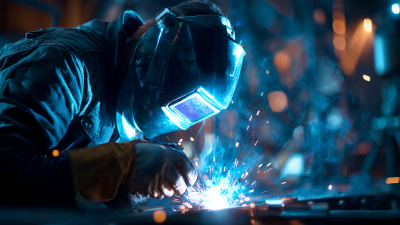
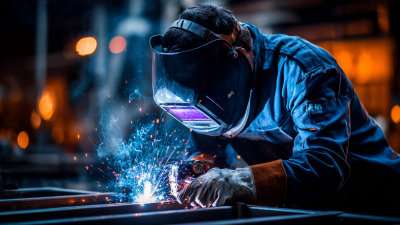
Welding is an intricate craft that requires precision, skill, and the right accessories. Every buyer should understand the essential welding accessories that can greatly enhance their work. Protective gear is paramount; a good welding helmet is vital for shielding your eyes from harmful rays and sparks. Gloves designed specifically for welding protect your hands from burns and improve your grip on tools. Boots with steel toes provide safety against falling objects. These basics may seem obvious, yet neglecting them can lead to serious injuries.
Another crucial aspect is the selection of welding rods and wires. Different materials require specific types for optimal results. Using the wrong rod can lead to weak joints and premature project failures. Consider the type of welding you’re doing; MIG, TIG, or stick welding all demand different accessories. Quality tools can carry a significant price tag, but investing wisely can save future expenses related to repairs and re-work.
Fans and exhaust systems are often overlooked but essential for air quality. Poor ventilation can lead to health issues over time. While these accessories might seem secondary, they play a vital role in ensuring a safe and efficient workspace. Remember, it’s not just about owning the tools; understanding their purpose and maintaining them is key. Every buyer should take the time to reflect on these aspects before diving into their next project.
Key Protective Gear: Importance of Helmets, Gloves, and Clothing
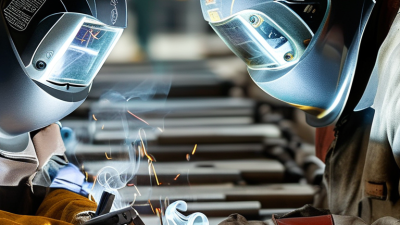
Welding can be hazardous without the right protective gear. Helmets, gloves, and clothing play critical roles in ensuring safety. According to the American National Standards Institute (ANSI), about 40% of welding injuries are eye-related. A high-quality helmet can prevent serious vision problems. Many helmets now incorporate auto-darkening technology, which enhances convenience and safety.
Gloves are equally important. A National Institute for Occupational Safety and Health (NIOSH) report states that over 25% of hand injuries occur in welding. Choosing gloves made from flame-resistant materials can significantly reduce risks. Proper fit matters too; gloves that are too loose or tight can lead to accidents.
Protective clothing adds another layer of safety. It shields the skin from sparks and heat. NIOSH advises using materials like cotton or treated synthetics. However, some welders might overlook the importance of wearing a protective jacket, believing lighter fabrics are sufficient. This mindset can lead to severe burns. Reliability in gear choices ultimately impacts overall safety and performance in welding tasks.
Top Welding Accessories Every Buyer Should Know About
Essential Welding Tools: Torches, Regulators, and Filler Metals
When it comes to welding, having the right accessories can make a significant difference. A
welding torch is an essential tool. It allows for
precise control of the welding process. Different types of torches exist, including MIG,
TIG, and stick welding torches. Each type serves a purpose depending on the
materials being welded. Choosing the right torch can enhance the quality of welds.
Regulators play a critical role as well. They control the gas flow to the torch. An effective regulator
ensures consistent gas pressure, which is vital for achieving stable welds. Not all regulators are the same;
some are better suited for specific gases. Beginners may overlook this detail, but it can drastically
affect performance.
Filler metals are another crucial component. They add strength and stability to the weld.
The choice of filler metal depends on various factors, including the base metals being joined. Each metal
type requires specific filler materials to ensure a strong bond. New welders might find it challenging to
select the appropriate filler, leading to potential weaknesses in the welds. Understanding these tools and
their applications is vital for anyone serious about welding.
Enhancing Efficiency: The Role of Welding Machines and Accessories
Welding machines play a crucial role in the world of metalworking. They can be the backbone of any welder's toolkit. The efficiency of a welding operation depends heavily on the right accessories. For example, high-quality cables and connectors ensure that electricity flows smoothly. Poor connections can lead to wasted time and additional costs.
Moreover, protective gear is essential for safety. A solid helmet with proper shading protects the eyes while providing visibility. Welding gloves must be heat-resistant and flexible to allow for precise movements. The right accessories, like cleaning brushes and grinding tools, also enhance the quality of welds. They improve the appearance and durability of the finished product.
Even with the right tools, challenges can arise. For instance, maintaining equipment can be time-consuming. Many welders face difficulties when troubleshooting their machines. It’s essential to regularly check and maintain both machines and accessories for optimal performance. A failure to do so can hinder productivity. Engaging with experienced welders and learning from their insights can be beneficial in navigating these issues.
Maintenance and Safety Equipment: Keeping a Safe Welding Environment
When working in welding, maintaining safety is crucial. A safe environment can prevent accidents and injuries. Proper safety equipment, such as welding helmets and gloves, significantly reduces exposure to hazards. It's essential to choose gear that meets safety standards.
Tips: Always check your equipment for damage before each use. A small tear in your gloves can lead to serious burns.
Ventilation is another critical aspect. Fumes and gases generated during welding can be harmful. Ensure the workspace is well-ventilated to avoid respiratory issues. A fan or exhaust system can help.
Tips: Consider using ducting to direct fumes outside. This can improve air quality and worker comfort.
Lastly, don’t forget about maintenance. Regular checks of your workspace can keep it safe. Look for clutter and remove items that pose tripping hazards. Re-evaluate safety protocols often.
Tips: Create a checklist for safety inspections. It’s a simple way to keep your environment safe.