Top 10 Mig Welding Machines for Global Buyers in 2026?
As the demand for efficient and versatile welding solutions grows, the Mig Welding Machine industry continues to evolve. Experts predict that the best machines in 2026 will incorporate innovative technology. David Thompson, a renowned welding technology consultant, states, “The future of Mig Welding Machines lies in their adaptability and precision.”
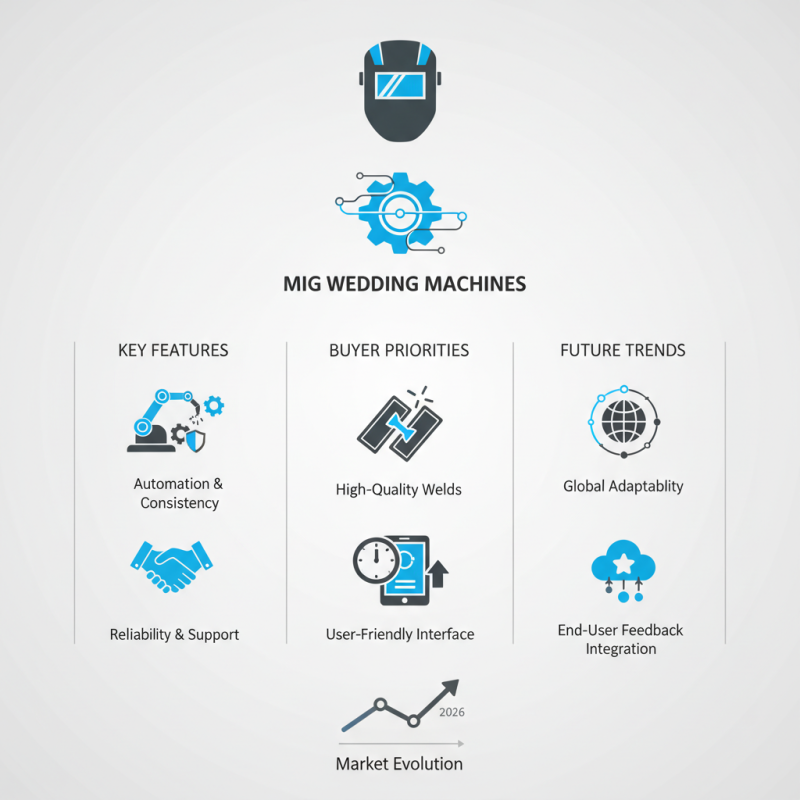
Currently, advancements in automation and ease of use shape the market. Manufacturers strive to create products that meet diverse customer needs. High-quality welds, reduced downtime, and user-friendly interfaces are key factors for buyers. Many current models struggle with consistency and efficiency, highlighting the need for ongoing improvements in design and technology.
Buyers should assess each machine's specifications and features carefully. Look for brands that prioritize reliability and customer support. A Mig Welding Machine must not only perform well but also come with robust resources for training and troubleshooting. In this journey towards the best options, feedback from end-users plays a vital role in refining machine capabilities and enhancing overall experiences.
Introduction to MIG Welding Technology and Its Importance in 2026
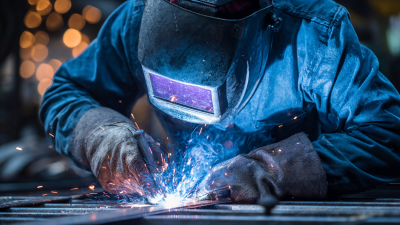
MIG welding technology has revolutionized the manufacturing sector by offering speed and versatility. In 2026, its significance continues to grow. With an increasing need for efficient production processes, MIG welding stands out for its ability to join various metals seamlessly. This method uses a continuously fed wire electrode, which melts and fuses materials together. As a result, welders can achieve clean and robust joints while minimizing defects.
The demand for MIG welding is expanding beyond traditional sectors. New applications emerge in automotive, construction, and even aerospace. However, the skills gap remains a concern. Many workers are not fully trained in MIG processes. This leads to inconsistent results and potential safety hazards. Addressing these issues is crucial for industries relying on this technology.
Innovation in MIG welding machines is also essential. Newer models are becoming lighter and more portable. They often include advanced features, enhancing usability and performance. Yet, not all machines meet the same standard. Buyers must carefully consider their options, weighing cost against capabilities. A balance is needed to ensure reliability without compromising quality. Understanding these factors is integral for any buyer in 2026.
Key Features to Look for in MIG Welding Machines for Global Buyers
When considering MIG welding machines, several key features significantly impact performance and usability.
A reliable power source is crucial. The right voltage can determine
the quality of the weld. According to industry reports, machines supporting a wider voltage range offer more versatility.
This flexibility is essential for different welding environments, ensuring high-quality results.
Welders should also evaluate wire feed speed and capacity. Machines with adjustable feed rates
provide more control. Studies show that a stable feed rate enhances weld integrity. Features like dual-gun capability
are becoming more common. They boost productivity, allowing simultaneous welding of two different joints.
Buyers must check the machine's duty cycle as well.
Higher duty cycles are beneficial for prolonged industrial use.
Portability is another important consideration. Lightweight machines can be advantageous for on-site projects.
The market increasingly favors models that offer easy transport without sacrificing power.
Despite advancements, some models still tend to overheat
or have inconsistent performance. Global buyers need to scrutinize user reviews and independent tests.
These inconsistencies reflect areas for improvement in machine design and engineering.
Investing time in research can minimize these risks.
Comparative Analysis of Performance and Price in MIG Welding Machines
When considering MIG welding machines, a comparative analysis of performance and cost is crucial for global buyers in 2026. Recent industry reports indicate that the average cost of high-performance machines ranges from $1,200 to $3,000. These price points reflect differing features, such as duty cycle and power output. Many users may overlook essential specifications that directly impact efficiency and weld quality.
Performance varies significantly among machines. For instance, models with greater amperage can produce more robust welds. However, they often come with a higher price tag. Interestingly, data shows that budget machines, costing under $1,000, may perform adequately for hobbyists, but they typically lack the robustness needed for industrial applications. It's essential for buyers to gauge their actual needs against the machinery’s capabilities to avoid overspending.
Another consideration is reliability. Machines from top-rated manufacturers often come with extended warranties, ranging from three to five years. This assurance can offset initial costs in the long run. Yet, buyers should scrutinize user reviews and expert opinions. Opinions can fluctuate widely, leading to potential misinformation. Therefore, gathering diverse perspectives is vital for an informed decision. Understanding these factors can save time and resources in the purchasing process.
Top 10 Mig Welding Machines for Global Buyers in 2026
| Machine Model |
Amperage Range (A) |
Voltage (V) |
Weight (lbs) |
Price ($) |
Warranty (Years) |
| Model A |
30-200 |
120/240 |
50 |
500 |
3 |
| Model B |
50-250 |
120/240 |
55 |
750 |
2 |
| Model C |
40-180 |
120 |
45 |
400 |
5 |
| Model D |
20-190 |
240 |
60 |
600 |
3 |
| Model E |
50-200 |
120/240 |
70 |
800 |
4 |
| Model F |
30-220 |
240 |
65 |
700 |
2 |
| Model G |
40-240 |
120/240 |
80 |
900 |
5 |
| Model H |
20-150 |
240 |
50 |
350 |
3 |
| Model I |
50-300 |
120/240 |
85 |
950 |
4 |
| Model J |
30-160 |
120 |
40 |
520 |
3 |
Future Trends in MIG Welding Technology for Global Buyers in 2026
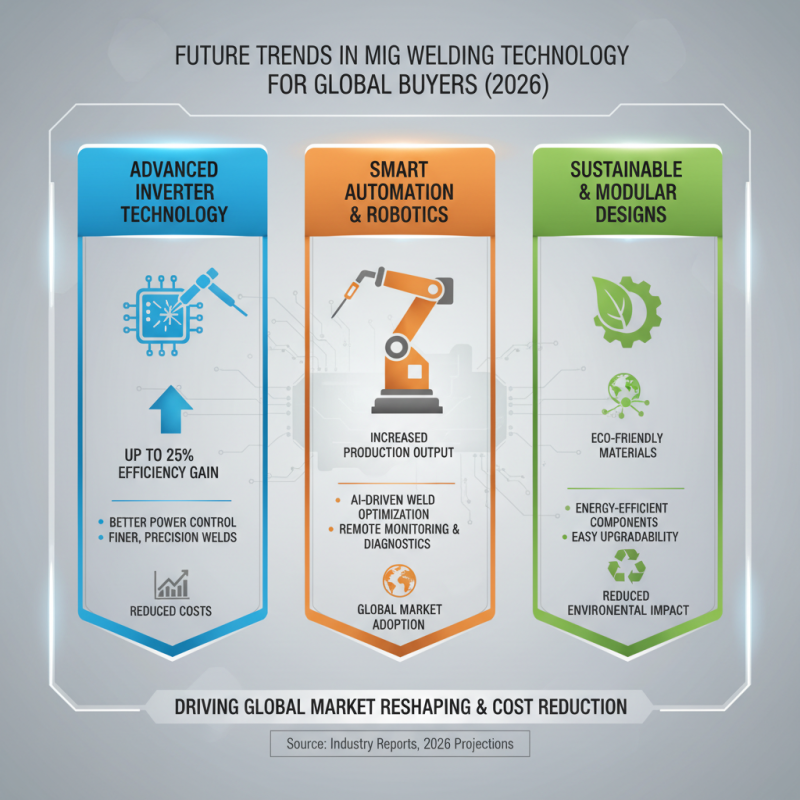
MIG welding technology is evolving rapidly. In 2026, we anticipate several trends that will reshape the global market. Advancements in inverter technology have significantly improved efficiency. These machines now offer better power control, allowing for finer welds. According to industry reports, efficiency gains can reach up to 25%. This change is crucial for maximizing production and reducing costs.
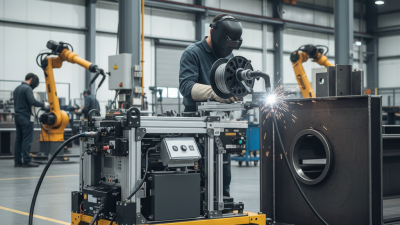
Automation continues to be a key trend. Robotic MIG welding systems are becoming more affordable. They enhance precision and consistency, reducing human error. Data indicates automation adoption can increase output by 15-30%. However, many small manufacturers might struggle with this transition. Training and integration remain significant hurdles.
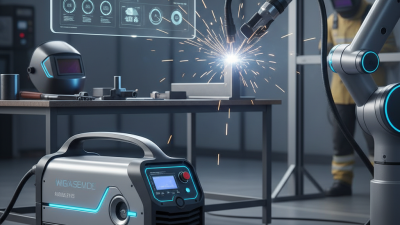
The integration of smart technologies is another area of growth. Connectivity allows for real-time monitoring and diagnostics. This not only improves maintenance but also enhances safety. However, reliance on technology introduces vulnerabilities. Cybersecurity concerns must not be ignored. The balance between innovation and reliability will be pivotal in the coming years.