Top Welding Cut Machines for Global Buyers in 2026?
As the global manufacturing sector advances, the demand for efficient and reliable Welding Cut Machines is surging. According to a recent market analysis, the industrial welding market is projected to reach $35 billion by 2026. This growth is driven by innovations in automation and demand for precision in metal processing. The shift towards Industry 4.0 emphasizes the importance of advanced welding technologies.
Welding Cut Machines play a pivotal role in this transformation. With their capabilities in high-speed cutting and superior accuracy, these machines are essential for various industries. A report from Grand View Research indicates that the market for cutting machines is expected to grow by over 5% annually. Companies now seek machines that not only meet high-performance standards but also ensure safety and reliability.
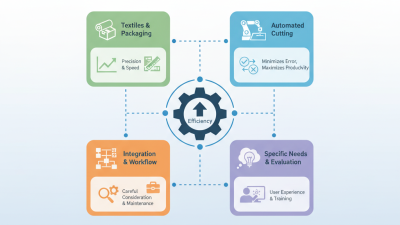
However, not all Welding Cut Machines are created equal. Factors like energy efficiency, maintenance needs, and technological integration need careful consideration. As global buyers begin to navigate these complexities, understanding market trends and machine capabilities becomes crucial. The investment in the right equipment can yield substantial savings and improved production efficiency. It's essential for buyers to reflect on their specific needs and the evolving landscape of welding technology.
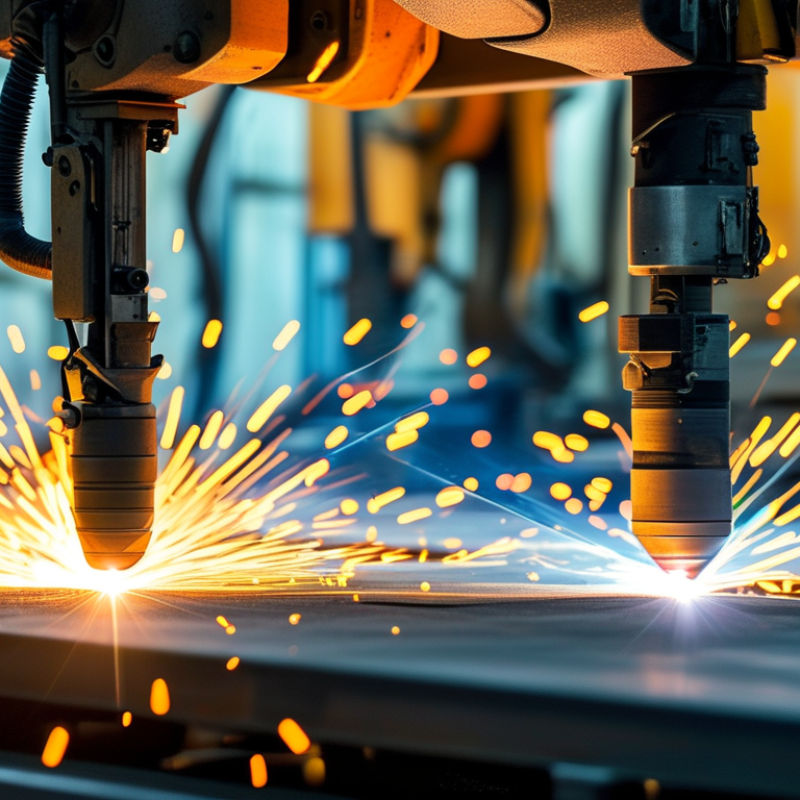
Top Welding Cut Machines Overview: Key Features and Technologies
In 2026, the landscape of welding cut machines will evolve significantly. Advances in technology are reshaping the features that define top machines. Enhanced precision is a primary focus. Many models now include features like automatic height sensors. These sensors ensure consistent cuts, improving overall accuracy.
Speed is another critical aspect. Modern machines can operate at higher speeds, reducing production time. However, this increase in speed can sometimes compromise quality. Users must balance efficiency with the integrity of their work. Designers are also incorporating user-friendly interfaces. This allows operators, regardless of skill level, to manage complex tasks with ease.
Moreover, eco-friendly technologies are on the rise. Some machines are now designed to minimize waste material. This trend reflects a growing awareness of environmental impact. However, not all manufacturers prioritize sustainability equally. Buyers should investigate each model's environmental footprint. Ultimately, understanding these key features can guide global buyers toward making informed decisions.
Top Welding Cut Machines Overview: Key Features and Technologies
| Model |
Cutting Type |
Power Source |
Maximum Material Thickness (mm) |
Speed (mm/min) |
Weight (kg) |
| Model A |
Plasma Cutting |
Electric |
25 |
3000 |
45 |
| Model B |
Oxy-Fuel Cutting |
Gas |
50 |
1500 |
70 |
| Model C |
Laser Cutting |
Electric |
20 |
4000 |
60 |
| Model D |
Water Jet Cutting |
Water |
150 |
1000 |
80 |
Market Analysis: Size and Growth Projections for Welding Machines in 2026
The welding machine market is expected to see significant growth by 2026. Industry reports indicate a projected compound annual growth rate (CAGR) of around 5.7% from 2021 to 2026. This growth reflects the rising demand for automation in manufacturing and construction sectors. As industries evolve, the need for precision and efficiency in welding becomes crucial.
In terms of market size, the global welding equipment industry was valued at approximately $18 billion in 2021. Forecasts suggest it could reach nearly $25 billion by 2026. Factors such as technological advancements and increased adoption of welding robots play a vital role in this expansion. Moreover, regions like Asia-Pacific are emerging as dominant players due to rapid industrialization.
However, this growth comes with challenges. The skill gap among workers remains a concern. Many companies struggle to find qualified personnel capable of operating advanced welding machines. Additionally, environmental regulations impact manufacturing processes. This can delay production and affect overall market dynamics. Addressing these issues will be essential for sustained growth in the welding sector.
Leading Brands in the Welding Cut Machine Industry: A Comparative Review
The welding cut machine industry is rapidly evolving. Buyers are increasingly focused on
performance and reliability. There are several leading brands in this space, each offering unique features.
Analyzing these brands can help buyers make informed decisions.
One key factor to consider is efficiency. Different machines have varying cutting speeds.
Some models excel in precision but may lag in speed. Users often face dilemmas when balancing
speed and accuracy.
Cost is another crucial aspect. An affordable machine may not always meet the required specifications.
This creates a need for careful evaluation and comparisons.
Aside from performance, after-sales support matters significantly. Manufacturers with strong
customer support build trust. Buyers
often struggle with troubleshooting and maintenance. Thus, access to reliable assistance after purchase
can influence choices. These elements showcase the complexity in selecting the right welding cut machine.
Detailed research can aid in understanding which
features align with specific needs.
Emerging Trends in Welding Technology: Automation and Efficiency Focus
The welding industry is witnessing significant changes driven by automation and efficiency. As global demands rise, companies are investing in advanced technologies. A recent report from MarketsandMarkets predicts the welding automation market will reach $8.2 billion by 2026, showcasing a compound annual growth rate (CAGR) of 6.7%. This growth highlights the need for businesses to adapt and integrate automated solutions.
Automation enhances precision and reduces manual errors. Robotic welding systems improve speed and consistency. Yet, there are challenges. Companies may face skills gaps among workers unable to operate or maintain these advanced systems. Additionally, the initial investment for automation can be substantial.
Tips: Training employees is crucial. Implement regular workshops to increase familiarity with new technologies. Foster a culture of continuous learning. Investing in employee development can yield long-term benefits. Consider gradual automation. Start with small projects to test effectiveness and gain valuable insights. As needs evolve, so does technology, making ongoing evaluation essential.
Global Supply Chain Dynamics: Impact on Welding Machine Availability in 2026
In 2026, the global supply chain for welding machines will face significant challenges. The ongoing volatility in international trade affects manufacturing and distribution. Factors like economic shifts and political tensions can disrupt production schedules and shipping routes. Understanding these dynamics is crucial for buyers seeking reliable welding cut machines.
When considering welding machines, staying informed is vital. Monitor global shipping news. It helps identify potential delays early. Engage with suppliers about their production timelines. This can provide insights into inventory levels. Building a good relationship with manufacturers can enhance trust and reliability.
Tips for buyers include diversifying your supplier base. Relying on a single source can lead to shortages. Consider local alternatives if global supply faces disruptions. Regularly review your supply chain strategies to adapt to changing conditions. Flexibility can reduce risks and ensure you have access to essential equipment when needed.
Top Welding Cut Machines for Global Buyers in 2026