Why Choose Weld Roller Carriage for Your Manufacturing Needs?
In the dynamic world of manufacturing, efficiency and precision are paramount. The Weld Roller Carriage is emerging as a vital tool in this sector. According to a recent report by the Manufacturing Institute, nearly 70% of manufacturers are adopting advanced technologies to enhance productivity. The Weld Roller Carriage facilitates this transition by improving welding accuracy and speed.
Utilizing a Weld Roller Carriage can significantly reduce labor costs and improve safety on the shop floor. Industry statistics show that equipment reliability can enhance operational uptime by up to 40%. However, not all businesses have fully integrated this technology yet. Some may hesitate due to initial costs or training requirements. Nonetheless, the long-term benefits often outweigh these concerns.
As companies strive to stay competitive, investing in a Weld Roller Carriage can be a game changer. A well-chosen roller carriage not only supports better weld quality but also helps in streamlining the entire manufacturing process. Therefore, understanding its advantages and applications is crucial for any modern manufacturer looking to thrive in today's market.
Benefits of Using Weld Roller Carriages in Manufacturing Processes
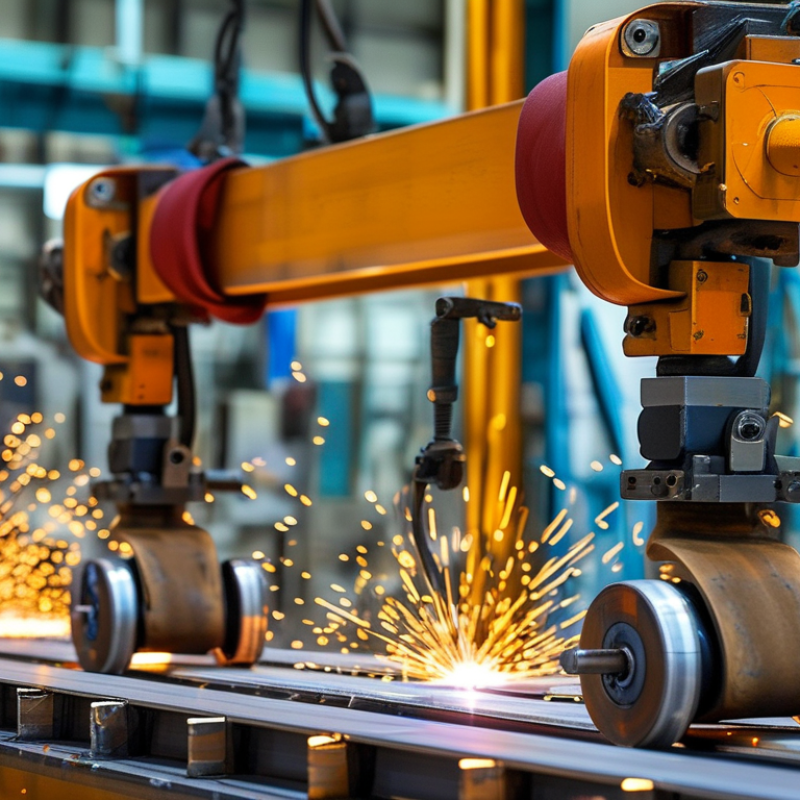
Weld roller carriages play an essential role in manufacturing. They enhance efficiency during welding operations. By allowing smooth movement, they reduce downtime and improve workflow. Factories often experience high levels of productivity when they use these systems effectively.
One key benefit of a weld roller carriage is stability. These carriages offer superior support for heavy materials. This stability minimizes the risk of errors during welding, which can be costly. Inconsistent results may lead to rework, impacting overall production costs.
Tips: Always check the weight capacity of the carriage before use. Ensure proper maintenance for optimal performance. Regular inspections can prevent unexpected issues.
Another advantage is the ease of handling complex projects. Weld roller carriages allow for precise adjustments. This adaptability can help manage intricate designs. However, it's crucial to train staff effectively to maximize these benefits. Overlooking proper training can lead to mistakes and unsafe working conditions.
Tips: Schedule periodic training sessions for your team. Encourage open communication about challenges they face with the equipment. Addressing issues promptly can enhance safety and efficiency.
Why Choose Weld Roller Carriage for Your Manufacturing Needs? - Benefits of Using Weld Roller Carriages in Manufacturing Processes
| Feature |
Description |
Benefit |
| High Load Capacity |
Designed to support heavy loads during welding and assembly. |
Improved efficiency in handling large components. |
| Precision Movement |
Smooth rolling action ensures accurate positioning. |
Enhances welding accuracy and reduces errors. |
| Durability |
Built with high-quality materials for longevity. |
Lower maintenance costs and longer service life. |
| Ergonomic Design |
Designed for easy operation and user-friendly setup. |
Increases operator comfort and productivity. |
| Versatility |
Can be used in various manufacturing environments. |
Adaptable to different projects and applications. |
Key Features of Weld Roller Carriages for Optimal Performance
When selecting a weld roller carriage, understanding its key features is vital for achieving optimal performance in manufacturing. These carriages enhance the efficiency of welding operations. Their design allows for smooth movement across various surfaces. This smoothness reduces friction, contributing to the overall longevity of the equipment. Effective designs are often a blend of simplicity and functionality.
Another essential feature is load capacity. Weld roller carriages are engineered to handle substantial weights. Whether working with heavy metal pieces or large frame assemblies, they remain robust and reliable. However, loading beyond their capacity can lead to mechanical failures. This serves as a reminder to evaluate specific needs before selection. Safety should never be compromised for efficiency.
Durability is a critical aspect worth noting. Many carriages are made from heavy-duty materials to withstand harsh industrial conditions. Yet, over time, wear and tear can occur. Regular maintenance becomes essential to uphold performance standards. Ignoring maintenance can lead to unexpected downtimes, affecting production schedules. Understanding these elements instills confidence in choosing the right weld roller carriage for your manufacturing needs.
Comparative Analysis: Weld Roller Carriages vs. Traditional Solutions
When evaluating manufacturing solutions, weld roller carriages offer notable advantages over traditional methods. Their design allows for enhanced mobility and precision, which can significantly impact production efficiency. According to a recent industry report, manufacturers that switched to roller carriages reported a 25% decrease in assembly time. This reduction directly correlates to improved output levels.
In contrast, traditional solutions often involve fixed components that limit flexibility. This rigidity can lead to longer setup times and potential safety hazards. A study conducted by a reputable engineering firm indicated that companies using conventional setups experienced a 15% increase in downtime due to maintenance issues. Roller carriages, on the other hand, require less frequent adjustments and offer easier access for technicians.
While roller carriages present clear benefits, challenges remain. For example, installation may require specialized training. Additionally, not all operational environments suit this technology. Evaluating a facility's specific needs is crucial. An ideal solution must balance efficiency and adaptability, ensuring longevity and performance in production contexts.
Guidelines for Selecting the Right Weld Roller Carriage for Your Needs
When selecting a weld roller carriage, several factors are crucial. Understanding your manufacturing processes is fundamental. Industry reports indicate that inefficiencies in welding practices can lead to a 20% increase in production costs. This highlights the importance of the right equipment.
Consider weight capacity. A weld roller carriage must support your material's weight while maintaining stability. Data shows that selection errors can result in accidents, leading to downtime and increased project costs. Precision in selecting roller size is another important factor. A mismatch can cause inconsistent welding results, which impacts overall quality.
Operator feedback is valuable too. Surveyed welders often emphasize the significance of ease of use. If a carriage is difficult to maneuver, productivity drops. Flexibility in design also plays a role. Customization options allow you to adapt to different projects, enhancing efficiency. But not all companies prioritize this. Assess your long-term needs carefully before making a decision.
Weld Roller Carriage Selection Guidelines: Key Features
Maintenance Tips for Enhancing the Longevity of Weld Roller Carriages
Weld roller carriages are essential in various manufacturing processes. Proper maintenance ensures their longevity and efficiency. Regular inspections are key. Check for wear and tear, addressing minor issues before they escalate. This proactive approach reduces downtime and repair costs.
Lubrication is crucial for smooth operation. Apply appropriate lubricants to all moving parts. Over-lubrication can attract dirt, causing blockages. Less is often more in this case. Cleaning the carriages is equally important. Dust and debris can hinder performance. A simple wipe-down can make a significant difference.
Training employees on proper use is vital. Many mishaps occur due to misuse or neglect. Consider regular training sessions to reinforce best practices. Reflecting on previous mistakes fosters a culture of continuous improvement. Small adjustments in maintenance habits can yield remarkable outcomes.