What is Welding Intelligence and How Can It Benefit You?
Welding Intelligence is transforming the welding industry. This concept combines data analytics and automation to enhance efficiency. Experts like Dr. Jennifer Lee, a leading authority in welding technology, emphasize its importance: "Welding Intelligence is not just a trend; it's the future of our industry."
The integration of Welding Intelligence can streamline operations, reduce waste, and improve overall quality. It uses real-time data to monitor processes and predict potential failures. This proactive approach allows companies to respond swiftly, often saving time and resources. However, the transition to this technology is not without challenges. Many welders may find it difficult to adapt to new systems and tools.
Moreover, businesses must navigate the balance between tradition and innovation. Not every company has the same level of readiness to embrace Welding Intelligence. Companies could learn from initial setbacks. Reflecting on these experiences will guide them toward more successful implementation. Understanding the nuances of Welding Intelligence can make all the difference in a competitive landscape.
What is Welding Intelligence?
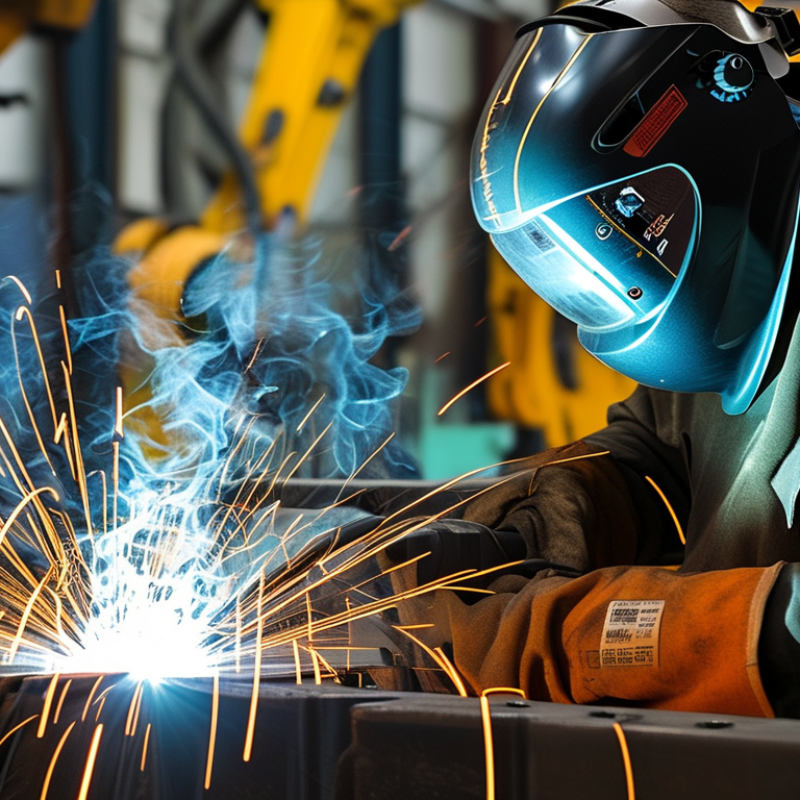
Welding intelligence refers to the collection and analysis of data during the welding process. This data helps monitor and optimize welding operations. By understanding welding parameters, professionals can enhance efficiency and minimize defects. Advanced technologies like sensors and AI play a key role in gathering insights.
Tips: Invest in training to understand data analytics for welding. Familiarize yourself with the various parameters that impact weld quality. Explore ways to incorporate data-driven decisions into your daily practices.
Welding intelligence also emphasizes predictive maintenance. By analyzing patterns, businesses can foresee issues before they arise. This proactive approach can save time and reduce costs. However, not every company embraces this shift. Some may feel overwhelmed by the data. It requires a mindset change and a willingness to adapt.
Tips: Start small by focusing on critical welding processes. Encourage a culture of continuous improvement among your team. Regularly review your data and seek feedback for better practices. Collecting data is only part of the journey; using it effectively makes the difference.
Key Technologies Behind Welding Intelligence
Welding intelligence combines advanced technologies to enhance the welding process. One key technology is real-time monitoring. This system uses sensors to track variables like temperature and pressure. It allows welders to make adjustments on the fly. The immediate feedback improves the quality of welds and reduces defects significantly.
Another important aspect is data analytics. Welding processes generate vast amounts of data. By analyzing this data, companies can identify trends and potential issues. This can improve operational efficiency and reduce costs. Companies can also predict maintenance needs, preventing unexpected downtimes. However, interpreting this data requires skilled personnel, emphasizing the need for proper training in these technologies.
Artificial intelligence (AI) is also becoming crucial. AI can help automate decision-making in welding operations. It learns from previous welds to suggest optimal settings. Despite these advancements, relying solely on technology can be problematic. Human oversight is still essential to handle unforeseen challenges. Balancing technology with skilled labor is a necessity for successful welding operations.
Benefits of Implementing Welding Intelligence in Manufacturing
Welding intelligence can transform manufacturing processes. It uses data analytics to optimize welding operations. This technology helps track performance in real-time. Welders can identify issues instantly, reducing downtime. With precise monitoring, weld quality improves significantly.
Implementing welding intelligence offers various benefits. First, it enhances productivity by minimizing errors. Smart systems can suggest adjustments based on live data. They lead to fewer defects and more consistent results. In addition, manufacturers can save costs over time. Improved accuracy reduces wasted materials.
However, challenges exist. Some workers may resist adopting new technologies. Training is essential to overcome this barrier. Manufacturers need to balance innovation with their workforce's skill level. If done right, the transition can be smooth and rewarding.
Case Studies: Welding Intelligence in Action
Welding intelligence has emerged as a game changer in manufacturing. By analyzing data from welding processes, companies can significantly enhance efficiency and quality. A case study conducted by the American Welding Society revealed that a leading construction firm reduced its welding defects by 25% within a year. This was achieved through real-time monitoring and data analytics.
Another example highlights an automotive manufacturer that implemented welding intelligence to optimize its production lines. The company achieved a 15% increase in productivity. They analyzed welding parameters like temperature and voltage, leading to more consistent welds. Such improvements can drive down costs and improve product reliability.
However, the integration of welding intelligence is not without challenges. Misinterpretation of data can lead to decisions that might not yield the intended results. Training staff to understand data analytics is crucial but often overlooked. Thus, while welding intelligence can bring substantial benefits, companies must approach its implementation thoughtfully.
What is Welding Intelligence and How Can It Benefit You? - Case Studies: Welding Intelligence in Action
| Case Study |
Industry |
Application |
Benefits |
Results |
| Automotive Manufacturing |
Automotive |
Weld Quality Monitoring |
Reduced Defects |
20% decrease in rework costs |
| Marine Construction |
Marine |
Real-time Monitoring |
Increased Safety |
15% fewer workplace incidents |
| Heavy Machinery |
Construction |
Predictive Maintenance |
Lower Downtime |
30% increase in machine uptime |
| Aerospace Component Fabrication |
Aerospace |
Process Optimization |
Cost Savings |
10% reduction in manufacturing costs |
| Pipeline Construction |
Oil & Gas |
Weld Inspection Automation |
Improved Quality Assurance |
25% decrease in inspection time |
Future Trends in Welding Intelligence and Industry Impact
The landscape of welding intelligence is rapidly evolving, driven by technological advancements and increasing demands for efficiency. A recent report by the American Welding Society highlights that smart welding technologies can increase productivity by up to 25%. This surge is largely attributed to the integration of sensors and data analytics that offer real-time monitoring. Such capabilities help technicians troubleshoot problems immediately, rather than waiting for periodic maintenance checks.
Future trends indicate that the industry will increasingly rely on artificial intelligence and machine learning. According to a forecast by MarketsandMarkets, the welding robots market is expected to grow from $3.4 billion in 2020 to $6.9 billion by 2025. This growth suggests a significant shift toward automation and precision. However, the challenge remains in training the workforce. Many skilled welders may struggle with new technologies and require substantial retraining. This highlights a potential skills gap that could hinder the adoption of welding intelligence.
As industries embrace these changes, they must remain vigilant about data security. Reports indicate that manufacturing is among the top targets for cyberattacks. This raises concerns about how welding data, once pooled for intelligence purposes, is safeguarded. Therefore, while welding intelligence presents exciting opportunities, it also demands a cautious approach to ensure both efficiency and security.