Shandong Popweld Automatic Equipment Co., Ltd.

Leave Your Message

2026 Best Swing Welding Lathe Buying Guide?

Choosing a Swing Welding Lathe in 2026 requires more than comparing advertised load capacity. The right machine must match your workpiece diameter, welding process, production rhythm, and available floor space. A lathe that handles a large pipe may still perform poorly with thin, heat-sensitive components. That difference matters.

Dr. John C. Lippold, a respected welding metallurgy specialist, is often associated with this practical principle: “A sound weld begins with sound preparation.” It remains highly relevant when evaluating rotating welding equipment. Stable rotation, controlled speed, accurate chuck alignment, and dependable grounding directly influence bead consistency. Watch the carriage movement. Listen for uneven motor noise. Inspect the contact surfaces before trusting impressive specifications.

This guide examines the details buyers can easily overlook. It compares swing diameter, rated load, variable-speed control, chuck design, torch positioning, and operator protection. It also considers whether the machine supports TIG, MIG, submerged arc, or specialized orbital applications. Those choices affect setup time and final weld quality.

Real workshops reveal uncomfortable truths. A cheaper lathe may require frequent adjustment. A powerful model may waste energy on small jobs. Even a reputable brand can disappoint when service support is distant. Do not judge only by brochures.

Measure your largest realistic workpiece, not an imaginary one. Leave room for fixtures, cables, and safe operator movement. Review maintenance access, spare-part availability, and warranty terms carefully. Then compare total ownership cost, not only the purchase price. The best Swing Welding Lathe is not always the largest or most automated. It is the one that stays accurate, serviceable, and productive under your actual working conditions.
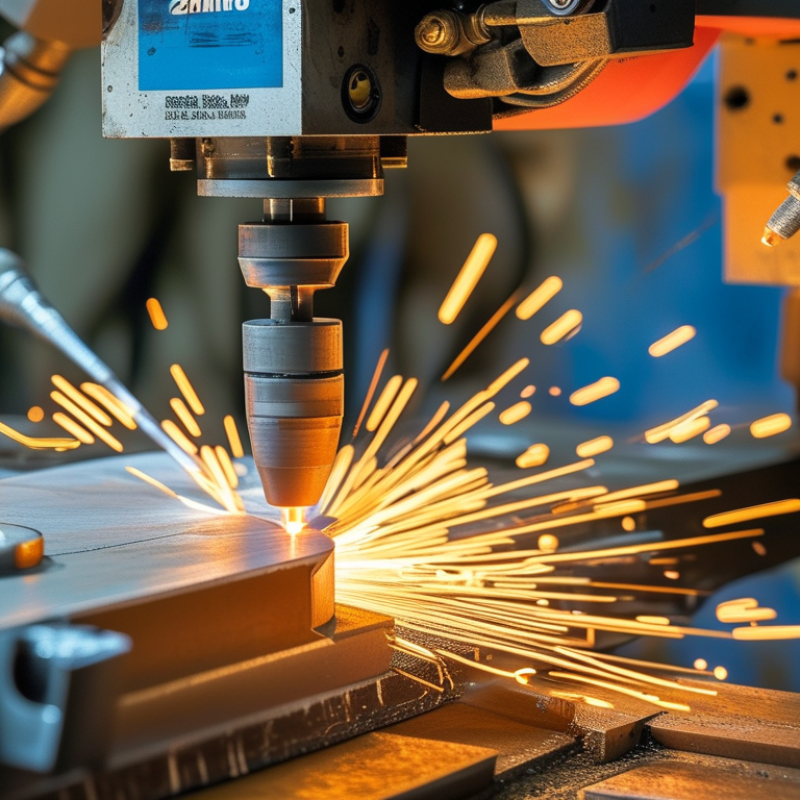
2026 Best Swing Welding Lathe Buying Guide?

What Is a Swing Welding Lathe and How Does It Work?

What Is a Swing Welding Lathe and How Does It Work?

A swing welding lathe is a positioning machine for repairing or joining round metal parts. “Swing” means the largest workpiece diameter that can rotate safely above the bed. The machine holds a shaft, pipe, flange, or drum with a chuck, faceplate, or adjustable supports. A motor then turns the workpiece at a controlled speed while a welding torch moves along its surface.

The rotating part creates a steady welding path. This helps maintain more consistent bead width, heat input, and overlap. Operators can adjust rotation speed, torch travel, welding current, and torch angle for different materials and diameters. A rigid frame matters. Even small movement can cause uneven penetration or visible undercut. Proper grounding and guarding are equally important, especially when sparks and hot metal are present.

When buying one in 2026, measure your typical workpiece diameter, length, weight, and balance. Do not choose capacity by diameter alone. A long, heavy shaft may need additional supports and stronger bearings. Check speed range, load rating, alignment accuracy, control response, and duty cycle. In practical workshop use, complicated controls can slow production. Simple controls are often better, but only when adjustment remains precise. I have found that published capacity figures may assume ideal loading. Real jobs are less forgiving. Test the machine with your heaviest common part, not your smallest sample.


Which Specifications Matter When Comparing Swing Welding Lathes?

When comparing swing welding lathes in 2026, start with the actual workpiece, not the advertised maximum. Swing diameter should exceed the component’s widest point by a practical margin. This prevents torch interference and reduces setup stress. Check the maximum workpiece length, supported weight, and chuck capacity together. A lathe may accept a large diameter but struggle with an uneven load.

Rotation control matters during welding. Look for a stable low-speed range, smooth acceleration, and enough torque under resistance. Fine speed adjustment helps maintain consistent bead placement around irregular parts. Confirm whether the controller supports foot operation or remote adjustment. Those details reduce unnecessary hand movement. Small conveniences matter.

The drive system should match the welding process and fixture weight. Inspect spindle runout, bearing construction, frame rigidity, and grounding design. A strong frame with poor alignment still produces disappointing results. Verify welding current capacity, electrical protection, and compatibility with the intended power supply. Ask for load ratings under continuous operation, not only peak performance. Service access also matters, especially around gears, brushes, and control components.

In practical comparisons, operators often focus too much on swing size. I have seen oversized machines perform poorly when their speed control felt abrupt. That is worth questioning. Request a demonstration with a similar workpiece, then listen for vibration and watch the torch position. Published figures help, but hands-on evidence usually reveals the specification that was overlooked.

How to Match Lathe Size, Capacity, and Welding Requirements

A swing welding lathe should match the workpiece, not merely fit the workshop. Measure the largest outside diameter, including temporary fixtures and weld buildup. Swing over bed must exceed this measurement with safe clearance. Also check the distance between centers. A long shaft may fit the swing but still exceed the usable length. That mistake is common. I have seen operators measure only the finished part and forget the chuck, tailstock, or torch angle.

Tips: Leave at least 10–15% extra diameter clearance. Check the maximum load at the chuck, not just the machine’s headline capacity. Heavy rings need steady support and controlled rotation. Confirm the speed range suits your welding process. Slow, stable movement usually produces a more consistent bead than aggressive rotation. Keep cable routing clear of moving parts.

Match the lathe’s power and control system to the welding requirement. Thin-wall components need gentle starts and fine speed adjustment. Large vessels require strong torque at low speed, especially during repositioning. Review chuck jaw reach, clamping pressure, and tailstock travel before buying. A machine can have impressive capacity but poor access around the weld zone. I would also test the control response in person, if possible. Specifications rarely show vibration under real load. Leave room for future work, but avoid paying for capacity you will never use.

2026 Best Swing Welding Lathe Buying Guide? - How to Match Lathe Size, Capacity, and Welding Requirements

Lathe Class Recommended Swing Over Bed Typical Workpiece Diameter Workpiece Length Typical Load Capacity Recommended Welding Application Suggested Spindle Speed Recommended Drive Power Best Fit
Compact 250–400 mm 80–250 mm Up to 1,000 mm 100–500 kg Small shafts, rollers, pipe ends, light repair work 0.1–10 rpm 0.75–2.2 kW Maintenance shops and low-volume fabrication
Standard 500–800 mm 200–600 mm 1,000–2,500 mm 500–2,000 kg Roller rebuilding, flange welding, circumferential seams 0.05–8 rpm 2.2–5.5 kW General fabrication and regular production
Heavy-Duty 900–1,500 mm 500–1,200 mm 2,000–5,000 mm 2,000–10,000 kg Large rollers, pressure-vessel components, wear-resistant overlays 0.02–5 rpm 5.5–15 kW Heavy repair centers and medium-volume production
Extra-Heavy 1,600–3,000 mm 1,000–2,500 mm 3,000–10,000 mm 10,000–100,000 kg Wind-tower sections, large drums, heavy shaft cladding 0.005–2 rpm 15–45 kW Large-scale industrial welding and engineered projects
Sizing rule: Select a lathe with at least 15–25% more rated diameter and load capacity than the largest routine workpiece. Allow additional clearance for fixtures, clamps, welding torches, thermal expansion, and operator access.
Welding requirement check: Confirm the required travel speed, minimum stable rotation speed, duty cycle, power supply, grounding arrangement, torch mounting space, and compatibility with the selected welding process before purchasing.

What Safety, Automation, and Control Features Should You Consider?

2026 Best Swing Welding Lathe Buying Guide?

When choosing a swing welding lathe, treat safety as a daily operating feature, not a specification sheet. Look for a rigid guard around rotating parts, a clearly marked emergency stop, and a reliable overload shutdown. The chuck should hold the workpiece firmly without awkward setup. Check grounding points and cable routing before purchase. Fume extraction also matters, especially when operators work close to the weld zone. Keep it visible.

Automation should reduce repetitive movement without hiding problems. Variable-speed rotation helps match travel speed to pipe diameter and weld position. A programmable controller can store repeatable sequences, while manual jog controls remain essential during setup. Test the foot pedal or pendant with gloves. Small delays become frustrating during alignment. A useful machine should stop smoothly when the operator releases control.

Control quality often separates a dependable lathe from an impressive demonstration model. Inspect the screen in bright workshop light. Can an operator change speed without leaving the work area? Does the system display rotation direction, fault codes, and load warnings clearly? Ask for a trial using your heaviest typical workpiece, not a small sample. Watch for vibration, chuck slip, and uneven rotation. I would also check service access and backup procedures. Digital settings can be lost, and manuals are sometimes incomplete. That weakness deserves attention before payment.

How to Evaluate Quality, Maintenance, Pricing, and Supplier Support

2026 Best Swing Welding Lathe Buying Guide: How to Evaluate Quality, Maintenance, Pricing, and Supplier Support

A quality swing welding lathe should feel rigid before it looks impressive. During practical evaluations, check the bed for vibration, uneven finishing, and weak welds around mounting points. Run the spindle at several speeds and listen for changing bearing noise. Excessive noise often signals poor alignment or future maintenance costs. Test the chuck with a dial indicator. Small runout may become serious during long repair work. Controls should respond smoothly, while guards must remain secure and easy to inspect.

Maintenance details deserve equal attention. Ask how often the spindle, gearbox, and carriage require lubrication. Check whether filters, seals, belts, and electrical components are standard and locally available. A low purchase price can become expensive when one replacement part takes weeks to arrive. Compare the complete cost, including installation, training, transport, energy use, and scheduled service. Pricing alone is a weak measure of value.

Tips: Request a documented factory test report. Watch a sample welding cycle. Measure noise and vibration. Ask for written response times. Confirm spare-part availability before ordering. Speak with working users, not only sales staff. Be cautious with impressive demonstrations; they may hide setup time and operator skill. I have seen machines perform well for ten minutes, then reveal unstable feeding during extended operation. Leave room for doubt. Reliability is proven under repeated work, not showroom lighting.