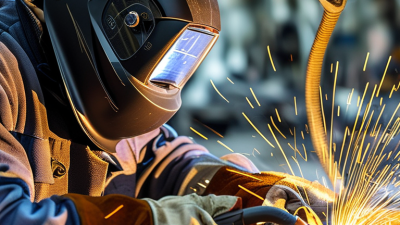
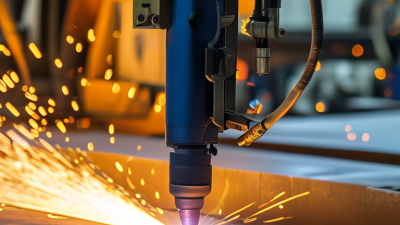
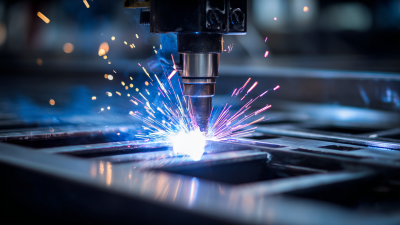
Choosing the 2026 best Welding Cut Machine is not about chasing the highest power rating. It is about matching real workshop demands with dependable performance. A global buyer may need one machine for mild steel, stainless steel, repair work, and daily fabrication. Those needs can expose weaknesses quickly. Thin sheet may warp. Long cables may reduce cutting stability. Poor after-sales support can stop production completely.
Sindo Kou, a respected welding metallurgy professor and author, defines the core process clearly: “Welding is a process of joining two materials by coalescence.” His principle remains useful when evaluating modern multifunction equipment. A reliable Welding Cut Machine should deliver controlled welding arcs, clean plasma cuts, stable duty cycles, and practical adjustment controls. It should also suit local voltage conditions and available consumables. Safety systems matter just as much. Thermal protection, overload alerts, proper grounding, and torch quality deserve close attention.
This guide compares machines through an international buyer’s lens. It considers power supply compatibility, cutting thickness, welding processes, portability, maintenance, warranty support, and verified user experience. Product brochures often look impressive. Real workshop results can differ. No ranking is perfect. We may still miss a local service nuance. Buyers should confirm certification requirements, spare-parts access, and distributor response before ordering. A machine that cuts 20-millimeter steel in a demonstration may perform differently under continuous production. That detail matters. The strongest choice is not always the most expensive model. It is the one that remains stable, repairable, and safe after months of demanding work.
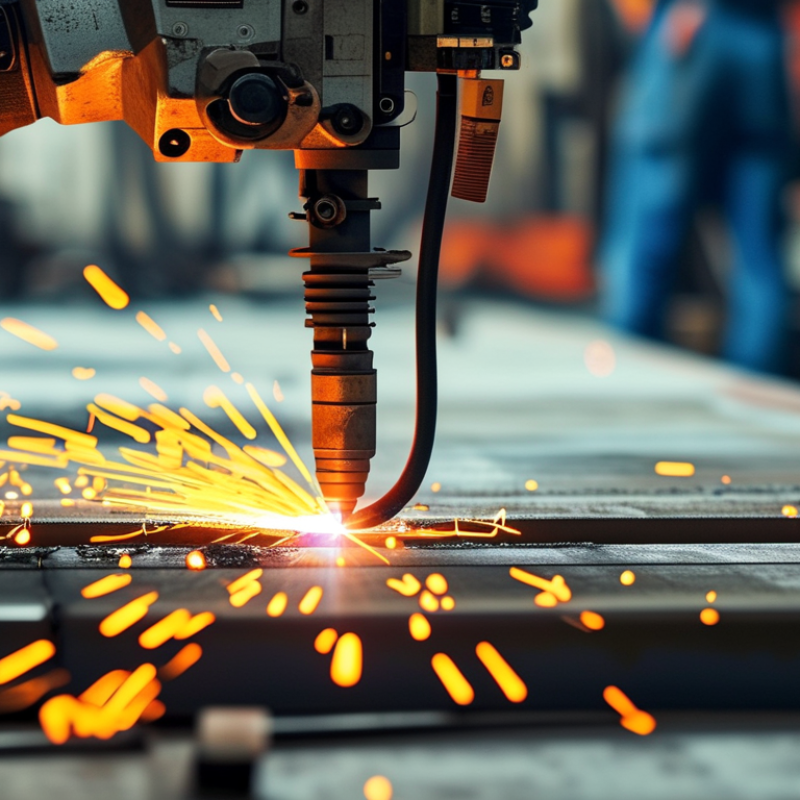
2026 Best Welding Cut Machine for Global Buyers?
Welding cut machines combine metal joining and cutting functions in one practical workshop system. Depending on the design, they may support processes such as arc welding, gas-shielded welding, plasma cutting, or controlled thermal cutting. Their main value is flexibility. One machine can prepare a steel edge, repair a frame, and join fabricated parts without changing the entire workstation.
In real workshop evaluations, output stability matters more than impressive maximum power. A reliable machine should provide adjustable current, steady arc control, suitable duty cycles, and clean cutting performance. Operators use these machines in construction, vehicle repair, agricultural equipment, steel fabrication, and maintenance rooms. Thickness, material type, voltage supply, and daily workload must guide the purchase. A machine designed for thin sheet may struggle with heavy plate. That detail is easy to miss.
Tips: Check the duty cycle at the working current, not only the highest rating. Confirm local voltage compatibility and available replacement consumables. Inspect torch cables, cooling paths, grounding clamps, and emergency controls before regular use. Leave ventilation space around the unit. Safety training remains essential.
A lower price can look attractive, but unstable output may increase rework and wasted material. Some buyers also assume one machine suits every metal. It usually does not. Compare test cuts, weld appearance, maintenance access, and operator feedback before making a final decision. Always review current safety requirements in the destination market.
A welding cut machine combines heat, electricity, gas, and motion in one working system. Welding may use MIG, TIG, or stick processes, depending on material and joint design. Cutting commonly relies on plasma, oxy-fuel, or a motorized blade. Each process leaves a different edge and demands different preparation.
The power source controls arc stability and output current. A torch transfers heat to the workpiece, while an electrode or wire creates the weld pool. Shielding gas protects molten metal from air. A grounding clamp completes the circuit. Cutting models may also include a compressor, gas regulator, torch height sensor, and water table. Small details matter. A loose ground connection can cause spatter, porosity, or uneven cuts.
Operators adjust current, voltage, wire-feed speed, gas flow, and travel speed through physical knobs or digital controls. CNC systems add programmed paths, pierce delays, and automatic height correction. During shop testing, I check the first cut, not only the display readings. Steel thickness, surface rust, and unstable input power can change results quickly. One weakness remains: automatic settings are helpful, but they are not always accurate. Buyers should verify duty cycle, input voltage, consumable availability, safety interlocks, and service documentation. A machine that looks powerful may still struggle with long production cycles.
2026 Best Welding Cut Machine for Global Buyers?
Key Specifications for Comparing Welding Cut Machines in 2026
A capable welding cut machine should match the workshop’s materials, voltage, and daily workload. Check rated welding current, cutting current, and actual output at the required duty cycle. A high maximum amperage means little if performance drops after several minutes. Duty cycle matters.
For cutting, compare recommended thickness, maximum separation thickness, and edge quality on mild steel, stainless steel, and aluminum. Plasma systems also need clean, dry compressed air, stable pressure, and enough airflow. Air quality matters. Moisture can damage consumables and create rough cuts. For welding, examine supported processes, wire or electrode range, arc stability, and adjustment accuracy.
Input voltage must suit the buyer’s local electrical system. Also check frequency, power factor, generator compatibility, cable length, and total machine weight. Reliable controls should remain readable with gloves and dusty hands. Safety features may include thermal protection, overload alarms, proper grounding, and controlled gas flow. Verify applicable local conformity requirements before purchase.
In practical comparisons, consumable cost often changes the real budget. Nozzle life, electrode wear, replacement availability, and service support deserve equal attention. Numbers need context. A compact machine may be convenient, but limited cooling can reduce production speed. A larger unit may offer steadier output, yet become difficult to move. I would test sample cuts and welds before deciding. Specifications can look impressive, but actual results may vary with operator skill, material condition, and maintenance.
| Machine Type | Primary Processes | Typical Output Range | Typical Duty Cycle | Typical Cutting Capacity | Common Input Power | Recommended Materials | Portability | Main Advantages | Key Limitations |
|---|---|---|---|---|---|---|---|---|---|
| Multi-Process Inverter | MMA / Stick, TIG lift-arc, MIG/MAG, sometimes plasma cutting | Welding: 160–250 A Plasma: 30–50 A when included |
35–60% at rated output | Plasma module: approximately 8–16 mm recommended mild-steel cut | Single-phase 220–240 V or three-phase 380–415 V | Mild steel, stainless steel, aluminum, and general fabrication metals | Medium; commonly 10–25 kg depending on configuration | Broadest function range in one unit; useful for maintenance and field work | Individual functions may be less powerful than dedicated machines; accessories can be costly |
| MIG/MAG Welder with Plasma Cutter | MIG/MAG welding and compressed-air plasma cutting | Welding: 200–350 A Plasma: 40–70 A |
40–60% at rated welding output | Approximately 12–25 mm recommended cut; higher severance capacity may be possible | Single-phase 220–240 V or three-phase 380–415 V | Carbon steel, stainless steel, and aluminum; aluminum suitability depends on wire-feed design | Medium to low; generally 20–40 kg | Fast wire welding plus clean cutting for workshops and repair operations | Requires shielding gas for welding and clean, dry compressed air for plasma cutting |
| TIG / MMA Inverter with Plasma Cutter | DC TIG, MMA / Stick, and plasma cutting | Welding: 160–250 A Plasma: 30–60 A |
35–60% at rated output | Approximately 8–20 mm recommended cut | Single-phase 220–240 V | Stainless steel, carbon steel, copper alloys, and maintenance applications | High; commonly 8–20 kg | Compact design and precise TIG capability for repair, installation, and light fabrication | Usually not optimized for high-speed production welding; DC TIG does not weld aluminum effectively |
| Dedicated Plasma Cutter | Compressed-air plasma cutting only | 30–125 A | 35–100%, depending on output and model class | Recommended: approximately 6–35 mm Severance: often higher but slower and less clean |
Single-phase 220–240 V or three-phase 380–415 V | Electrically conductive metals, including mild steel, stainless steel, and aluminum | High to medium; approximately 7–35 kg | Fast cutting, narrow kerf, low heat input, and excellent versatility for conductive sheet and plate | Cannot weld; needs reliable compressed air and consumable electrode/nozzle replacement |
| CNC Plasma Cutting System | Computer-controlled plasma cutting and optional marking | 45–200 A plasma power source | 50–100% for production-duty systems | Recommended production thickness: approximately 6–40 mm, depending on power source | Three-phase 380–415 V or regional industrial voltage | Carbon steel, stainless steel, and aluminum plate or sheet | Low; fixed table or gantry installation | Repeatable dimensions, nesting efficiency, automated production, and reduced manual layout work | Higher installation cost; requires software, extraction, consumables, and operator training |
| Oxy-Fuel Cutting and Welding Set | Oxy-fuel cutting, brazing, heating, and gas welding | Cutting capacity is determined mainly by torch and gas setup | Continuous operation is possible with correctly sized cylinders and cooling intervals | Approximately 6–300 mm for carbon steel with suitable equipment | No electrical input required for the torch system | Primarily carbon steel; not suitable for efficient cutting of stainless steel or aluminum | Medium; cylinders reduce mobility and require secure transport | Excellent for thick carbon steel, remote sites, heating, and use where electrical supply is limited | Slower than plasma on thin sheet; larger heat-affected zone and stricter gas-safety requirements |
| Heavy-Duty MMA / Stick Inverter | MMA / Stick welding; some units support gouging | 250–500 A | 50–100% at rated output | Not a cutting machine; carbon arc gouging may be supported | Three-phase 380–415 V or higher-capacity industrial supply | Carbon steel, low-alloy steel, stainless steel, and outdoor structural work | Low to medium; generally 15–45 kg | Reliable arc performance, long cable runs, and strong outdoor capability | Requires electrode changes; slower and less convenient than wire welding for high-volume production |
| Industrial MIG/MAG Welding System | MIG/MAG wire welding with solid or flux-cored wire | 250–500 A | 60–100% at rated output | Not a cutting machine | Three-phase 380–415 V or regional industrial voltage | Carbon steel, stainless steel, and aluminum with suitable wire, liner, torch, and shielding gas | Low; usually a separate power source and wire feeder | High deposition rate and productivity for repetitive fabrication and structural work | Needs shielding gas, wire-feed maintenance, and protection from strong wind during outdoor use |
| Buyer note: Actual performance varies with material grade, plate thickness, consumable quality, gas pressure, ambient temperature, input voltage stability, and the manufacturer’s test standard. For international purchasing, verify rated duty cycle, input frequency, plug configuration, safety certification, spare-parts availability, compressed-air requirements, and local service support before selecting a machine. | |||||||||
2026 Best Welding Cut Machine for Global Buyers?
Choosing the best welding cut machine depends on the buyer’s material, workload, and working environment. A plasma cutter suits workshops processing mild steel, stainless steel, and aluminum. It produces clean cuts on medium sheet metal and starts quickly with compressed air. For thick carbon steel, an oxy-fuel cutting system can be more practical, especially outdoors or where electricity is unstable. It is slower, but its simple structure may reduce maintenance pressure.
A laser cutting machine fits buyers who need narrow kerfs, repeatable dimensions, and detailed parts. It performs well in organized factories with stable power, clean air, and trained operators. Small repair shops may prefer a multiprocess machine that combines welding and cutting functions. This option saves floor space, but one unit rarely performs every task perfectly. Check its duty cycle carefully. A small display can hide real limitations.
Global buyers should compare input voltage, plug configuration, gas requirements, consumable availability, and after-sales training. A voltage mismatch can stop a new machine before the first cut. Ask for test samples using your actual plate thickness and joint design. Do not trust maximum cutting claims alone; surface rust, heat distortion, and operator skill change the result. I would also leave room for doubt. The cheapest machine may look efficient during one demonstration, yet costly consumables and weak service support can damage long-term reliability. Safety guards, ventilation, grounding, and documented operating instructions deserve equal attention.
Typical mild-steel cutting capacity by machine type. The ranges are representative industry values and vary with power, material grade, gas settings, nozzle condition, and required cut quality.
Buyer guide: Portable plasma cutters suit maintenance and light-to-medium fabrication. Oxy-fuel is practical for very thick steel and outdoor work. Fiber laser is best for fast, precise sheet-metal production. Waterjet cutting handles thick or heat-sensitive materials, while CNC plasma is suitable for cost-effective structural and plate cutting.
2026 Best Welding Cut Machine for Global Buyers?
A reliable welding cut machine starts with operator safety, not maximum power. During site inspections, I check torch insulation, cable condition, emergency stops, and ventilation clearance. Sparks need a controlled path. The work area should have fire-resistant screens and dry flooring. Operators also need correctly rated helmets, gloves, hearing protection, and flame-resistant clothing. A machine with clear controls reduces mistakes, especially during long production shifts.
Maintenance records often reveal more than sales brochures. Inspect air filters, cooling fans, earth connections, hoses, and electrode holders on a fixed schedule. Remove metal dust before it enters the ventilation openings. Keep consumables dry and labeled. Small neglect becomes expensive downtime. I have seen excellent equipment underperform because users ignored airflow and grounding. That lesson still deserves attention.
Global purchasing requires careful compliance checks. Confirm the machine’s electrical rating, plug configuration, electromagnetic compatibility, and documented safety testing. Ask for manuals in the operating team’s language. Verify spare-part availability, service response, warranty terms, and training support before payment. Import duties and local installation rules can change the final cost. Avoid relying on one certificate without checking its scope and issuing authority. A lower price may hide weak support. I would also test sample cuts using the intended material and thickness. The result may expose vibration, heat distortion, or unstable arc behavior. No checklist is perfect. That is why experienced operators should approve the final purchase.