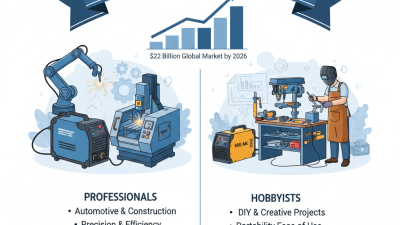
Choosing the 2026 Best Welding Cutting Machine for Global Buyers requires more than comparing prices or output power. A suitable Welding Cut Machine must match material thickness, production volume, workshop conditions, and operator skill. Steel, stainless steel, and aluminum can demand different cutting and welding performance. A machine that works smoothly in a controlled factory may struggle on a dusty construction site.
Real purchasing experience shows that practical details often decide long-term value. Buyers should examine duty cycle, cutting speed, torch quality, power requirements, cooling design, and replacement-part availability. A clear control panel also matters when operators work under time pressure. Noise, cable length, portability, and emergency-stop access deserve attention. Small details become expensive problems.
There is no universal best machine. That is easy to forget. This guide compares leading options through performance, reliability, safety, service support, and total ownership cost. It also considers voltage compatibility, documentation, training, and regional warranty coverage. Independent testing can reveal useful differences, but results may change with consumables, material quality, and operator technique. Some published specifications look impressive yet provide limited workshop evidence.
For global buyers, trustworthy decisions should combine manufacturer data with verified user feedback and professional inspection. Compliance with applicable safety standards remains essential, especially when importing equipment across different markets. A reliable supplier should explain maintenance intervals, spare-part access, and after-sales response times. The strongest choice is not always the fastest model. It is the machine that delivers consistent results, manageable operating costs, and dependable support throughout its working life.
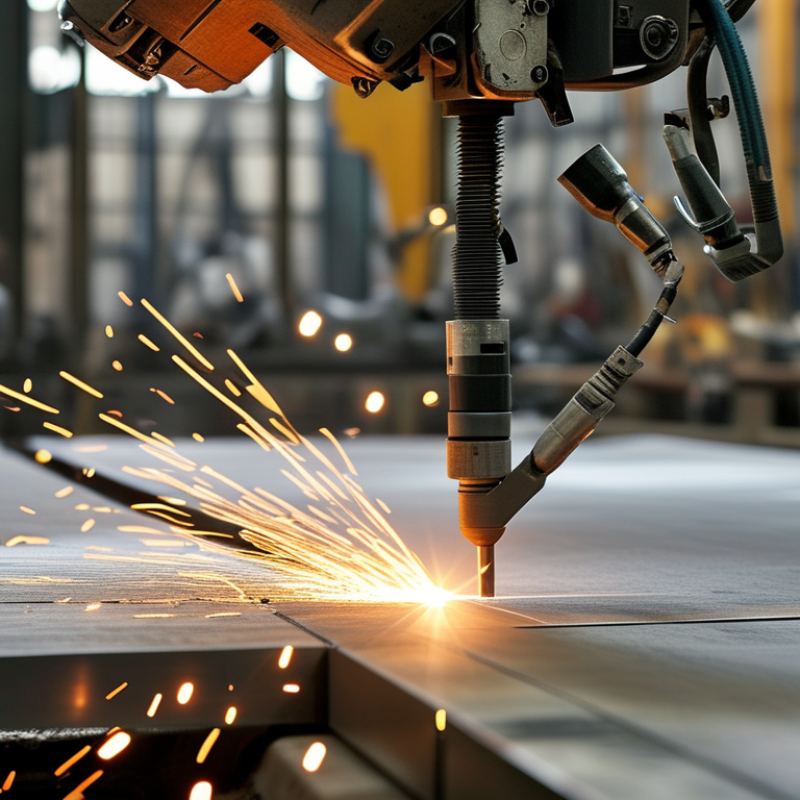
Choosing a welding cutting machine requires more than comparing power ratings. The workpiece decides the process. Thin steel often suits plasma cutting, while thick carbon steel may require oxy-fuel equipment. Laser systems deliver narrow cuts and limited heat distortion. Waterjet machines cut heat-sensitive materials without thermal damage. Each type has practical limits.
Welding functions also differ. MIG equipment supports fast production with continuous wire feeding. TIG machines offer precise control for stainless steel, aluminum, and visible joints. Stick welding remains useful outdoors and on heavier sections. Inverter power sources reduce weight and can improve energy control. However, performance depends on duty cycle, torch quality, gas stability, and operator training.
Control technology matters during daily work. Digital current adjustment, arc-start control, and fault monitoring improve repeatability. CNC tables can coordinate cutting speed, torch height, and programmed shapes. In real workshops, dust, vibration, and unstable electricity still affect results. A machine may perform well in testing but struggle beside an unclean cutting table. That detail is easy to miss. Buyers should inspect consumable availability, ventilation requirements, maintenance access, and documented safety features. Production records, sample cuts, and independent technical documents provide stronger evidence than attractive specifications. No selection is perfect. The right system balances material range, output, service skills, and total operating cost.

How to Compare Machine Performance, Materials, and Cutting Methods
Choosing a cutting machine in 2026 requires more than checking laser power or advertised speed. Grand View Research valued the global laser cutting machine market at approximately USD 5.7 billion in 2023. Its forecast also indicates strong growth through 2030. That growth reflects wider adoption, but it does not guarantee better results for every workshop. A buyer should compare cutting speed, repeatability, energy use, duty cycle, and maintenance access.
Test the machine with real materials. Use 6 mm carbon steel, 3 mm stainless steel, and aluminum panels. Inspect dross, kerf width, edge squareness, and the heat-affected zone. Fiber laser systems often suit thin and medium sheet metal, while plasma can offer practical productivity on thicker conductive steel. Oxy-fuel remains useful for heavy carbon steel, though it creates a larger heat-affected area. ISO 9013 provides a recognized framework for evaluating thermal-cut quality.
The World Steel Association reported global crude steel production of about 1.89 billion tonnes in 2023. This supports continued demand for reliable steel-processing equipment. Still, performance claims can be incomplete. Actual output depends on gas purity, nozzle condition, operator skill, material flatness, and software settings. I have seen a machine cut quickly during a demonstration, then produce rough edges after several hours. That difference matters. Ask for documented test samples, power-consumption records, tolerance data, and service response times. Calculate total operating cost, not only the purchase price.
2026 Best Welding Cutting Machine for Global Buyers?
Global industrial and workshop users should begin with the work, not the machine’s advertised power. Measure typical material thickness, cutting frequency, joint types, and available workspace. A machine rated for occasional repairs may struggle during eight-hour production shifts. Duty cycle matters. So does heat management.
Check input voltage, phase requirements, plug standards, and operating temperatures before ordering. Regional electrical conditions can vary considerably. Confirm whether the machine supports your workshop’s power supply without costly modifications. Review cutting capacity under real conditions, not only ideal laboratory settings. Mild steel, stainless steel, and aluminum may require different settings and consumables. Ask for clear technical data, user manuals, safety instructions, and conformity documents suitable for your destination market.
Tips: Compare total ownership cost. Include torches, electrodes, nozzles, filters, maintenance, shipping, and training. A lower purchase price can become expensive after repeated consumable changes. Select controls that operators can understand quickly, especially when several workers share one machine. Remote diagnostics may help, but dependable local service is still valuable. Test sample materials when possible. I have seen buyers focus on maximum thickness and overlook cutting speed, edge quality, and cleanup time. That mistake is easy to make. It is also costly. Keep spare parts dry, label settings clearly, and record actual performance after installation. Real workshop results should influence the final decision.
Representative maximum mild-steel cutting thickness by process. Capacity, edge quality, power requirements, consumables, automation, and local service availability should be evaluated together before purchase.
Indicative industry capability figures: actual thickness depends on machine power, material grade, cutting speed, gas or abrasive selection, and required edge quality.
The best machine is not always the one with the highest amperage. It must match the local electrical system, workplace risks, and inspection rules. IEC 60974-1 covers arc welding power sources, while IEC 60974-10 addresses electromagnetic compatibility. Buyers should request current test reports, serial-number traceability, and clear duty-cycle data. Marketing claims are not evidence.
Regional compliance needs careful checking. In the United States, OSHA 29 CFR 1910 requires controls for electric shock, fumes, fire, and eye hazards. European buyers should verify applicable CE requirements and harmonized standards. Other markets may require national approvals, different plugs, or authorized electrical testing. The ILO estimated 2.93 million work-related deaths and 395 million nonfatal injuries annually, using 2019 data published in 2023. Welding fumes also require attention; IARC classifies them as carcinogenic to humans. Local ventilation and respiratory controls remain essential.
Test the machine under real conditions. Check grounding, thermal shutdown, cable heating, enclosure protection, and stable output at low voltage. Cutting areas need guards and spark control. A certificate can expire. A checklist can miss poor training. I have seen technically compliant equipment fail because operators could not read its warnings. That weakness matters. Buyers should review manuals, labels, service access, and training records with local safety professionals before installation.
Choosing the best welding cutting machine in 2026 starts with the job, not the advertisement. A fabrication shop cutting 3 mm stainless steel needs different performance from a repair team handling 20 mm carbon steel. Record material type, thickness, daily operating hours, and required edge quality. Do not buy by wattage alone. A plasma system may offer fast cutting, while a laser system can deliver cleaner edges but usually requires higher investment and controlled maintenance.
Budget planning should include more than the purchase price. Add power requirements, compressed air quality, consumables, protective equipment, software, shipping, and technician training. In workshop evaluations, duty cycle often matters more than peak output. A machine rated for brief production bursts may overheat during continuous cutting. Check whether the local electrical supply matches the machine’s voltage and frequency. Confirm available safety documentation and service support before payment.
For mobile repairs, compact equipment and simple controls may justify a lower cutting capacity. For repeated factory work, automatic height control, stable torch alignment, and programmable settings can reduce rework. Ask for test cuts using your actual material. Photos can hide rough kerfs, excessive slag, or warped edges. I have seen buyers choose a cheaper unit and later spend heavily on consumables and downtime. That decision was understandable, but incomplete. Leave room in the budget for operator mistakes, because real workshops rarely run perfectly.
| Machine Type | Best Application | Common Materials | Practical Cutting Thickness | Typical Accuracy | Typical Power or Capacity | Typical Investment Range | Main Advantages | Main Limitations | Recommended Buyer Profile |
|---|---|---|---|---|---|---|---|---|---|
| Fiber Laser Cutter | High-volume sheet and plate cutting with clean edges | Carbon steel, stainless steel, aluminum, brass, copper | Approximately 0.5–25 mm, depending on material and rated power | Approximately ±0.03–±0.10 mm in suitable operating conditions | 1–20 kW; common industrial systems use 2–12 kW | About US$25,000–US$180,000+ | Fast processing, narrow kerf, low routine consumable use, excellent repeatability | Higher initial cost; reflective metals require suitable configuration; needs clean optics and controlled gas supply | Manufacturers, job shops, sheet-metal fabricators, and exporters with recurring production |
| CNC Plasma Cutter | General-purpose plate cutting and structural fabrication | Carbon steel, stainless steel, aluminum | Approximately 1–50 mm; high-definition systems may cut thicker plate at reduced speed | Approximately ±0.15–±0.50 mm | 45–200 A for many production systems | About US$8,000–US$70,000 | Lower entry cost than laser, fast on medium and thick plate, suitable for large worktables | Wider kerf and heat-affected zone than laser; consumable replacement is required | Steel-service centers, agricultural equipment makers, construction workshops, and general fabricators |
| CNC Oxy-Fuel Cutter | Very thick carbon-steel plate and heavy structural work | Carbon steel and low-alloy steel | Approximately 6–300 mm or more, depending on torch setup and process control | Approximately ±0.50–±1.50 mm | Fuel-gas and oxygen system; typically 1–6 cutting torches | About US$5,000–US$45,000 | Very low equipment cost, deep cutting capability, economical for thick mild steel | Slow on thin plate; cannot normally cut stainless steel or aluminum effectively; larger heat-affected zone | Heavy-equipment builders, shipyards, steel service centers, and structural-steel contractors |
| Waterjet Cutting Machine | Cold cutting of heat-sensitive, hard, layered, or mixed materials | Metal, stone, glass, ceramics, composites, rubber, and plastics | Approximately 5–150 mm; some systems process thicker materials more slowly | Approximately ±0.05–±0.20 mm | Approximately 3,000–6,000 bar water pressure | About US$60,000–US$250,000+ | No heat-affected zone, broad material compatibility, high-quality edges | Higher operating cost, slower cutting speed, abrasive management, and wastewater handling requirements | Aerospace, stone, architectural, composite, and precision fabrication businesses |
| CNC Router | Routing, engraving, drilling, and profiling non-metal sheet materials | Wood, MDF, acrylic, PVC, foam, plastic, aluminum sheet, and composites | Typically 0.5–50 mm per pass, depending on tooling and material | Approximately ±0.05–±0.20 mm | 1.5–12 kW spindle power for common industrial models | About US$3,000–US$40,000 | Versatile cutting and engraving, comparatively low purchase cost, broad tooling options | Not suitable for most steel cutting; tool wear and dust extraction must be managed | Sign makers, furniture producers, interior contractors, and plastics processors |
| Portable Welding and Plasma-Cutting System | On-site repair, maintenance, installation, and small-batch fabrication | Carbon steel, stainless steel, aluminum, and maintenance-grade alloys | Plasma cutting typically up to approximately 25 mm, depending on the power source | Approximately ±0.50–±1.50 mm for manual or semi-automatic cutting | Commonly 40–200 A welding output; 30–125 A plasma output | About US$1,500–US$15,000 | Portable, flexible, easy to deploy, and suitable for emergency work | Lower automation and repeatability; production speed depends heavily on operator skill | Maintenance teams, contractors, workshops, farms, and field-service providers |