Top Roof Cutter Machine for Efficient Roofing Solutions?
In the ever-evolving construction industry, efficiency is paramount. Roofing projects demand precision and speed. The Roof Cutter Machine has emerged as a vital tool, enhancing both. According to a recent industry report, businesses incorporating advanced roofing machinery see a 25% increase in project completion rates. This statistic underscores the importance of efficient tools.
However, not all roof cutter machines are created equal. Choosing the right one can lead to significant differences in output quality and labor costs. For instance, some machines can handle various materials, while others may struggle with complexity. Professionals need to evaluate their specific needs carefully. The wrong choice can lead to delays and increased expenses.
Investing in a high-quality Roof Cutter Machine can transform a roofing operation. Reports indicate that companies that prioritize quality machinery can boost overall safety and decrease waste by up to 15%. This not only benefits the bottom line but also promotes sustainable practices. Yet, it's essential to continuously assess and adapt machinery choices to maintain competitive advantage.
Overview of Roof Cutter Machines and Their Importance in Roofing
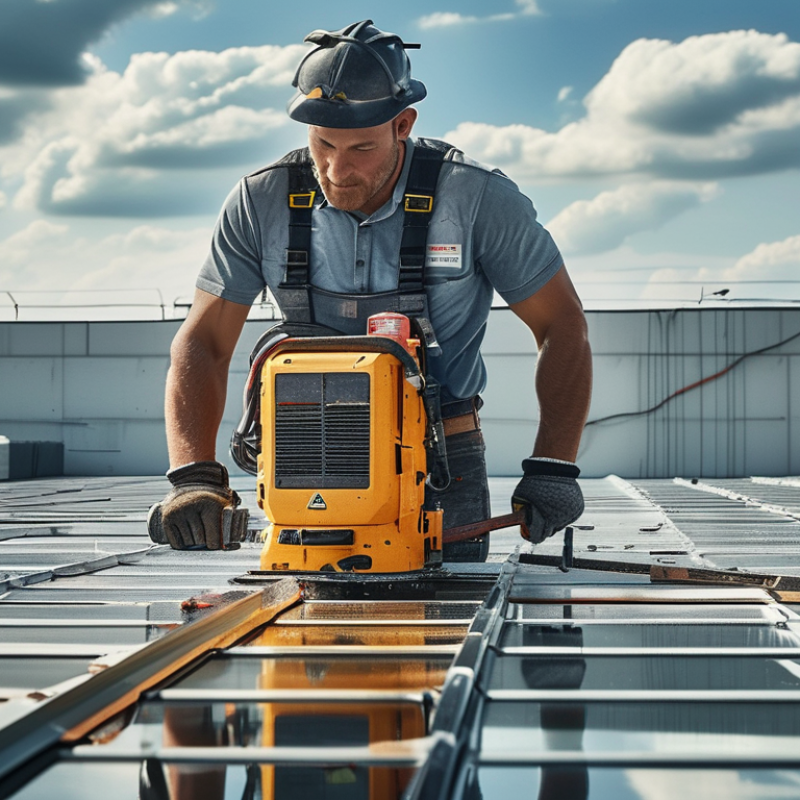
Roof cutter machines play a crucial role in the roofing industry. These machines enhance efficiency and accuracy during the cutting process. They are designed to handle various roofing materials, making them essential for contractors. A well-functioning roof cutter can save significant time on site, allowing for quicker project completion.
Understanding the importance of these machines goes beyond mere cutting. They reduce material waste, contributing to cost-effectiveness. Furthermore, precise cuts ensure that roofing materials fit seamlessly. This minimizes the risk of leaks, enhancing the durability of roofs. Yet, some users may face challenges in operating these machines correctly. Misunderstandings can lead to mistakes, highlighting the need for proper training.
Incorporating a roof cutter machine into a company's workflow can boost productivity. However, selecting the right machine is vital. Not all cutters are suitable for every project. Contractors must evaluate their specific needs. Exploring different models helps find the perfect fit. Balancing efficiency with quality ensures long-lasting results.
Types of Roof Cutter Machines Available for Various Roofing Needs
When considering the types of roof cutter machines available, it’s essential to know your options. There are several machines, each designed for specific tasks. For instance, manual cutters provide portability and precision. They are perfect for smaller projects but can be tiresome for larger jobs. Electric models offer more power and speed, making them suitable for commercial applications. However, they may require a stable power source.
Another type includes pneumatic cutters that utilize air pressure. These machines are efficient but have a steep learning curve. Users must be comfortable with their operation. Each machine has its strengths and weaknesses. Identifying the right one depends on your specific roofing needs. It’s crucial to evaluate factors like material type, project size, and budget.
Innovation in roof cutter design has significantly improved efficiency. Yet, some machines may not perform at their peak in challenging conditions. Maintenance is vital for optimal functioning. Neglecting upkeep can lead to decreased performance. Understanding these mechanisms can help prevent such situations. Each choice is a step toward finding the best solution for your roofing challenges.
Top Roof Cutter Machine Comparison
This bar chart compares the cutting speed (in meters per minute) of different types of roof cutter machines available for various roofing needs. Clearly, hydraulic cutters offer the fastest cutting speed, making them efficient for large-scale projects, while manual cutters are slower and may be used for smaller tasks.
Key Features to Consider When Choosing a Roof Cutter Machine
When selecting a roof cutter machine, several key features should be prioritized to ensure efficiency. Power and cutting speed are critical factors. According to industry reports, a roof cutter with a minimum of 2,000 watts effectively handles various materials. This power translates into quicker cuts and reduced labor time, essential for large projects.
Another important consideration is the weight and maneuverability of the machine. Lighter models often allow for easier handling and transportation, which is beneficial on job sites. However, balance is necessary; too lightweight may compromise cutting stability. Around 30% of professionals noted that stability during cutting dramatically improves the final finish.
Additionally, the versatility of the machine cannot be overstated. A quality roof cutter should accommodate different blade types and sizes. Research indicates that about 60% of contractors prefer machines that can easily switch blades for various roofing materials. Having this flexibility can enhance the machine's lifespan and usability across various projects. Still, some users report challenges in mastering the technology. Proper training is essential to avoid costly errors and ensure optimal performance.
Benefits of Using Roof Cutter Machines for Efficiency and Precision
Roof cutter machines have become essential tools in roofing. They offer efficiency and precision that manual tools simply cannot match. These machines can cut different materials like shingles and tiles quickly, reducing labor time significantly. With the right machine, workers can achieve smoother cuts and fewer errors. This technology minimizes waste, maximizing resources on a project.
Using a roof cutter machine provides numerous benefits. It ensures uniformity in the cuts, improving the aesthetic quality of roofing work. Moreover, these machines enhance safety. Instead of using hand tools, workers face less risk of injury. It’s crucial, however, for operators to undergo proper training. Not all machines are the same; knowing how to use a specific model is vital for achieving the best results.
Tips: Always maintain the machine for optimal performance. Regular checks can prevent breakdowns. Consider the thickness of the material when selecting cuts. Miscalculations can lead to wasted resources. Staying informed about advancements in technology can also benefit your roofing projects. Quality matters, but so does understanding how to use the tools effectively.
Maintenance Tips for Ensuring Long-lasting Roof Cutter Performance
Maintaining your roof cutter machine is essential for its longevity and performance. Regular cleaning is a crucial step. Dirt and debris can accumulate in various parts. Neglecting this can lead to rust and reduced efficiency. Using a soft brush, remove dust gently. Pay special attention to the blade area to ensure crisp cuts.
Another key aspect is checking the oil levels frequently. A well-lubricated machine runs smoother and extends lifespan. Over time, wear and tear will occur. Inspect the blades for dullness. Dull blades require more force, which can strain the motor. Replacing them, when needed, can make a noticeable improvement in performance.
Keeping records of maintenance activities is vital. It provides a reliable reference for future servicing. Some users may forget routine checks. This can result in sudden breakdowns that disrupt projects. Reflecting on your maintenance habits could enhance your overall experience. Regular upkeep ensures your roof cutter remains a valuable tool for years.
Top Roof Cutter Machine for Efficient Roofing Solutions
| Feature |
Specification |
Maintenance Tip |
| Cutting Speed |
Adjustable up to 2500 RPM |
Regularly clean the blade after use. |
| Weight |
15 kg |
Ensure it is stored in a dry place to avoid rust. |
| Power Source |
Electric, 1500W |
Inspect power cords regularly for signs of wear. |
| Blade Type |
High-carbon steel |
Sharpen blades every 10 uses for optimal performance. |
| Safety Features |
Automatic shut-off and safety guard |
Always check safety features before operation. |
| Warranty |
2 years |
Keep the warranty documents in a safe place. |