What Are the Top 10 Welding Accessories for Global Buyers?
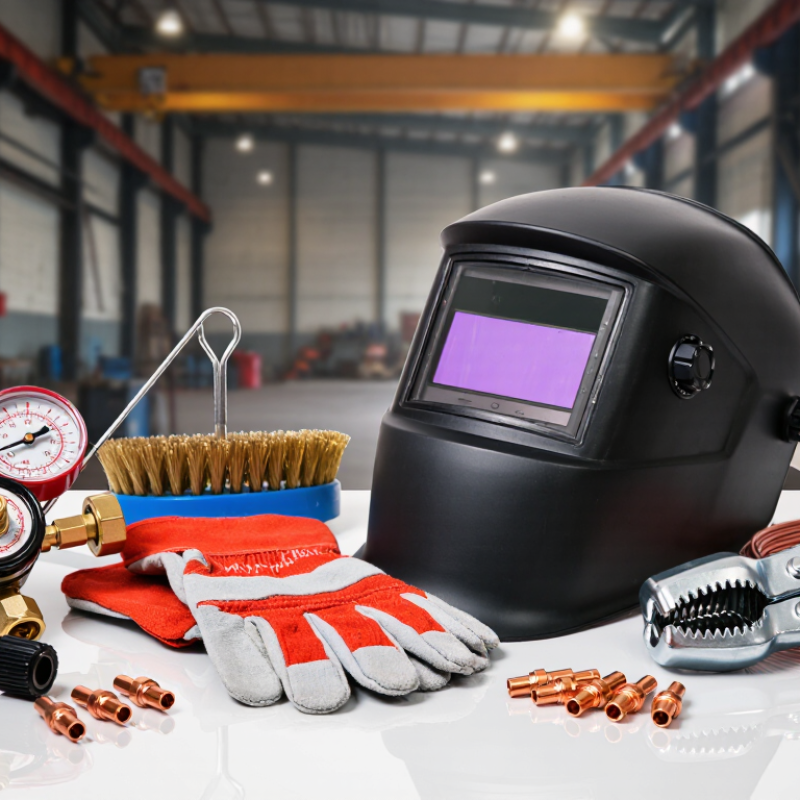
Choosing the right Welding Accessories can determine whether a project runs smoothly or quietly loses money. A reliable helmet, contact tip, welding glove, clamp, wire brush, and gas regulator all influence safety, consistency, and productivity. These items may look small, but a worn liner can cause wire feeding problems within minutes. A poor ground clamp can produce unstable arcs and frustrating rework.
Larry Jeffus, a respected welding educator and author, explains, “Welding is a process of joining materials by applying heat, pressure, or both.” His point matters to global buyers because accessories support every part of that process. They help control the arc, protect the operator, and maintain repeatable weld quality across different workshops. However, no accessory can rescue unsuitable equipment, weak maintenance, or unclear specifications.
This guide examines ten practical Welding Accessories for international purchasing teams. It considers compatibility, material quality, service life, packaging, and supplier reliability. Some products offer impressive prices but fail under daily production. Others cost more and reduce replacement delays. The cheapest option is rarely the safest choice.
There is no perfect buying list. Welding methods, climate, voltage, operator skill, and local availability change the decision. Even experienced buyers can overlook thread sizes or consumable tolerances. That deserves attention. A careful comparison, supported by technical datasheets and sample testing, creates a stronger purchasing decision. The goal is simple: fewer interruptions, safer workstations, and dependable welds across global operations.
Global Selection Criteria: AWS Z49.1, ISO 3834 and Regional Compliance Data
What Are the Top 10 Welding Accessories for Global Buyers?
Global selection should begin with risk, not appearance. The ten essential accessories are a welding helmet, safety glasses, welding gloves, flame-resistant clothing, a respirator, hearing protection, welding screens, fume extraction, a grounding clamp, and a wire brush with chipping hammer. AWS Z49.1 emphasizes ventilation, protective equipment, fire prevention, and safe work practices. A dark lens alone does not prove full compliance. Check impact ratings, filter performance, heat resistance, and documented testing.
ISO 3834 adds a quality-control perspective. Buyers should verify accessory traceability, equipment maintenance, inspection records, and suitability for the welding procedure. This matters when accessories influence cleanliness, grounding stability, or operator visibility. The ILO and WHO estimated 2.93 million work-related deaths globally in 2019. Welding fumes also received a Group 1 carcinogenic classification from the IARC Monographs. These figures make extraction and respiratory protection practical priorities, not optional upgrades.
Regional rules still differ. United States projects should review OSHA requirements, including 29 CFR 1910.252. European buyers should check PPE Regulation (EU) 2016/425 and applicable harmonized standards. Canadian purchasing teams often reference CSA W117.2 for welding safety. Documentation can be incomplete. That is the uncomfortable part. A supplier may provide a certificate, but not explain its scope or expiry. I would request declarations, test reports, user instructions, and batch details before approval. Then test the accessories beside the actual welding cell, where glare, smoke, heat, and cable movement reveal weaknesses.
Four PPE Essentials: Helmets, Gloves, Jackets and Respirators Under EN Standards
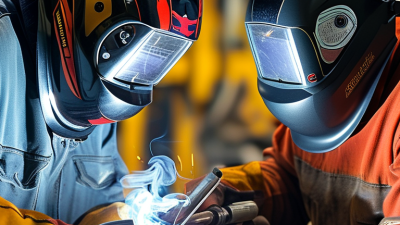
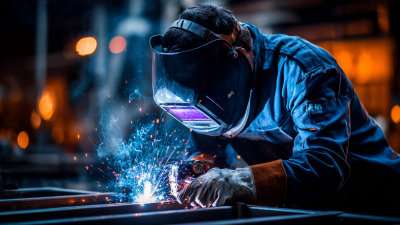
Welding helmets are the first barrier against ultraviolet radiation, infrared heat, sparks, and flying particles. Choose a model with a suitable filter shade under EN 379 and a shell assessed under EN 175. The viewing area matters. A narrow lens can make joint alignment difficult, especially inside tanks or beneath pipework. Check the lens for cracks, clean the cover regularly, and replace damaged parts immediately. Auto-darkening is convenient, but it still needs testing before work begins.
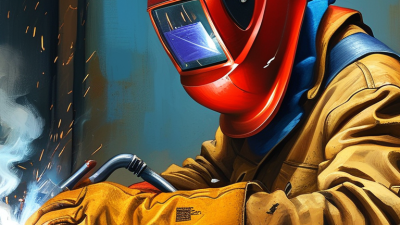
Welding gloves should meet EN 12477 and fit the actual process. Heavy leather protects against heat and sharp edges, while flexible fingers improve torch control. Gloves that are too loose may catch on fixtures. Too tight, and they reduce dexterity. Welding jackets should meet EN ISO 11611, with covered seams and secure cuffs. Cotton clothing alone is not enough. Sparks can enter through open collars and exposed wrists. I have seen small burn marks become larger problems when operators ignored them.
Respirators require more careful selection than many buyers expect. EN 149 covers filtering half masks, while EN 143 and EN 14387 apply to certain particulate and gas filters. The filter must match the hazard, such as metal fumes or shielding-gas by-products. Fit testing is essential. Facial hair can break the seal. A respirator may look correct but protect poorly. Buyers should review risk assessments, conformity markings, user instructions, and replacement schedules before purchasing. Standards help, but careless maintenance still weakens protection.
Top 10 Welding Accessories for Global Buyers
The chart focuses on four essential PPE categories and shows the number of core EN or EN ISO standards commonly referenced for product selection. A higher reference count does not indicate higher product quality; buyers should verify the applicable standard, certification scope, risk assessment and conformity documentation for each product.
1. Welding helmet: EN 175, EN 379
2. Welding gloves: EN 12477, EN 388, EN 407
3. Welding jacket: EN ISO 11611, EN ISO 11612
4. Respirator: EN 149, EN 140, EN 143, EN 14387, EN 136
5. Welding sleeves: EN ISO 11611, EN ISO 11612
6. Welding apron: EN ISO 11611, EN ISO 11612
7. Welding trousers: EN ISO 11611, EN ISO 11612
8. Safety footwear: EN ISO 20345, EN ISO 20349
9. Hearing protection: EN 352-1, EN 352-2, EN 352-3
10. Powered air respirator: EN 12941
Three Gas and Finishing Accessories: Regulators, Flashback Arrestors and Anti-Spatter
For global welding buyers, gas accessories deserve more attention than their small size suggests. A regulator controls cylinder pressure and delivers stable working pressure to the torch. Choose one matching the gas type, inlet connection, pressure range, and flow demand. A gauge should remain readable beside a welding table, even under poor lighting. Check threads carefully. Mismatched fittings can cause leaks, unstable arcs, and wasted gas.
A flashback arrestor adds a critical barrier against flame travel and reverse gas flow. It should match the fuel gas, operating pressure, connection direction, and required flow. Install it where the equipment instructions specify, not wherever space is convenient. During maintenance, inspect for blockage, heat damage, or an activated safety element. Do not ignore hissing. A small sound may indicate a serious connection problem.
Anti-spatter products protect nozzles, fixtures, and nearby surfaces from sticky weld droplets. Use a light, even coating; excess liquid can contaminate the weld or collect dust. Keep it away from surfaces requiring clean electrical contact. Buyers should request safety data, temperature limits, and material compatibility before shipment. That paperwork supports safer purchasing across regions. A common shop-floor mistake is trusting appearance alone. A clean nozzle may still hide poor gas flow or a blocked tip. Inspect actual welds, not just packaging.
Compare the Top 10 by ISO 5175-1, EN 12477 and Total Cost of Ownership
For global buyers, the top ten welding accessories should be compared by compliance and lifetime cost, not price alone. The group includes regulators, flashback arrestors, non-return valves, gas hoses, torches, contact tips, welding gloves, helmets, curtains, and fume-extraction arms. ISO 5175-1 is central for gas safety devices, especially regulators, arrestors, valves, and torch assemblies. EN 12477 applies specifically to protective gloves for welders, not helmets or hoses. That distinction matters. Safety is not decoration.
The International Labour Organization’s 2023 estimates recorded 2.93 million work-related deaths globally in 2019, with many linked to hazardous exposures and unsafe conditions.
The U.S. Bureau of Labor Statistics recorded 5,283 fatal occupational injuries in 2023. These figures strengthen the case for verified accessories, documented inspections, and trained users.
However, certification alone does not prove value. Total cost of ownership should include purchase price, spare tips, gas leakage, calibration, cleaning, testing, replacement intervals, downtime, and disposal. A low-cost hose may crack early, while an uncertified arrestor can create expensive production interruptions. Cheap parts can cost more.
Experienced procurement teams usually rank regulators and arrestors highest for risk control, then assess gloves, helmets, extraction, hoses, torches, tips, valves, and curtains by use intensity. Fit matters. Buyers should request conformity records, material data, service history, and test intervals.
ISO 5175-1 and EN 12477 are useful filters, but they do not replace local workplace requirements. One weakness remains: TCO estimates often rely on supplier assumptions. Real workshop data should challenge them.