How to Effectively Track Welding Lathe Performance?
Welding lathe performance is crucial in the manufacturing industry. As competition grows, firms must optimize their equipment. A recent report from the American Welding Society states that effective tracking can boost productivity by up to 30%. Yet, many manufacturers still overlook the importance of proper monitoring.
To track welding lathe performance effectively, companies need to collect and analyze specific data. Metrics such as cycle time, defect rates, and energy consumption play a significant role. However, incorporating advanced tracking technologies can be a challenge. Many businesses struggle with implementation. The benefits, however, are undeniable.
Tracking welding lathe performance can lead to significant improvements. It enhances quality, reduces waste, and increases uptime. Companies must commit to creating a culture of continuous improvement. Without effective tracking, organizations risk falling behind in this fast-paced industry. Investing in the right tools to track welding lathe performance is essential for future success.
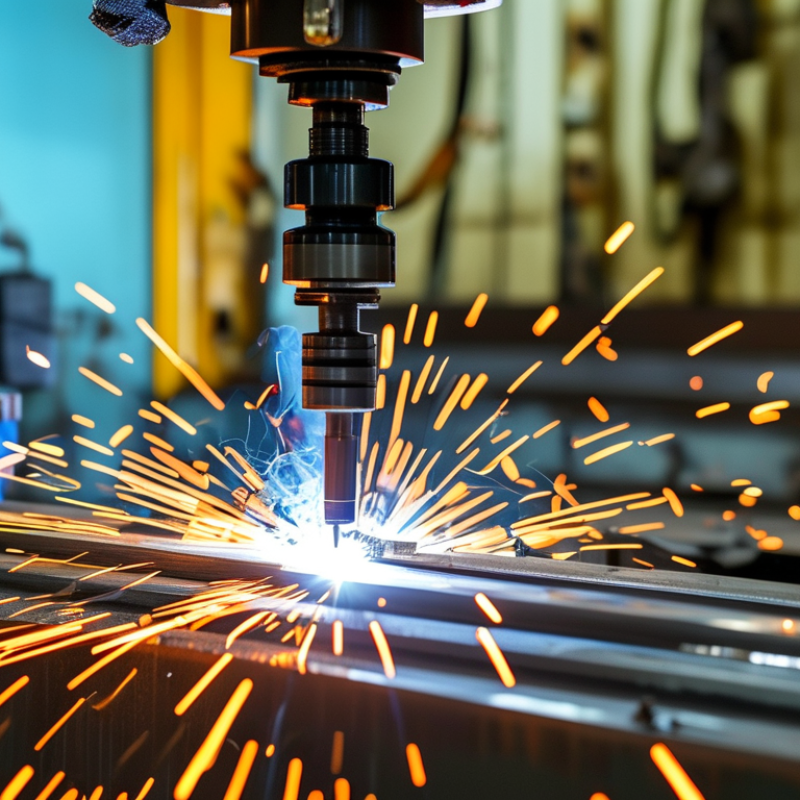
Understanding the Importance of Welding Lathe Performance Tracking
Tracking welding lathe performance is crucial for optimizing production efficiency. Regular monitoring can reveal critical insights, such as cycle times and material usage. According to industry reports, companies that actively track performance can improve productivity by up to 30%. This highlights the importance of a robust performance tracking system in reducing waste and enhancing output quality.
Attention to detail is vital for effective performance tracking. Accurate data collection helps identify trends over time. For instance, analyzing the number of defects per batch may point to the need for adjustments in technique or equipment. Implementing regular maintenance schedules based on performance data can lead to a 15% reduction in downtime. Record-keeping allows teams to spot patterns and adjust processes accordingly.
Consider incorporating visual aids in your tracking process. Graphs and dashboards can simplify complex data analysis. Sharing insights with the team fosters a culture of continuous improvement. Without real-time data, making informed decisions is challenging. Aim for regular training sessions to ensure that everyone understands the data’s implications. Ultimately, a well-informed team can drive enhancements in overall performance.
Welding Lathe Performance Tracking
Key Metrics for Measuring Welding Lathe Efficiency
In the welding industry, tracking lathe performance is crucial for optimizing productivity and ensuring quality. Key metrics such as cycle time, material utilization, and downtime are essential for measuring lathe efficiency. According to a report from the American Welding Society, an efficient lathe can improve production rates by up to 25%. This highlights the importance of monitoring these metrics closely.
Cycle time refers to the time taken to complete one full operation. Shortening this time can significantly enhance throughput. Reports suggest that reducing cycle time by even 10% can lead to substantial cost savings over time. Material utilization is another vital metric. Utilizing raw materials effectively can reduce waste, saving both money and resources. Industry standards indicate that optimizing material usage might save companies up to 15% annually.
Downtime, on the other hand, is often an overlooked aspect of lathe performance. Identifying reasons for downtime can offer insights for improvement. A study indicated that unplanned downtime can account for nearly 30% of operational hours in manufacturing. Tracking these metrics allows for informed decision-making. Regular analysis can reveal patterns that necessitate further investigation. Without a continuous review of performance metrics, companies may miss critical opportunities for optimization.
Tools and Technologies for Monitoring Welding Lathe Performance
Monitoring the performance of welding lathes is essential for optimizing operations. Various tools and technologies can provide insightful data. Industrial IoT sensors can track machine parameters in real time. These sensors monitor temperature, vibration, and speed, allowing for immediate insights into performance levels.
Data analytics platforms play a crucial role too. They help interpret vast amounts of information collected from machines. With these analytics, operators can spot trends and detect anomalies. However, understanding these complex datasets requires specialized knowledge. Not every factory has the required expertise on hand.
Visual tracking tools, such as dashboards, are also beneficial. They present data in an easily digestible format. Yet, reliance solely on visual data may lead to oversights. It's vital to develop a balanced approach, combining visual insights with thorough analysis. Establishing a culture of continuous learning within the team helps in refining these practices. Emphasizing collaboration fosters a more comprehensive understanding of the factors influencing performance.
How to Effectively Track Welding Lathe Performance? - Tools and Technologies for Monitoring Welding Lathe Performance
| Monitoring Tool |
Performance Metric |
Measurement Method |
Data Frequency |
| Digital Torque Gauge |
Torque Output |
Direct Measurement |
Every Shift |
| Temperature Sensors |
Workpiece Temperature |
Continuous Monitoring |
Real-Time |
| Vibration Analyzer |
Vibration Levels |
Vibration Analysis |
Weekly |
| Welding Current Monitor |
Current Flow |
Real-Time Monitoring |
Continuous |
| Cycle Time Tracker |
Welding Cycle Time |
Time Recording |
Hourly |
Best Practices for Analyzing Welding Lathe Data
Analyzing welding lathe data effectively is crucial for improving performance. One important practice is to establish clear metrics. These metrics should include cycle time, quality of welds, and operator efficiency. Monitoring these metrics consistently helps identify trends and areas for improvement. For instance, if a specific lathe consistently shows longer cycle times, it may indicate a need for maintenance or user retraining.
Data collection also plays a vital role. Utilizing sensors and software to gather real-time data can provide valuable insights. However, it’s crucial to ensure data accuracy. Inaccurate readings can lead to misguided decisions. Regular calibration of equipment helps mitigate this issue. Operators should be trained to understand data interpretation. Often, discrepancies in performance may not be due to equipment failure but can stem from human error or external factors.
Finally, fostering a culture of feedback is key. Operators should feel comfortable sharing their experiences. This dialogue can reveal overlooked issues or innovative solutions. Paying attention to this feedback can enhance the quality of data being collected. Overall, a thoughtful approach to data analysis can lead to significant improvements in welding lathe performance.
Common Challenges in Welding Lathe Performance Tracking and Solutions
Tracking welding lathe performance can be challenging. Many manufacturers struggle with data collection methods. Inconsistent measurement tools result in unreliable data. Operators may not be trained properly, which can lead to errors. Furthermore, fluctuating environmental conditions influence performance metrics.
Another common challenge is the analysis of collected data. Without a robust analytical framework, it is difficult to identify trends. This can hinder the optimization of operations. Moreover, the sheer volume of data can be overwhelming. Disparate data sources complicate the tracking process. This can make it hard to pinpoint specific issues.
Solutions often involve standardizing data collection processes. Implementing regular training sessions for personnel can improve accuracy. Organizations might consider using software analytics tools designed for manufacturing environments. These tools can help streamline data management. Emphasizing continuous monitoring and feedback can foster a culture of improvement. Uncovering these obstacles can ultimately lead to enhanced performance in welding lathe operations.