What Is Welding Gas Cutting and What Types Are Available?
Welding Gas Cutting is often discussed alongside welding, yet the processes do different jobs. In gas cutting, a fuel-gas flame heats steel, while a controlled oxygen jet oxidizes and removes the hot metal. The result can be a clean, visible cut line—but only when material, thickness, equipment, and operator technique suit the job. A torch may hiss steadily; the cut edge still tells the real story.
The scale of metalwork is substantial. The World Steel Association reported 1,882.6 million tonnes of crude steel production worldwide in 2024. That figure does not measure gas cutting specifically, but it helps explain why practical cutting methods matter across fabrication, repair, and construction. OSHA’s welding, cutting, and brazing guidance also highlights hazards such as fire, fumes, and oxygen-related risks. Safe preparation is part of the process, not an optional extra.
This guide explains what gas cutting is and compares common types, including oxy-acetylene, oxy-propane, and oxy-natural-gas systems. Each has trade-offs in flame characteristics, portability, fuel availability, and suitability for particular work. Oxy-acetylene is widely recognized, while other fuel gases may be preferred for heating or cutting tasks under specific conditions. The distinctions can seem small on paper. They are not always small at the workbench.
No single setup is best for every shop. Material condition, cut quality, operating cost, and safety controls all affect the choice. The discussion draws on industry and safety references, but local equipment manuals and qualified training remain essential. A useful comparison starts with the job itself, not the torch label.
What Is Welding Gas Cutting?
Welding gas cutting is a thermal process that uses a fuel gas flame and oxygen. The flame preheats steel, while a high-pressure oxygen jet oxidizes and removes the heated metal. It is different from gas welding, which melts edges and adds filler metal to form a joint.
Common systems include oxy-acetylene, oxy-propane, oxy-natural gas, and oxy-hydrogen cutting. Oxy-acetylene produces a concentrated flame and suits repair work, thin plate, and controlled heating. Propane and natural gas usually offer lower fuel costs, but they need suitable tips and longer preheating. Hydrogen can create a clean, hot flame, although equipment selection becomes more demanding. The flame looks simple. The judgment is not.
ISO 9013:2017 classifies thermal-cut edges into five quality ranges, considering angular deviation, surface roughness, and dimensional tolerance. This matters when a cut edge will receive welding or machining. Poor nozzle height, unstable pressure, or a dirty tip can leave slag and uneven kerfs. OSHA’s 29 CFR 1910.253 also requires oxygen and fuel-gas cylinders to be separated by at least 20 feet, unless a compliant fire-resistant barrier is used. Operators often focus on speed, yet cutting quality depends more on gas balance, travel rate, and inspection discipline. A small setup mistake can become a visible defect.
How Does the Gas-Cutting Process Work?
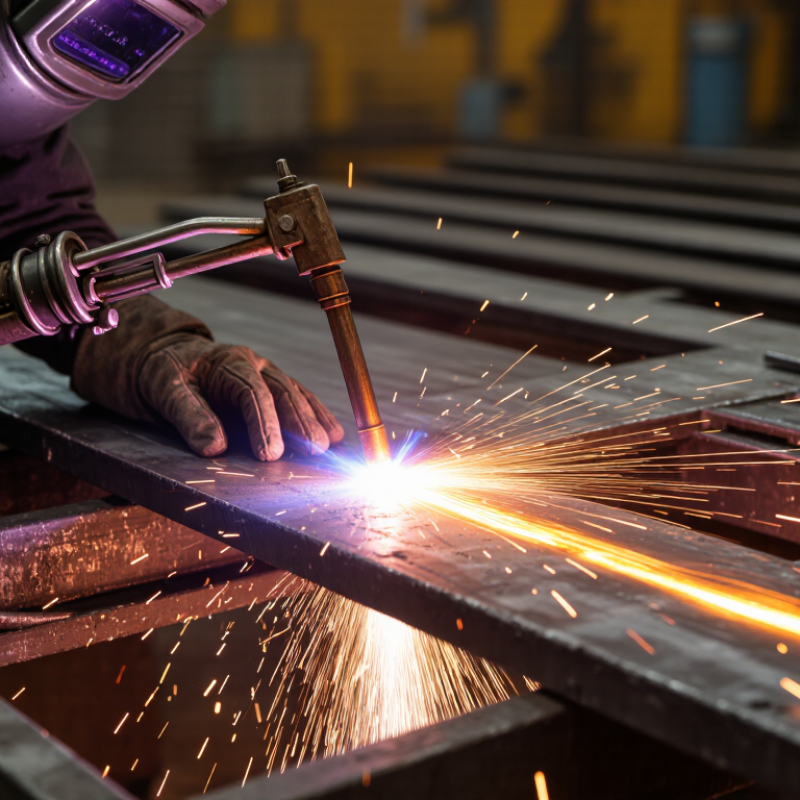
Gas cutting uses a fuel gas flame to heat metal, then a focused oxygen stream to cut through it. The torch does not simply melt the whole plate. It brings the surface to ignition temperature, and the oxygen reacts with the hot iron, producing oxide and extra heat.
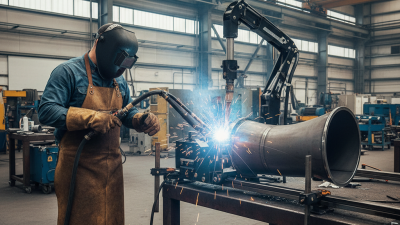
The operator holds the torch at a steady angle and preheats a small spot until it glows bright red. Then the cutting oxygen lever opens. A narrow jet travels along the marked line, while molten oxide and slag are blown through the kerf. Keep moving evenly. Too fast, and the cut may not pass through; too slowly, and the edge can become rough or overly wide. The sound and spark pattern offer clues, but they take practice to read.
Good preparation matters. Remove loose scale where practical, secure the workpiece, and check hoses, connections, and torch condition before lighting. Use suitable eye and skin protection, and keep flammable materials away from sparks. Gas cutting works best on carbon and low-alloy steels; metals such as aluminum do not cut this way reliably because their oxides behave differently. Even an experienced operator can leave a ragged edge. Inspect the cut, and refine the setup rather than assuming the first pass is perfect.
Which Gases and Equipment Are Used?
In oxy-fuel cutting, oxygen and a fuel gas do different jobs. Oxygen reacts with heated steel and helps carry away the molten metal; the fuel flame brings the workpiece to ignition temperature. Acetylene is common when a concentrated, hot flame is needed. Propane and propylene are also used, often with compatible cutting tips and preheating arrangements. They behave differently, so a torch setup should follow the equipment maker’s specifications rather than a guessed substitution.
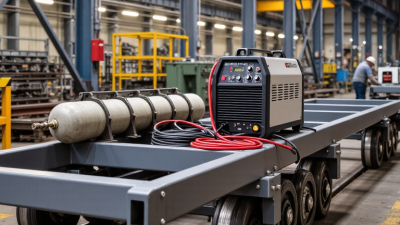
The basic equipment includes fuel and oxygen cylinders, pressure regulators, rated hoses, a torch with a cutting attachment, and the correct nozzle. Regulators control delivery pressure, while the torch mixes gases for preheating and directs a separate oxygen jet through the cut. Flashback arrestors help limit flame travel into hoses or regulators; they do not replace sound operating practice. Check connections for leaks using an approved solution, keep cylinders secured upright, and use eye protection, gloves, and flame-resistant clothing. Ventilation matters, too. A setup can appear straightforward, yet a wrong tip or poor gas setting can produce an uneven cut, excess slag, or a hazardous flame. That detail is easy to underestimate.
What Is Oxy-Fuel Gas Cutting?
Oxy-fuel cutting uses a fuel-gas flame to preheat steel, then a jet of oxygen to oxidize and remove the hot metal. The chart compares approximate maximum flame temperatures; actual results vary with gas mixture and operating conditions.
Common equipment: fuel-gas and oxygen cylinders or supply lines, pressure regulators, hoses, a cutting torch with the correct tip, and flashback arrestors. Acetylene and propane are common fuel gases; oxygen supports preheating and provides the cutting jet. Use equipment rated for the selected gas.
What Are the Main Types of Gas Cutting?
Gas cutting uses a fuel gas and oxygen to heat and oxidize metal, then blow away the molten material. The main types are often named for their fuel: oxy-acetylene, oxy-propane, and oxy-natural-gas cutting. Oxy-acetylene produces a concentrated, hot flame and is widely used for manual work. Propane and natural gas can be economical choices, though their flame characteristics and preheating behavior differ.
These methods are most effective on carbon steel, where oxygen reacts with the heated metal. They are generally unsuitable for cutting aluminum or stainless steel cleanly. Gas cutting can also be performed by hand or with mechanized equipment, such as a guided torch on a track. On real jobs, plate thickness, edge quality, and torch setup all matter. A rushed setup may leave a rough, angled edge; the operator may need to adjust speed and flame. Small details matter.
Tips: Keep the torch moving steadily and maintain the recommended nozzle distance. Check hoses and connections for damage before use, and work with suitable ventilation and protective equipment. If the cut wanders, pause and inspect the tip rather than simply increasing the gas flow.
What Is Welding Gas Cutting and What Types Are Available? - What Are the Main Types of Gas Cutting?
| Cutting type |
How it works |
Typical materials |
Common applications |
Key considerations |
| Oxy-acetylene cutting |
A fuel-gas flame preheats the steel; a jet of oxygen oxidizes the heated metal and blows the oxides from the cut. |
Primarily carbon and low-alloy steels that oxidize readily in oxygen. |
Shop work, repair, fabrication, and cutting steel plate or sections. |
Versatile and portable; requires careful control of flame, oxygen pressure, nozzle, and travel speed. Not generally suitable for aluminum or stainless steel by the standard oxidation process. |
| Oxy-propane cutting |
Propane preheats the workpiece, while a separate oxygen cutting jet carries out the oxidation and removes slag. |
Mainly carbon and low-alloy steels. |
Steel plate cutting, dismantling, and outdoor or general fabrication work. |
Propane is commonly available and can be economical; preheating and piercing behavior differ from acetylene, so suitable cutting tips and settings are needed. |
| Oxy-natural-gas cutting |
Natural gas provides the preheat flame, and an oxygen jet oxidizes and ejects the steel from the kerf. |
Primarily carbon and low-alloy steels. |
Industrial cutting operations where a reliable natural-gas supply and compatible equipment are available. |
Often used with fixed or mechanized equipment; gas supply, pressure, tip design, and ventilation must match the process. |
| Oxy-hydrogen cutting |
Hydrogen and oxygen form a preheat flame; a cutting-oxygen stream performs the oxidation cut. |
Materials and thicknesses depend on the torch system; steel is cut by the same oxygen-oxidation principle. |
Specialized applications where hydrogen-based heating equipment is appropriate. |
Hydrogen requires purpose-designed equipment and strict leak, ventilation, and ignition controls; it is less common for general steel cutting. |
| Manual oxy-fuel cutting |
An operator guides a hand torch along the cutting path and controls the preheat and cutting-oxygen jet. |
Mostly carbon and low-alloy steel, subject to equipment capacity and material condition. |
Repairs, short cuts, demolition, and work on large or irregular steel parts. |
Flexible and portable, but cut quality depends heavily on operator skill and consistent torch movement. |
| Mechanized oxy-fuel cutting |
A powered carriage or cutting machine moves one or more torches at a controlled speed, often following a programmed or guided path. |
Steel plate and sections within the machine's design and process limits. |
Repeated straight, beveled, or shaped cuts in fabrication and production. |
Can improve repeatability and productivity; setup, material support, torch alignment, and process settings remain important. |
Note: Oxy-fuel cutting is a thermal cutting process, not a welding process. It works especially well on steels that form oxides with a lower melting point than the base metal; alloy composition, surface condition, thickness, and equipment affect results.
Where Is Gas Cutting Used, and What Are Its Limitations?
Gas cutting uses a fuel gas and oxygen flame to heat steel until it reaches ignition temperature. A controlled oxygen jet then removes the molten metal. Common systems use acetylene, propane, or natural gas as fuel. Each option offers different flame temperatures, cutting speeds, and operating costs. The correct choice depends on material thickness, site conditions, and available equipment.
Gas cutting is widely used for carbon-steel plates, structural repairs, demolition work, and preparing scrap metal. It performs well outdoors and can cut thick sections with relatively simple equipment. However, it is less suitable for stainless steel, aluminum, and other metals that form protective oxides. The heat-affected zone can also cause distortion, discoloration, or changes in material properties. Narrow cuts may become rough, especially when gas pressure, nozzle distance, or travel speed is poorly controlled. The process is useful, but not universally precise.
Tips: Clean the steel before cutting. Keep the torch at the correct angle and distance. Check hoses, regulators, and flashback protection before every job. Secure the workpiece firmly, and remove nearby flammable materials. Experienced operators watch the slag stream, not just the flame. A smooth stream usually indicates stable cutting. Still, visual judgment can fail in bright sunlight, so inspection and measurement remain necessary. Small errors matter.