Top Auto Cutting Machines for Global Buyers 2026?
As the demand for precision and efficiency grows, the Auto Cutting Machine industry is evolving rapidly. In 2026, global buyers are seeking advanced options that enhance productivity while ensuring quality. These machines automate the cutting process, providing consistent results across various materials. However, navigating this market can be challenging, as each machine offers unique features and capabilities.
Buyers must consider key factors when selecting an Auto Cutting Machine. These include compatibility with their operational needs, ease of use, and maintenance requirements. Furthermore, understanding the latest technological innovations is crucial. The market is filled with options, but not all machines are created equal. Some may underperform or require excessive maintenance, highlighting the importance of informed decisions.
In this dynamic landscape, the right Auto Cutting Machine can significantly impact a business's profitability. Yet, with numerous choices available, buyers may face uncertainty. This guide aspires to clarify essential features and trends that will shape the Auto Cutting Machine market in 2026. Emphasizing reliability and expert insights, we aim to help buyers make the best choices suited to their needs.
Top Trends in Auto Cutting Machines for 2026
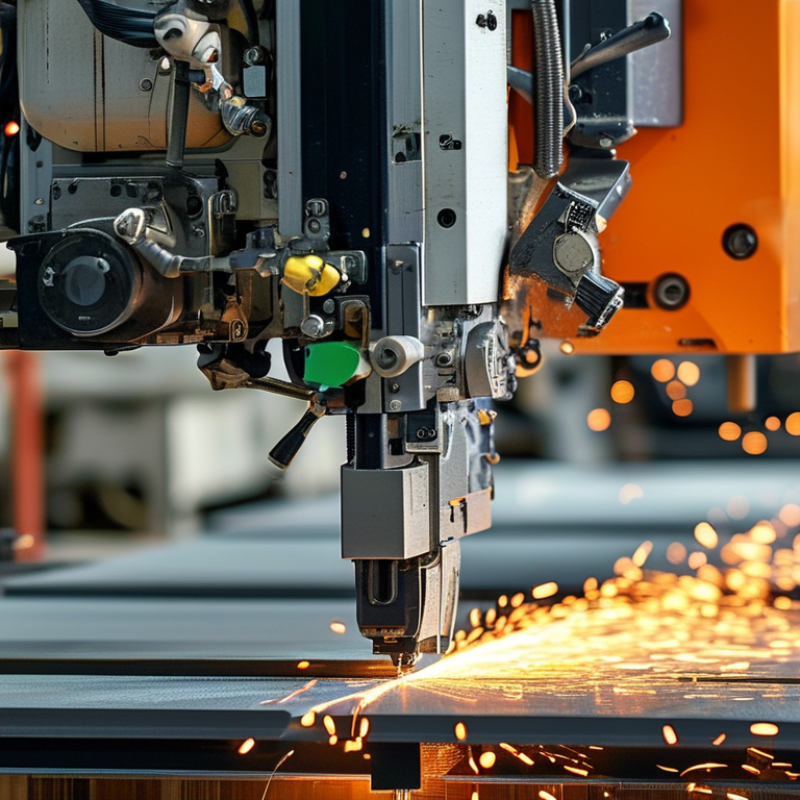
As we approach 2026, the auto cutting machine industry is evolving rapidly. Automated cutting technologies are becoming more sophisticated, driven by trends in sustainability and efficiency. Buyers are increasingly looking for machines that reduce waste, enhance precision, and support eco-friendly materials.
New features, such as AI integration and IoT connectivity, are gaining traction. These advanced capabilities allow machines to adapt to different materials and production rates, improving overall workflow. Despite these advancements, manufacturers face challenges in ensuring reliability. Not all machines can maintain quality under varied conditions.
**Tips:** When selecting an auto cutting machine, assess your specific needs. Look for systems that offer customization but ensure they perform consistently. Regular maintenance is crucial for optimal performance. Balancing innovation with reliability can be tricky. Remain open to feedback and adapt your processes as necessary.
Key Features of Leading Auto Cutting Machines
The market for auto cutting machines is evolving rapidly. Understanding key features can help buyers make informed decisions. One notable feature is precision cutting. Machines with advanced technology can achieve high accuracy. This minimizes material waste and enhances production efficiency.
Another important aspect is automation capabilities. Machines that integrate AI can adjust cutting patterns based on material properties. This leads to better outcomes. Buyers should also consider the machine's user interface. A simple, intuitive design is essential for operator efficiency.
Tips to enhance your selection process: Analyze your specific needs. Consider the types of materials you will cut. Research potential output speeds before committing. Ensuring ease of maintenance can also influence long-term satisfaction. Finding the right balance between cost and features is crucial. Mistakes happen, and learning from them is vital. Remember, the best auto cutting machine for you depends on your unique requirements.
Top Auto Cutting Machines for Global Buyers 2026 - Key Features of Leading Auto Cutting Machines
| Model |
Cutting Size |
Material Compatibility |
Cutting Speed (m/min) |
Precision (mm) |
Control System |
| Model A |
3000 x 2000 mm |
Fabric, Leather, PVC |
15 |
0.1 |
Touch Screen |
| Model B |
2500 x 1500 mm |
Cardboard, Foam, Fabric |
12 |
0.2 |
PC Software |
| Model C |
2000 x 1000 mm |
Acrylic, Fabric, Wood |
10 |
0.3 |
Remote Control |
| Model D |
3500 x 2500 mm |
Textiles, Leather, Rubber |
20 |
0.08 |
Computerized |
Comparative Analysis of Global Brands in Auto Cutting Technology
The evolution of auto cutting technology has transformed various industries. When we analyze global brands, each shows unique strengths and weaknesses. Some excel in speed and efficiency, while others focus on precision and versatility. The choice often depends on specific requirements.
User experiences reveal mixed feelings about brand reliability. Many consumers value consistent performance over flashy features. However, some machines may falter under heavy usage. This inconsistency can pose challenges for buyers relying on optimal functionality.
Comparative analyses suggest inconsistency in user support across brands. Swift assistance can significantly enhance the user experience. However, many users report delays that can lead to production setbacks. Not all machines are built the same, and many buyers must reflect on their long-term needs.
Cost-Effectiveness and ROI of Auto Cutting Machines
The cost-effectiveness of auto cutting machines is a key factor for global buyers in 2026. These machines can significantly reduce labor costs. They also minimize material waste, providing a tangible return on investment (ROI). It's crucial to analyze how these machines operate. Understanding their efficiency can guide decision-making for companies.
Investing in advanced technology often requires a significant upfront cost. This might deter some buyers. However, the long-term savings are noteworthy. Many businesses have found that auto cutting machines pay for themselves within a few years. By decreasing production times, they enhance overall productivity.
Yet, not every company will benefit equally. The scale of operation plays a vital role. Small businesses might struggle to justify the expense. Additionally, regular maintenance is necessary. Neglecting this aspect may lead to reduced effectiveness. Thus, evaluating both pros and cons is essential for any potential buyer.
Future Innovations in Auto Cutting Machines for Global Markets
The future of auto cutting machines is bright, with rapid technological advancements driving innovation. In 2026, we anticipate machines that incorporate smart technology. These innovations may enhance precision and efficiency in cutting processes. Machine learning could optimize performance, adapting to material types and user preferences.
Global markets will benefit from improved automation features. New sensors may detect fabric quality and texture, allowing machines to adjust settings automatically. This could reduce waste and improve output consistency. However, the integration of such technologies can be challenging. Training for operators will become crucial to maximize machine potential.
Moreover, sustainability will play a key role in future designs. Machines that utilize eco-friendly materials and energy-efficient processes will attract global buyers. While advancements are exciting, manufacturers must consider the costs of implementation. Balancing innovation with affordability remains a critical challenge. As the landscape evolves, staying adaptable is essential for success.